
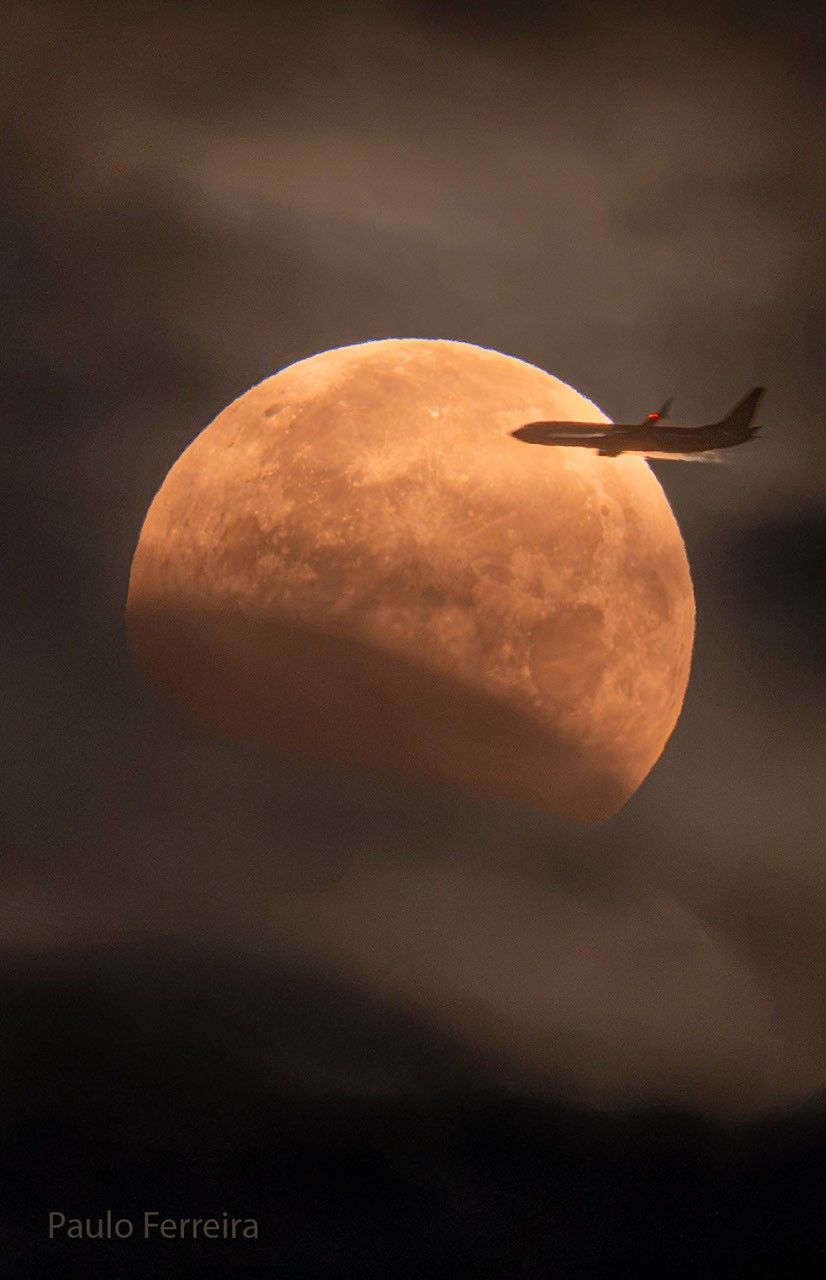
APOD: 2026 September 1 – A Plane Lunar Eclipse
APOD
Astronomy Picture of the Day
Discover the cosmos! Each day a different image or photograph of our fascinating universe is featured, along with a brief explanation written by a professional astronomer.
Explanation: Did you need to be on the right side of this airplane to see this eclipse? No. Lunar eclipses are routinely seen from the half of the Earth facing the Moon when the eclipse occurs, making them some of the most commonly witnessed astronomical events. You don't even need any special equipment to see one -- just your unaided eyes. Lunar eclipses are also some of the most photographed astronomical events because, unlike with a solar eclipse, your eyes and camera do not have to look toward the bright Sun. However, considering the featured image taken last week from Portugal, if you were on the left side of that airplane during takeoff, you might have trouble seeing it -- at first. But even then, after takeoff, since lunar eclipses typically last for hours, you might soon be able to safely cross the aisle(s) to see it.Gallery: Lunar Eclipse of 2026 AugustAPOD's main NASA site is moving: From apod.nasa.gov to science.nasa.gov/apodTomorrow's picture: cultural eclipses
Full text from nasa.gov (public domain).