
SpaceRocket
Home
Launches
ArticlesNewsEventsStatisticsModelsLinks
Home
Rocket Library500+ launch vehiclesFamily TreeBy country & familyEnginesEngine family treeCompareSide-by-side specsReuseBooster flight records
Launches
StationsISS & Tiangong trackerSatellites3D satellite mapAsteroid WatchNear-Earth objectsNASA APODPicture of the day
ArticlesNewsEventsStatisticsModelsLinks
🚀SpaceRocket

Exploring the cosmos through data. Track rockets, events, and space missions in real time.

Quick Links

  • Home
  • Rockets
  • Launches
  • Events
  • Articles
  • News
  • Statistics
  • Links

Legal

  • About Us
  • Privacy Policy
  • Terms of Service
  • Contact Us

Data Sources

Launch & event data: Launch Library 2. News: SNAPI. APOD & imagery: NASA. Background research: Wikipedia (CC BY-SA 4.0).

© 2026 SpaceRocket. All rights reserved.

Data from TheSpaceDevs, SNAPI & NASA

← Back to NewsRead Original
Lunar Occultation of Venus
NASASeptember 4, 2026

Lunar Occultation of Venus

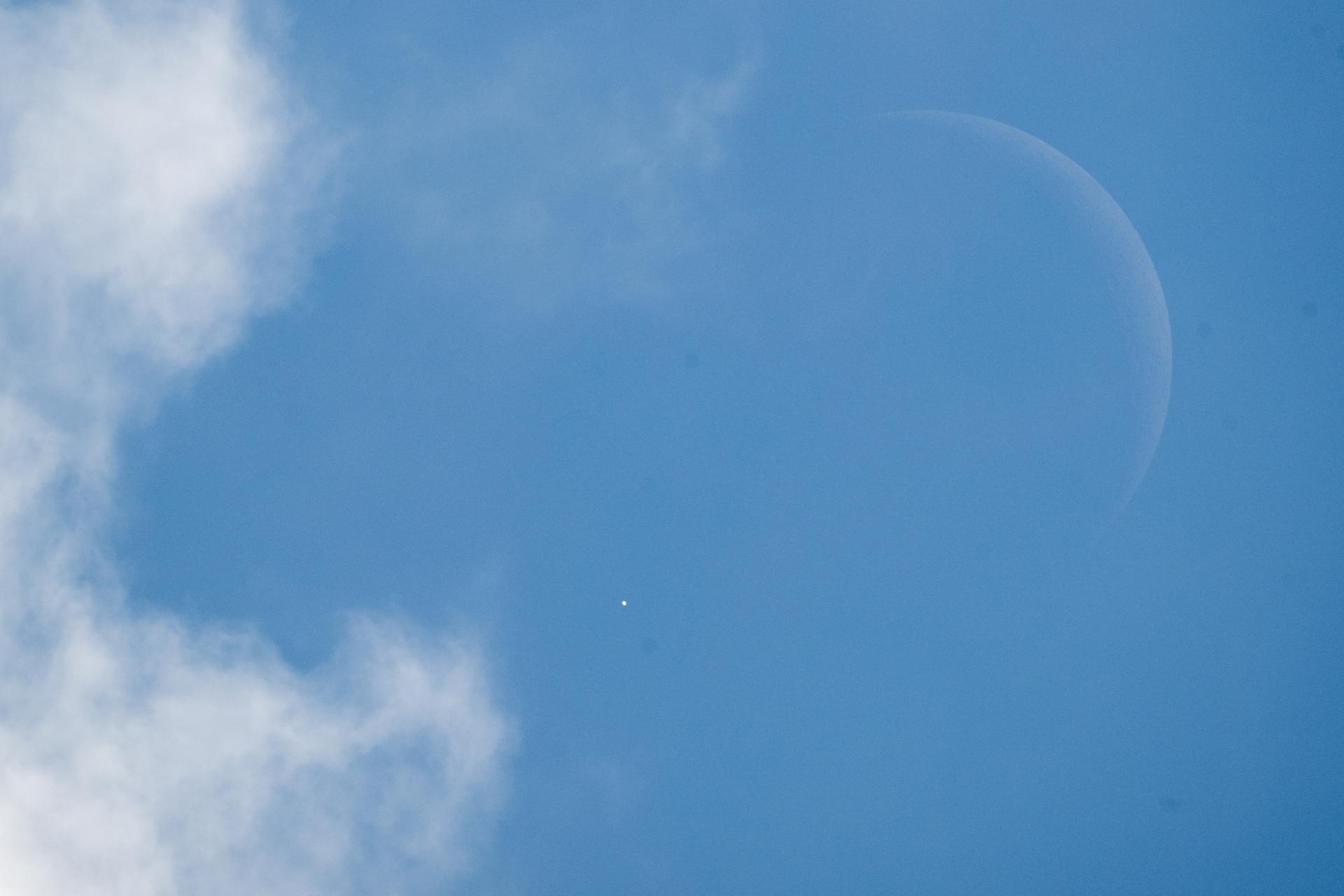
On Wednesday, June 17, skywatchers across the United States—and parts of Canada—enjoyed a rare event: a daytime lunar occultation of Venus. A lunar occultation occurs when the Moon moves directly in front of another celestial object from our viewpoint on Earth, briefly hiding it from sight.

This time, the Moon slipped in front of Venus for the first of three occultations happening this year, creating a striking daylight moment for those who caught it. If you missed it, there will be two more opportunities to see Venus disappear behind the Moon in 2026: Sept. 14, visible from parts of Asia, Africa, Europe, and western Russia; and Nov. 7, visible from southern South America.

Full text from nasa.gov (public domain).