
NASA University Challenge Ignites Trajectory of Drone Entrepreneur
Five years ago, Gavin Gardner was a Michigan State University engineering student researching next-generation drone technology as part of a NASA grant. Garder expected the research to be demanding – but he was surprised that navigating the financial side of the work presented an even greater challenge.
Although Gardner was used to leading fellow students in a lab setting, he and his team were completely new to things like creating budgets, handling large sums of money, and promoting their work for crowdfunding.
That’s why demonstrating both engineering and entrepreneurship skills are major tentpoles of NASA’s University Student Research Challenge (USRC), an initiative that provides grants to teams of college students interested in helping the agency realize its aeronautical research goals.
“Half the battle is building your product,” Gardner said recently. “The other half is selling the product in a way that everyone else can understand what you’re doing and not talking in nerdy, engineering ways.”
STEVEN HOLZ
NASA USRC Manager
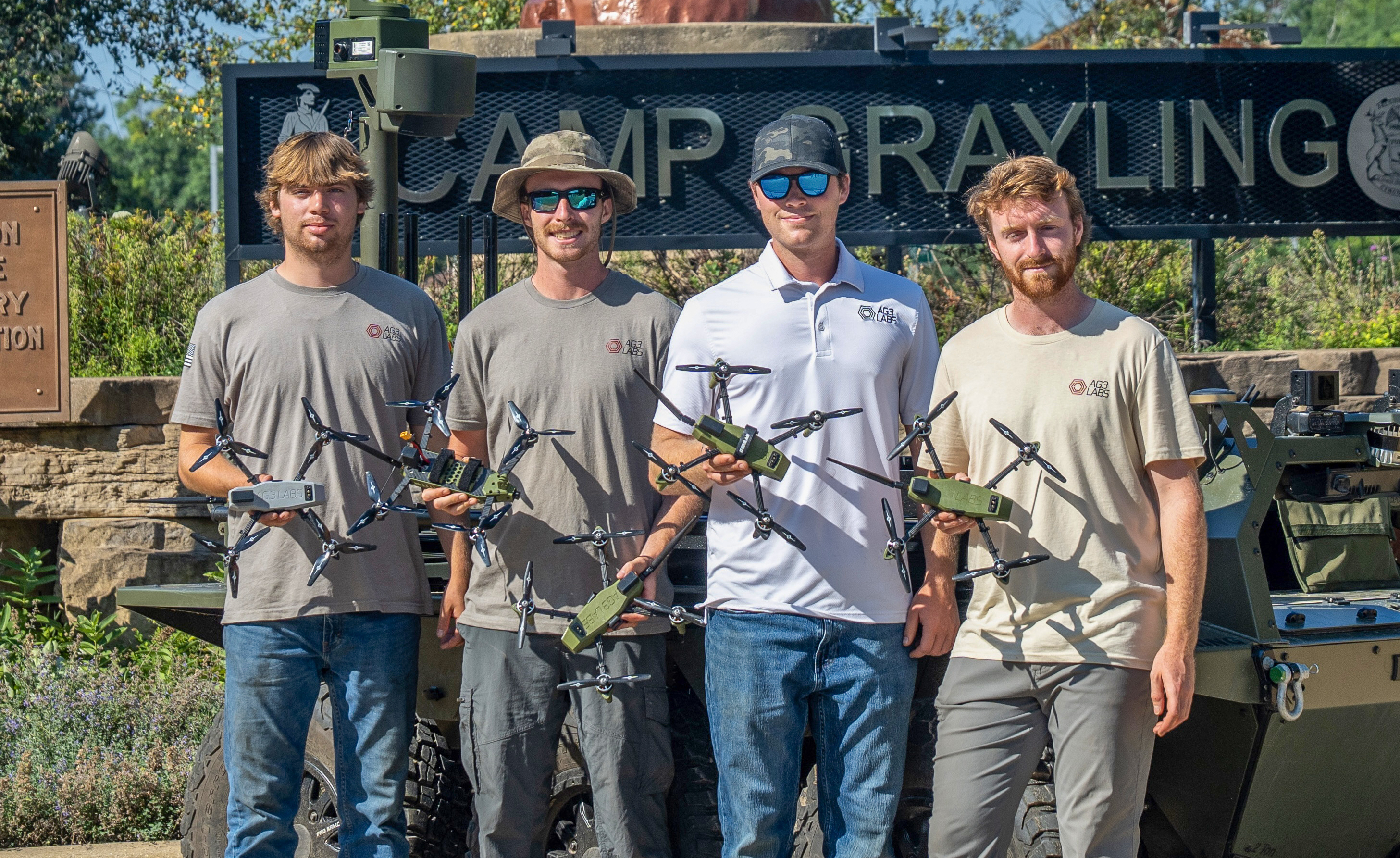
Gardner and his Michigan State USRC alumni teammates are still using those lessons today, as aerospace developers. In 2024, they founded their own company, AG3 Labs, which specializes in drones for military training exercises.
“I don’t think I would discredit our technical expertise in getting us to where we are today, but I know that USRC was a booster that really amplified our trajectory at such a young age,” Gardner said.
NASA USRC manager Steven Holz said Gardner’s experience shows what students can accomplish when they receive both a grant and guidance – enabling a future workforce and contributing to the aviation industry.
“We are proud to see the success of USRC alumni,” Holz said. “We hope that every team that participates in the program sees, like Gavin, how they can grow technically, entrepreneurially, and use the opportunity as a launchpad for their own innovative careers.”
Gardner’s path to running his own company began with a middle school age trip to Space Camp, where he began realizing that he wanted to be an engineer.
The engineering bug also bit his brother, Gryson Gardner, and the two of them would often be found in their Michigan garage tinkering with various machinery, including drones and electronic kits.
When Gardner arrived at Michigan State, he looked for extracurricular groups and found one dedicated to the increasingly popular hobby of drones. He gained hands-on, practical experience in how drones are made and operated.
In 2021, Gardner received an email from a friend who told him they had just won a USRC grant from NASA for an activity called Aerial Intra-city Delivery Electric Drones (AIDED), and they needed help building a new drone.
“We had this idea that instead of flying through the whole city, why can’t a drone just hitchhike a ride on a city bus like everyone else does?” Gardner said.
The concept was for a cargo-carrying drone to take off, dock on top of public transportation such as a bus, charge its batteries while riding along, and then take off for its final leg of the delivery. The team built and flew a full-scale drone to prove the concept but decided against pursuing a commercial venture.
“The commercial drone market kind of scared us a little bit with the large number of regulations that go into operating such a novel idea like this with flying over people in a dense city,” Gardner said.
But the team’s demonstration of technical prowess and confidence led to a second USRC award from NASA in 2023 – the Laser Energized Aerial Drone System (LEADS), which focused on using a laser to transfer power directly to a drone in flight.
While working on LEADS, which led to flying a prototype, Gardner’s network of contacts within the drone community expanded to include NASA personnel at the Glenn Research Center in Cleveland, who made him aware of internship opportunities, which he applied for and was accepted while in graduate school.
As his graduation in the spring of 2025 with a master’s degree approached, Gardner took the initial steps in late 2024 to co-found with his brother and other USRC alumni AG3 Labs after a friend suggested the military could use low-cost drones to test effective counter drone systems.
An initial award from the U.S. Army led to more contracts, allowing the company to expand and ramp up its operations, where today their production capability enables thousands of drones to be built each month.
Gardner credits his experience with USRC, especially when it came to learning more about the business side of running a technical operation, with helping create the opportunities for success he and his team are experiencing today.
Full text from nasa.gov (public domain).