
Space News
1,150 articles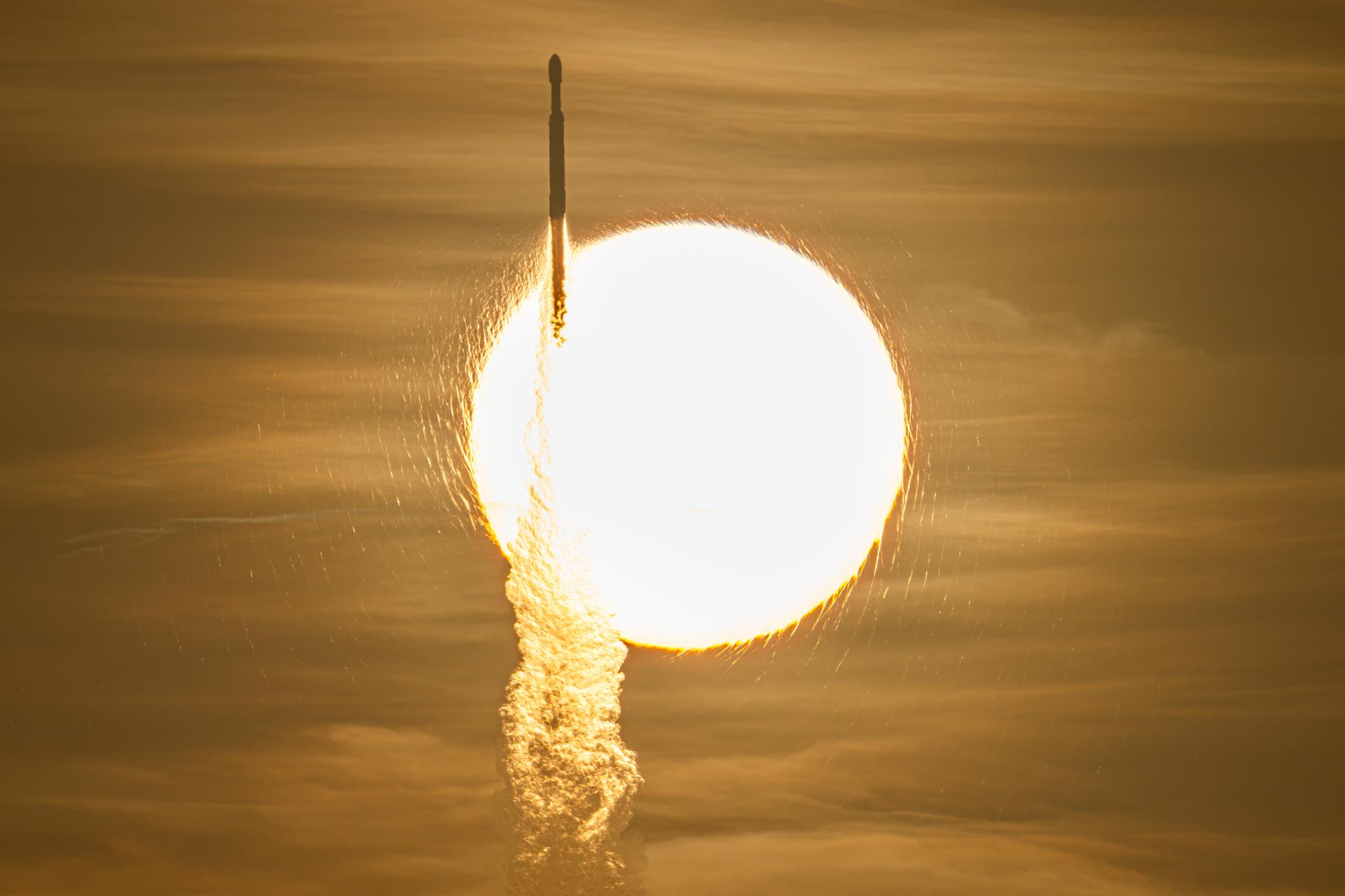
NASA’s Dark Universe-Seeking Nancy Grace Roman Space Telescope Launches
Now on a three-month, million-mile journey to its final orbit, NASA’s Nancy Grace Roman Space Telescope will soon reveal the universe’s darkest secrets. The mission launched at 7:26 a.m. EDT Sunday aboard a SpaceX Falcon Heavy rocket from Launch Complex 39A at the agency’s Kennedy Space Center in Florida. Roman pairs a large field of […]
EVA-98: suiting up!
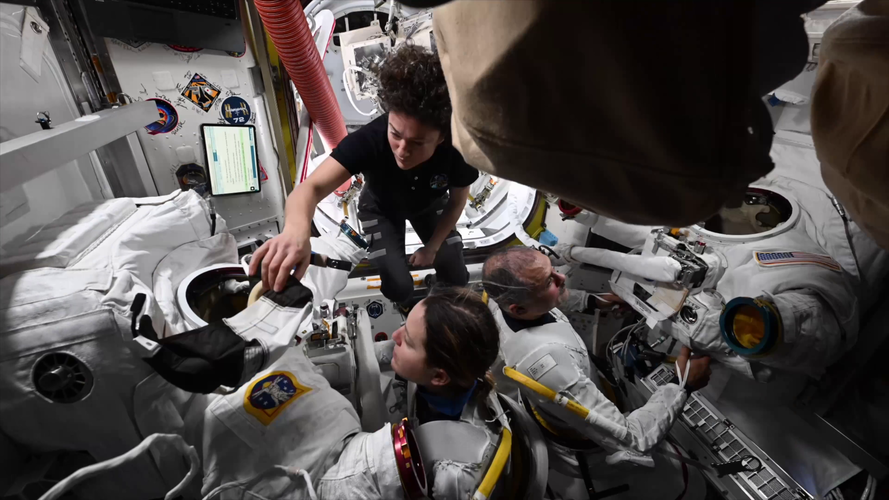
This timelapse was published by ESA astronaut Sophie Adenot on social media with the following caption:
Roman Space Telescope, NASA’s next ‘great observatory,’ poised for Sunday launch
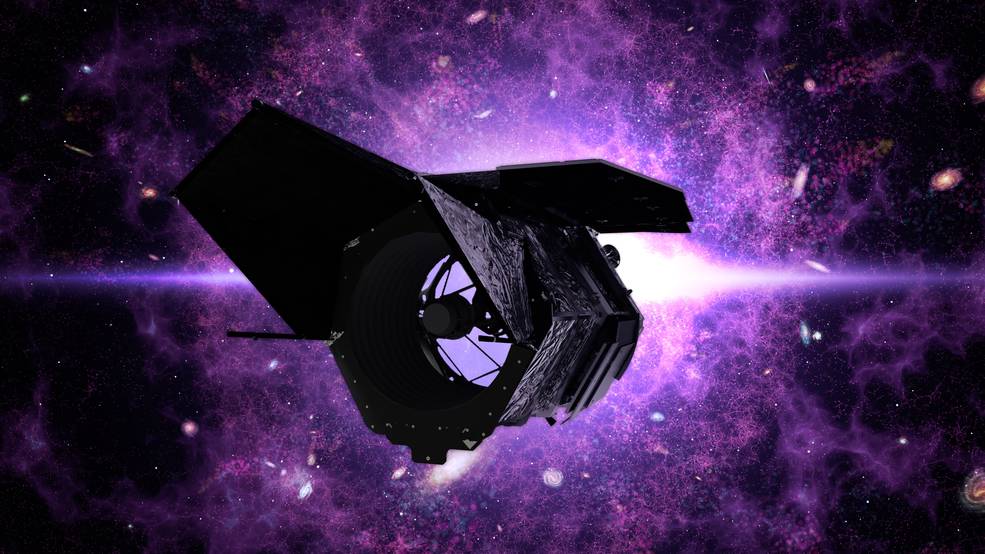
Using a donated Hubble-class mirror originally built for a spy satellite, NASA's Roman Space Telescope is poised for launch Sunday on a $4.3 billion mission to open a new window on the universe. Liftoff from the Kennedy Space Center atop a SpaceX Falcon Heavy is scheduled for 7:26 a.m. EDT (1126 UTC).
NASA, SpaceX set to launch the Nancy Grace Roman Space Telescope from Florida on Sunday
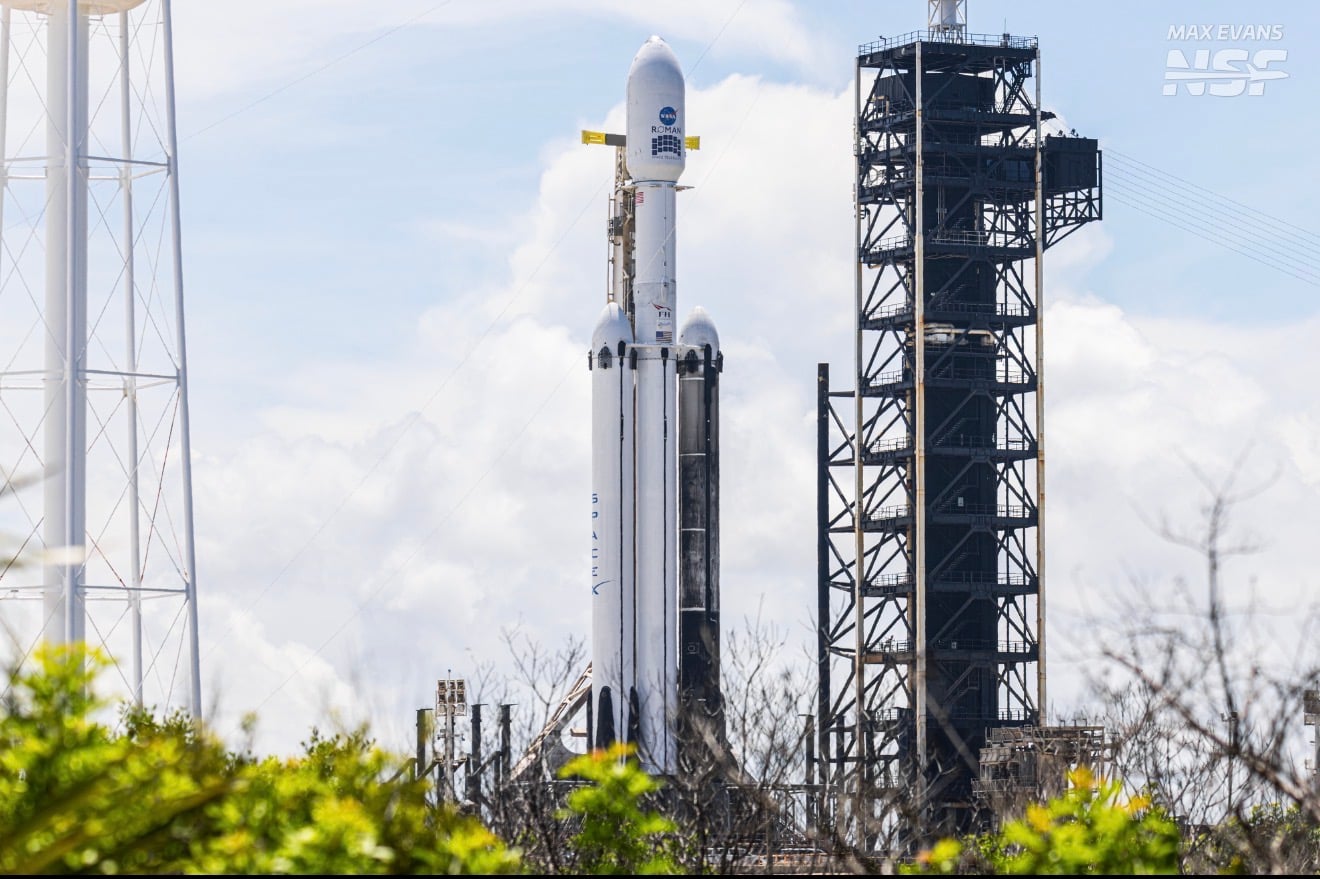
NASA and SpaceX are set for the launch of NASA’s next great space observatory —…
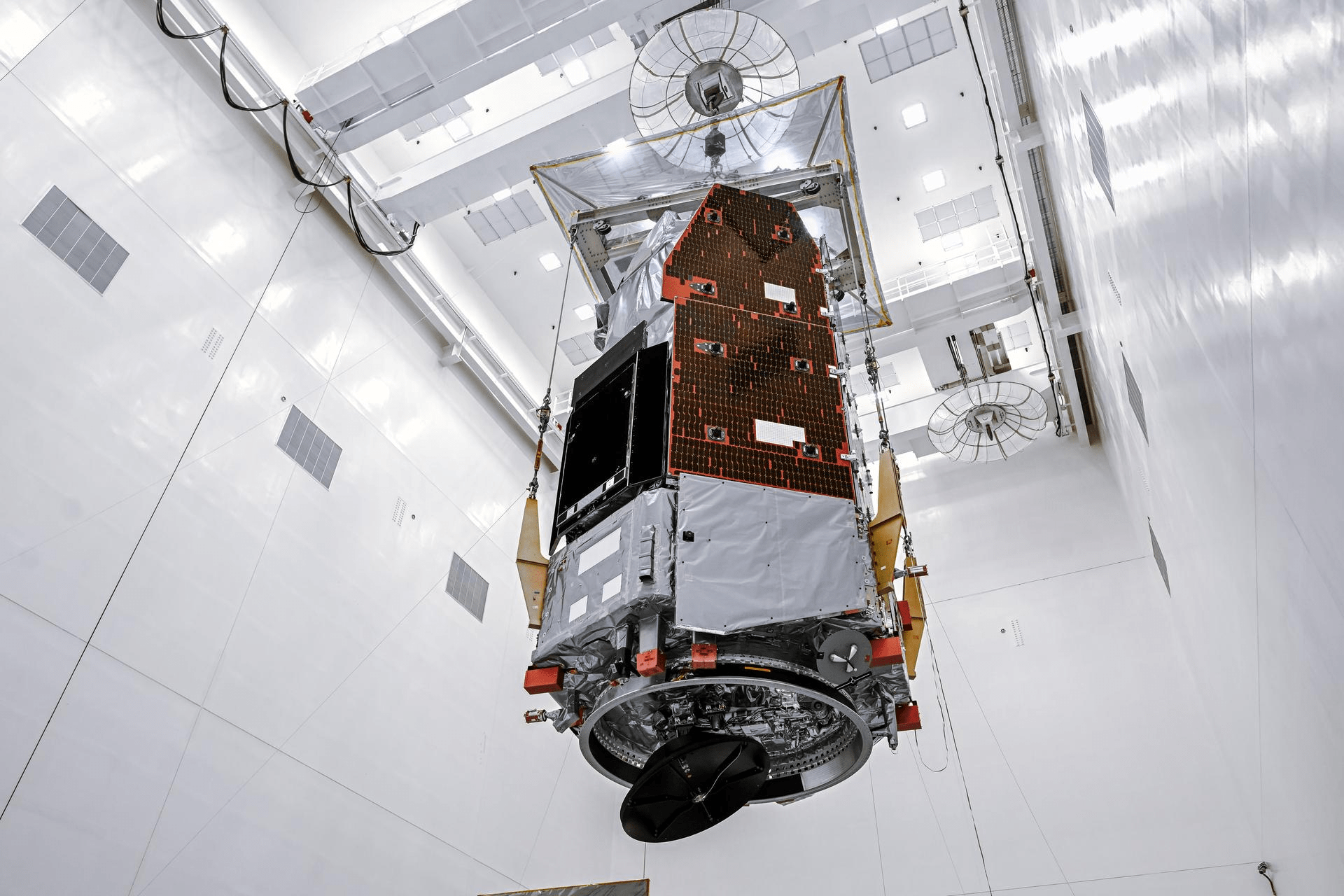
NASA’s Roman Space Telescope Go for Launch, Five Years of Discovery
NASA’s new flagship space observatory, the Nancy Grace Roman Space Telescope, is now attached to its Falcon Heavy rocket and ready to set out on its journey to uncover the secrets of the universe.
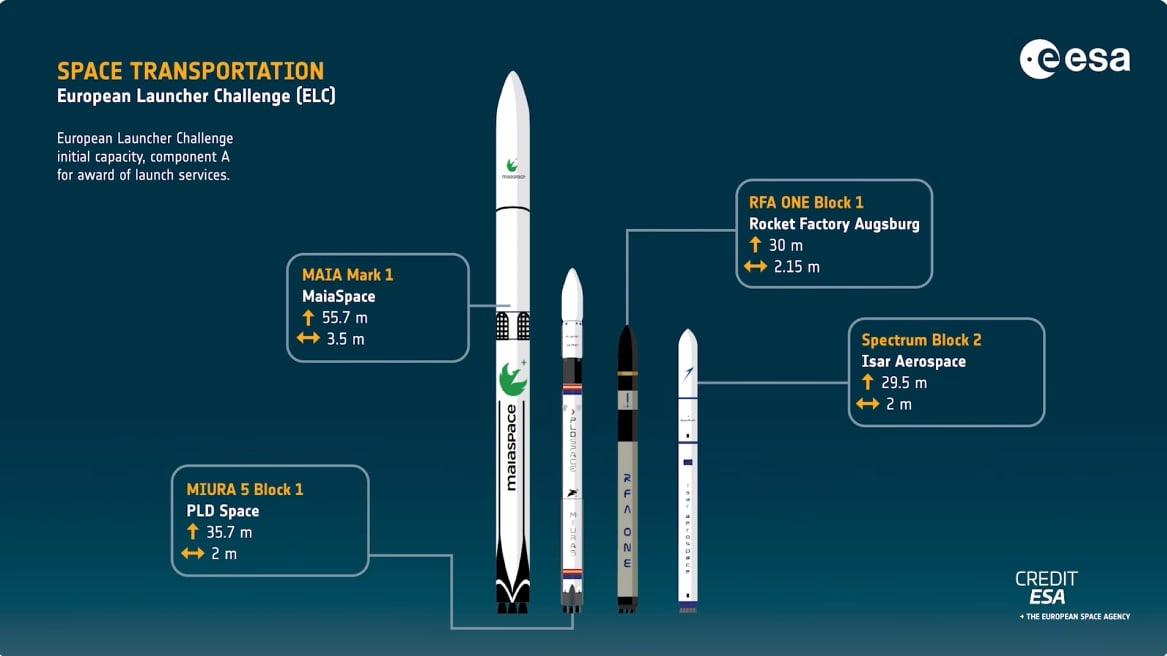
ESA awards first European Launcher Challenge contracts
The European Space Agency has signed the first contracts under its European Launcher Challenge, committing…
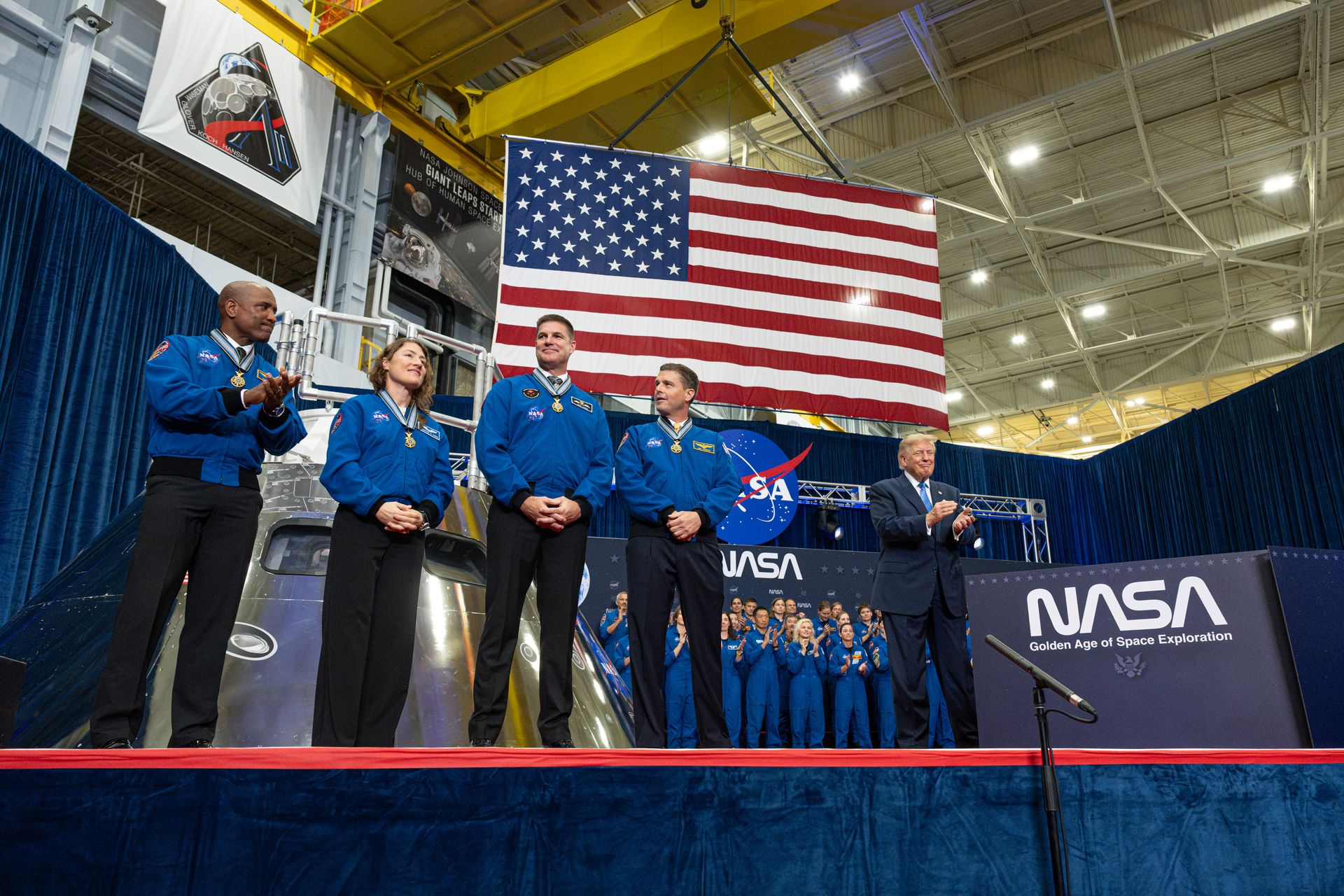
NASA’s Artemis II Crew Receives Congressional Space Medal of Honor
From left to right: NASA astronauts Victor Glover and Christina Koch, CSA (Canadian Space Agency) astronaut Jeremy Hansen, and NASA astronaut Reid Wiseman receive the Congressional Space Medal of Honor from President Donald J. Trump on Aug. 28, 2026, for their service during the Artemis II mission. The Congressional Space Medal of Honor was authorized […]
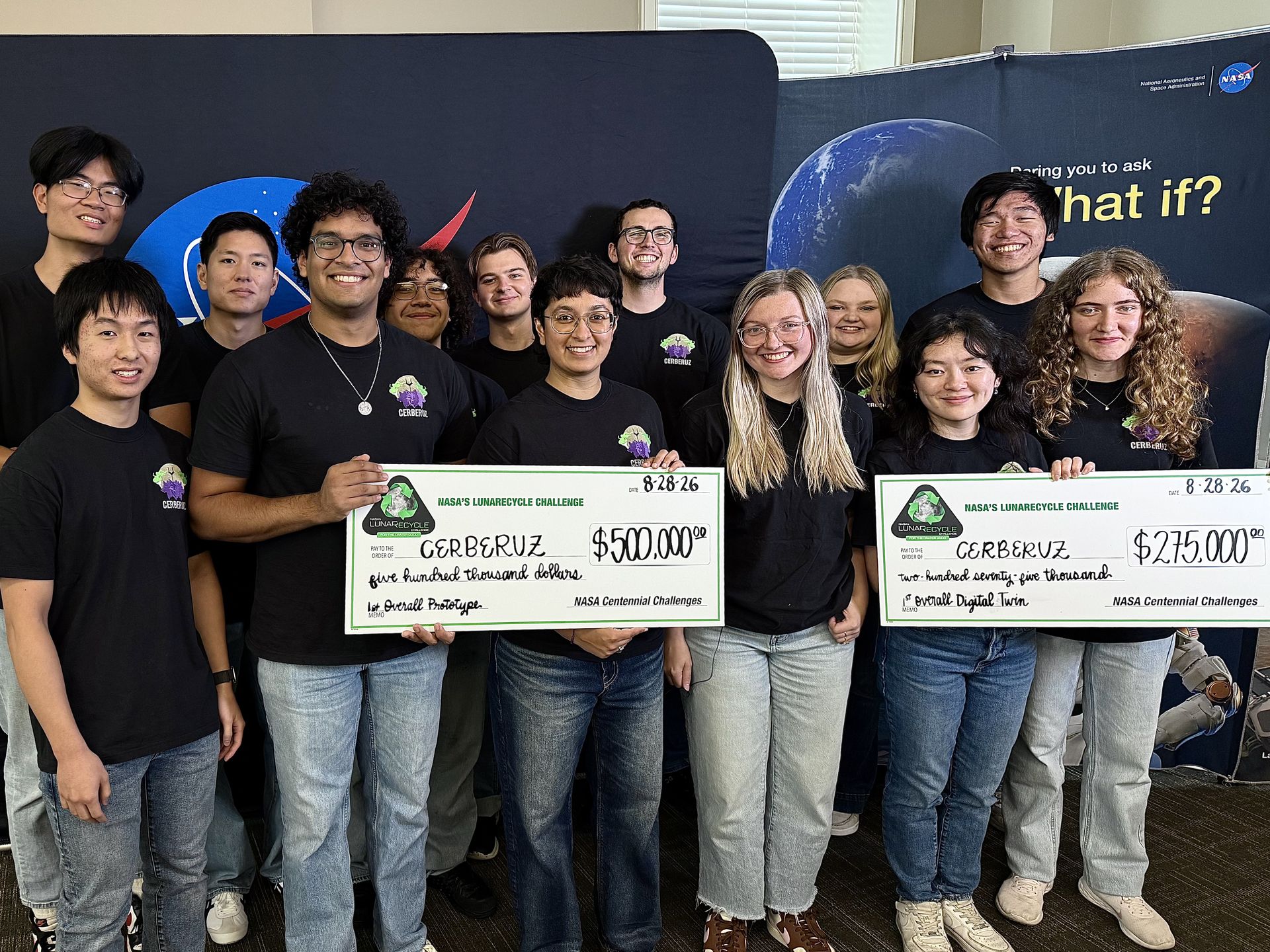
NASA Awards First Prize in Phase 2 of Agency’s LunaRecycle Challenge
NASA named a team from the Massachusetts Institute of Technology (MIT) as the first prize winner for Phase 2 of the agency’s LunaRecycle Challenge, which focused on developing solutions for reducing waste during missions to the Moon or deep space by recycling common materials, like fabrics, plastics, foam, and metals. The Composites for Extraterrestrial Recycling By Engineering the Reuse and Upcycling of Zotek (CERBERUZ) team, comprised of undergraduate, graduate, and doctoral students at MIT, received a total of $775,000 in awards. The technology grinds mixed trash into a fine powder, […]
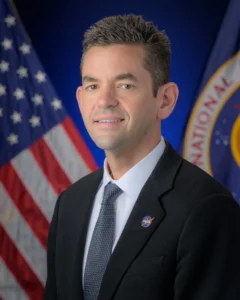
Trump Honors Artemis II Crew, Signs Executive Order to Establish a U.S. Space Academy
President Trump signed an Executive Order today during a ceremony honoring the Artemis II crew that will create a NASA-led U.S. Space Academy to “encourage and guide” students to pursue […]
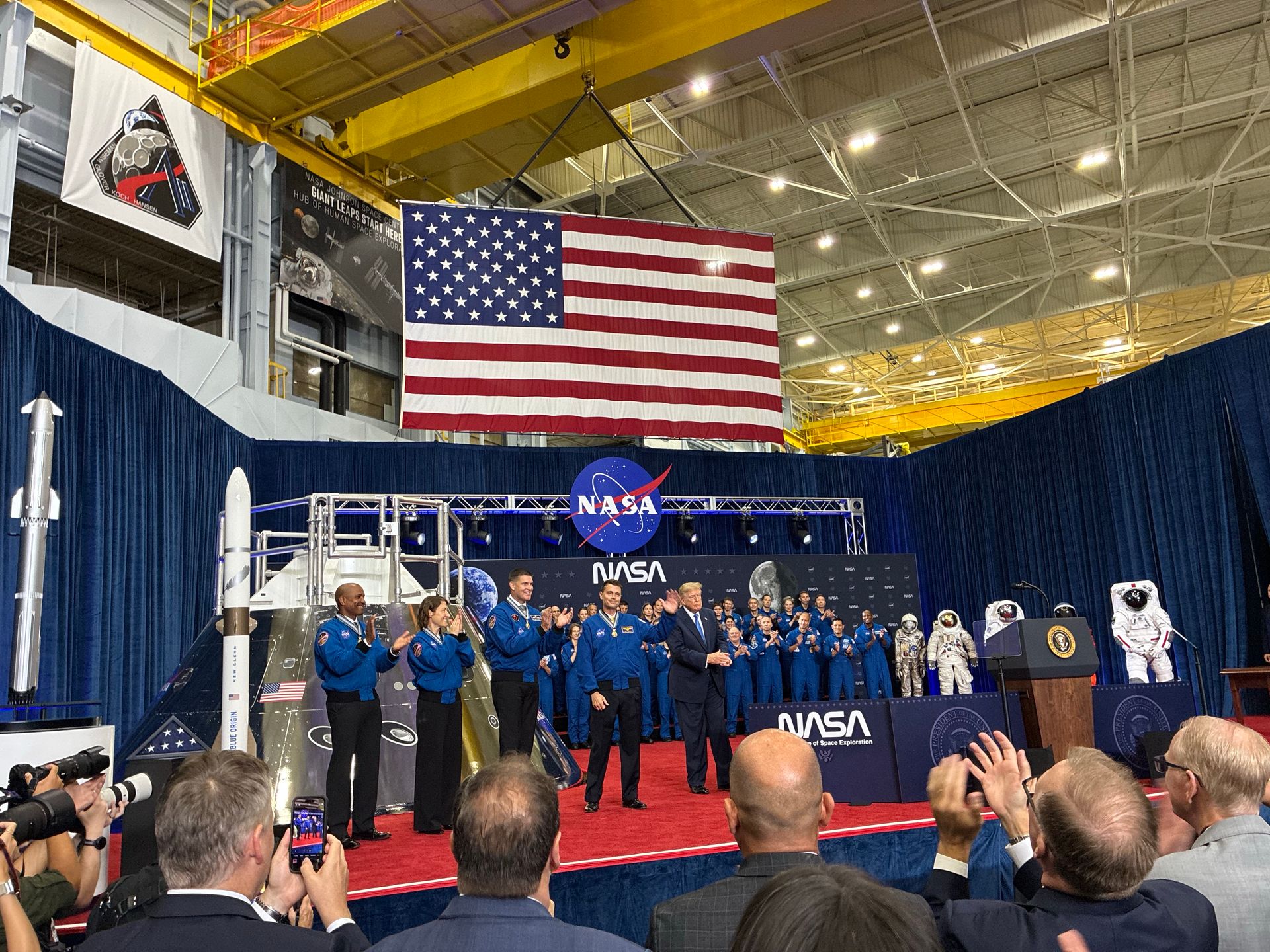
President Honors NASA’s Artemis II Crew with Highest US Space Award
President Donald J. Trump awarded NASA astronauts Reid Wiseman, Victor Glover, and Christina Koch, and CSA (Canadian Space Agency) astronaut Jeremy Hansen with the Congressional Space Medal of Honor Friday for their service during the Artemis II mission. He presented the awards during a ceremony at NASA’s Johnson Space Center in Houston, honoring the first […]
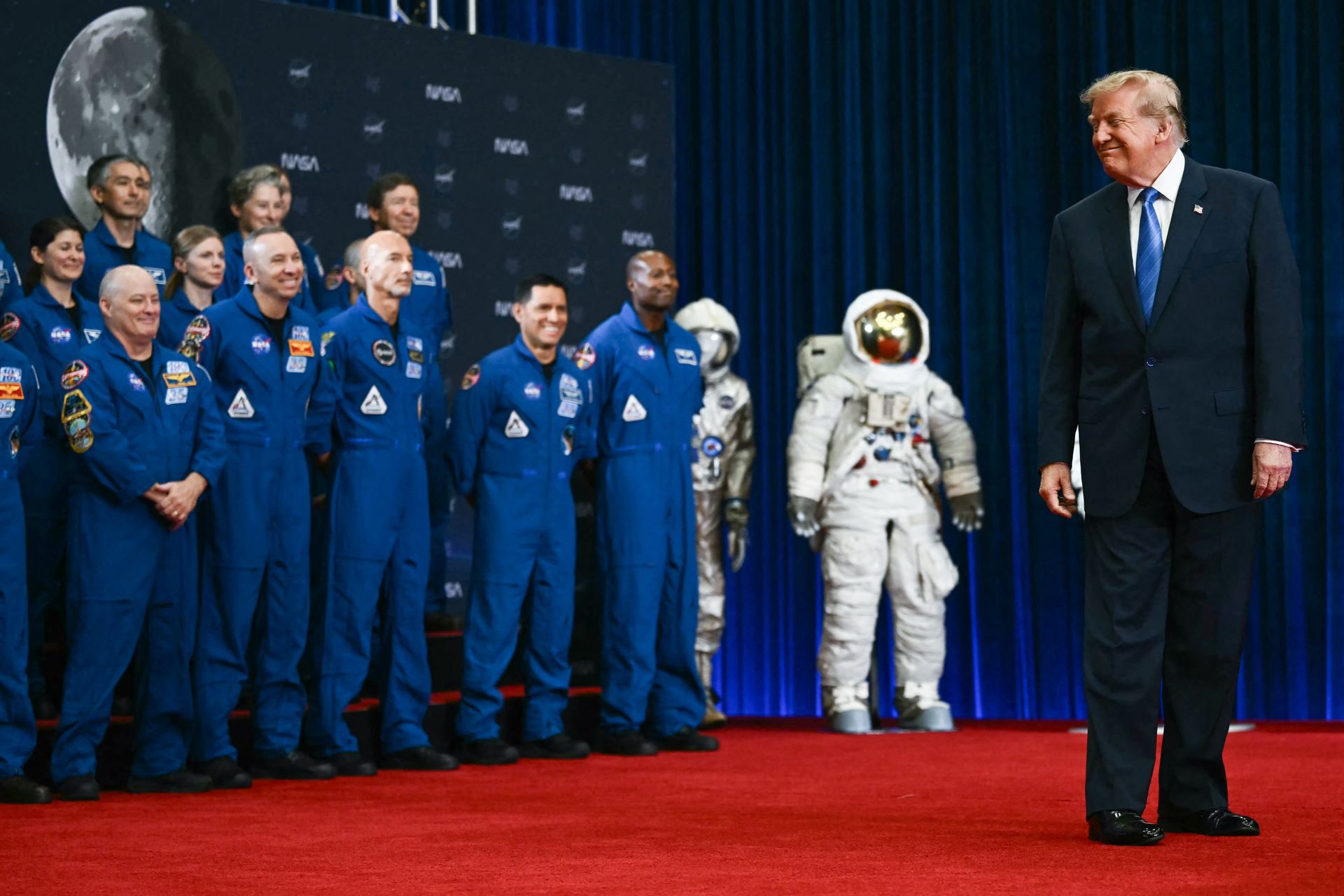
Trump calls for creation of a "space academy" to train future NASA leaders
"It's called the US Space Academy. That's a big deal."
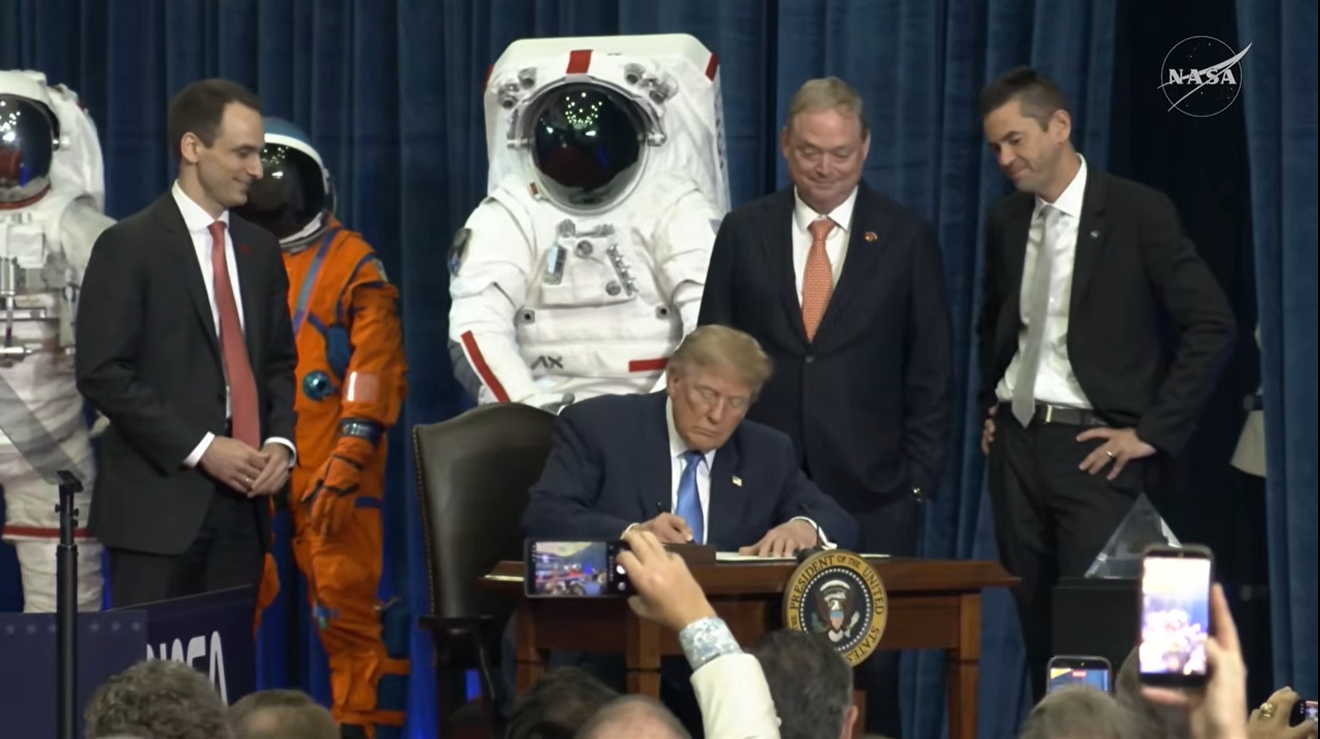
President Trump Signs Executive Order to Create US Space Academy
To strengthen the nation’s space workforce and develop the next generation of space leaders, President Donald J. Trump signed an Executive Order on Friday to establish the nation’s first U.S. Space Academy. The order highlights how space is a critical domain for American national security, economic growth, scientific discovery, and technological innovation. The proposed academy […]
Source: Spaceflight News API — served from the SpaceRocket launch database.