
Ariane 5 vs Ariane 6
Ariane 5 was Europe's workhorse for 27 years — over a hundred launches, a reliability record that made it the default choice for flagship science missions, capped by launching the James Webb Space Telescope in 2021. It retired in 2023 not because it failed, but because the market it was designed for no longer existed: the Falcon 9 had rewritten launch prices around it.
Ariane 6 is the answer Europe chose — a cheaper, more modular expendable rocket with a reignitable upper stage, flying since 2024 in two- and four-booster versions. It deliberately does not chase reusability this generation, betting instead on cost discipline, institutional demand, and guaranteed European access to space.
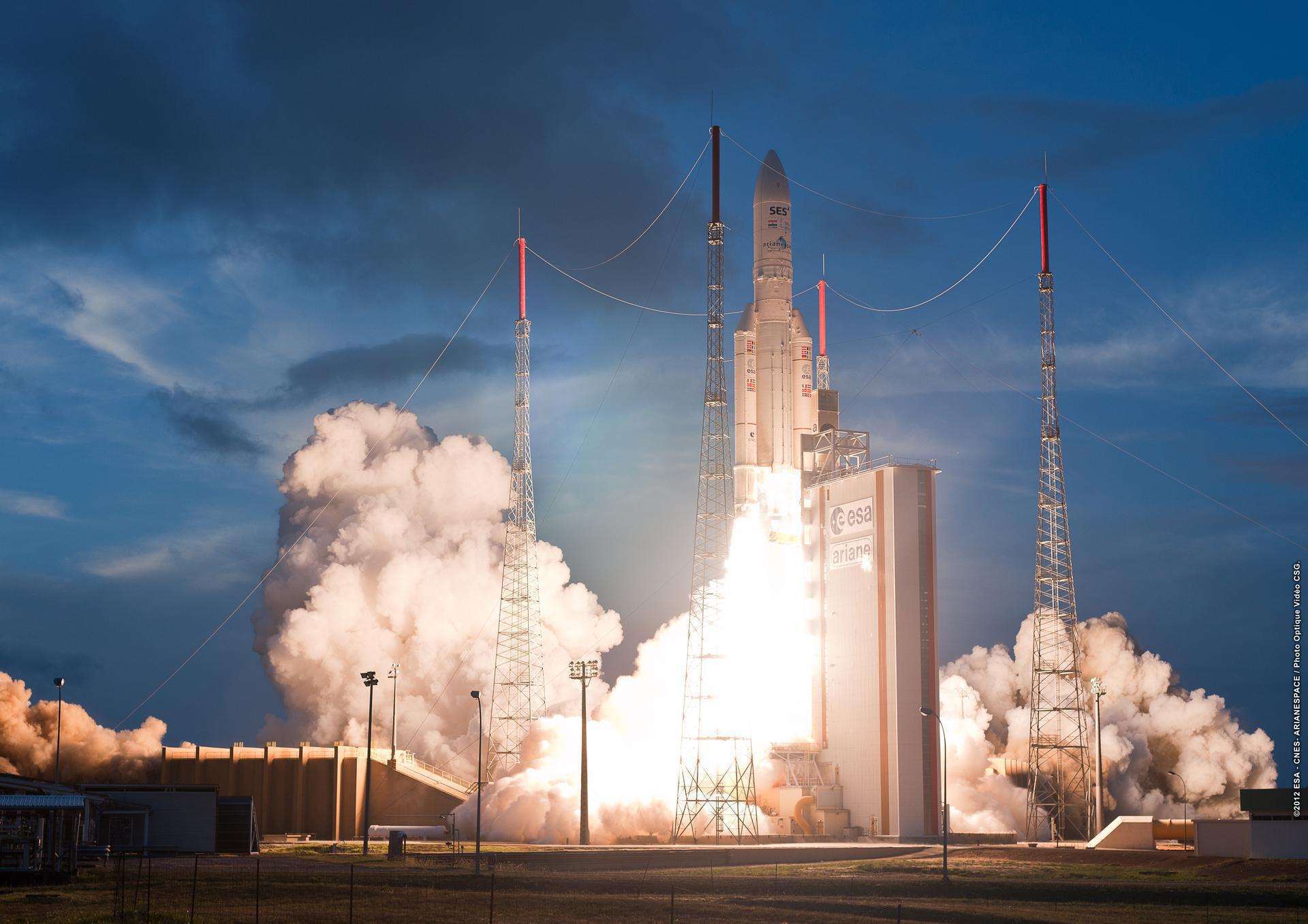
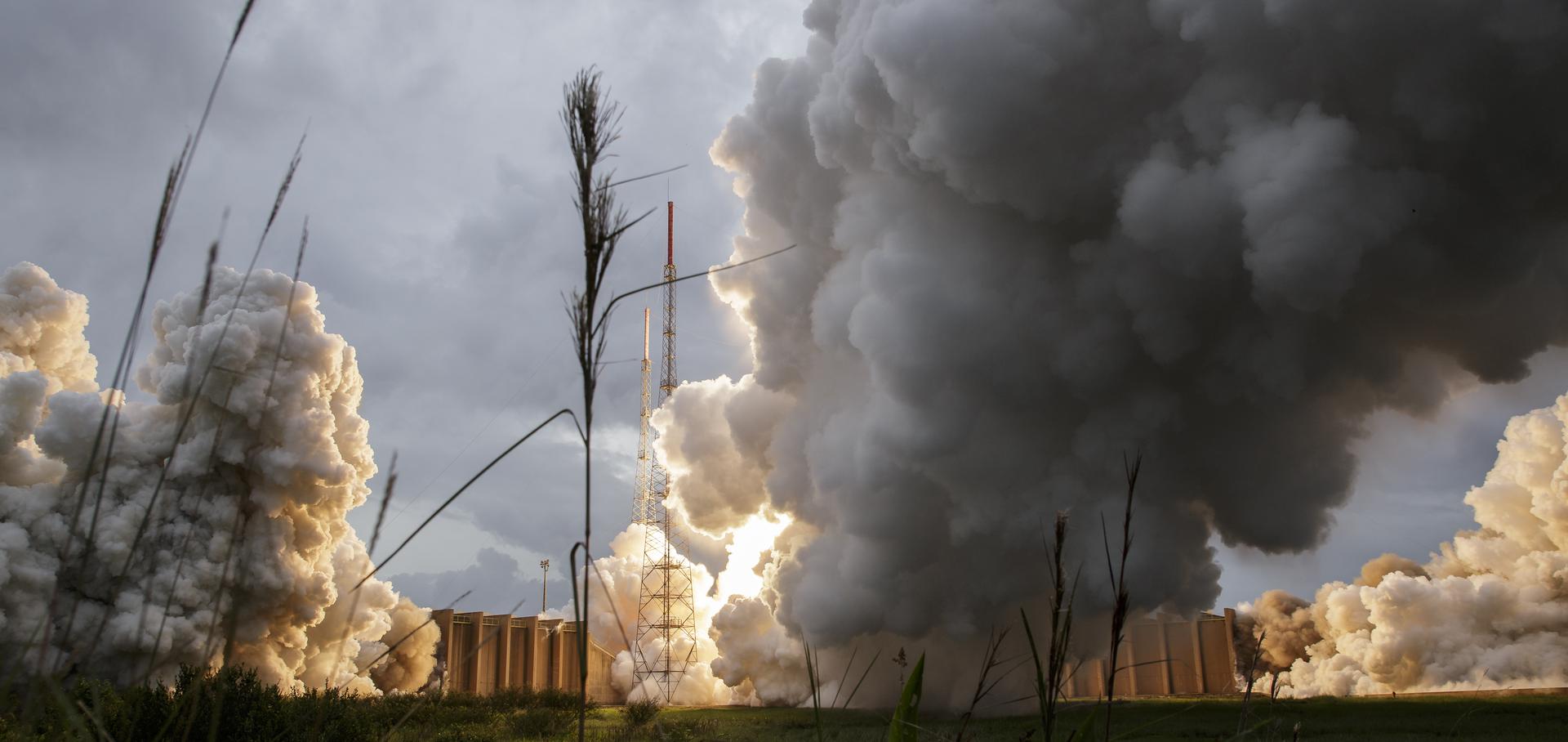
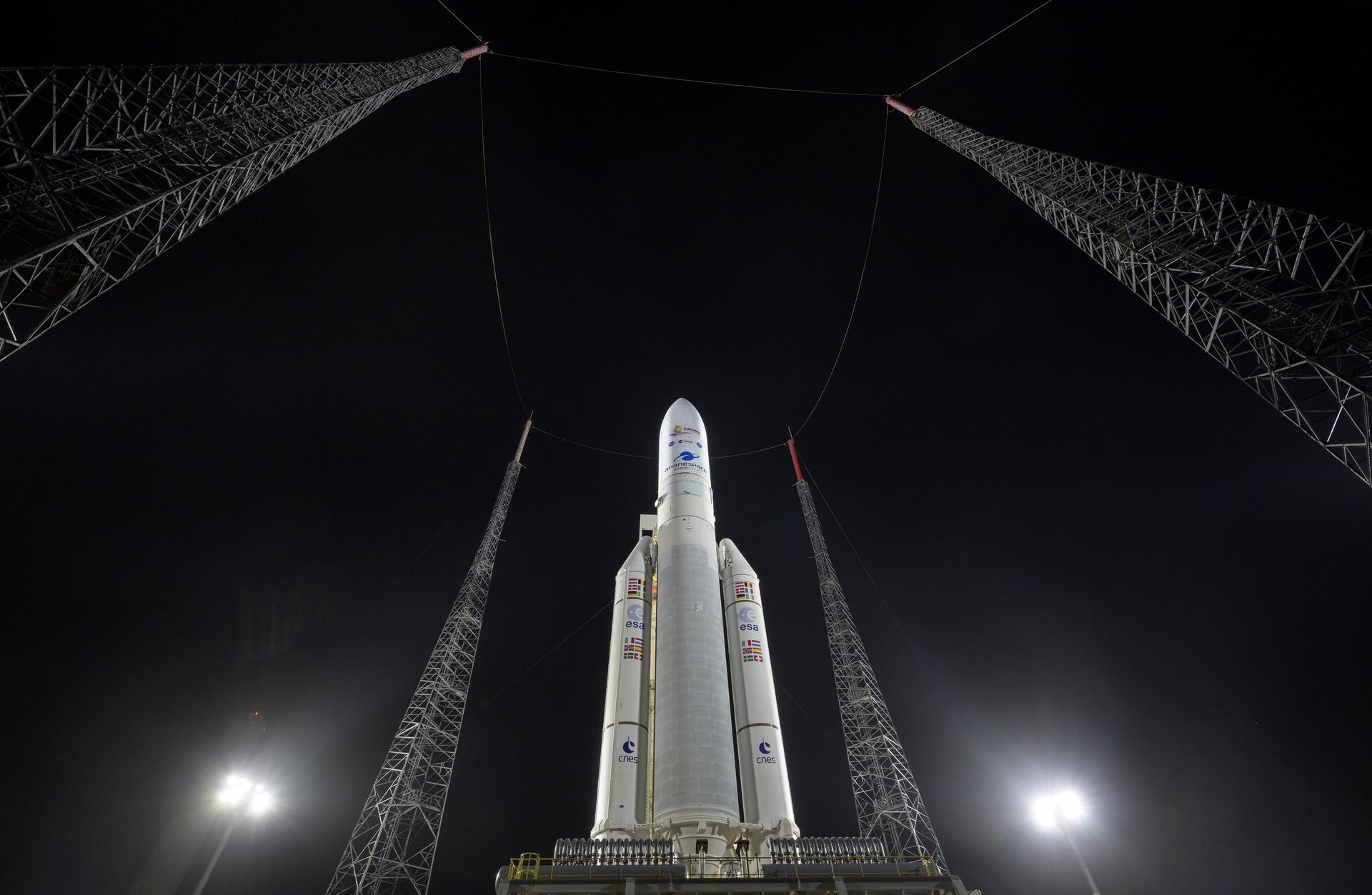
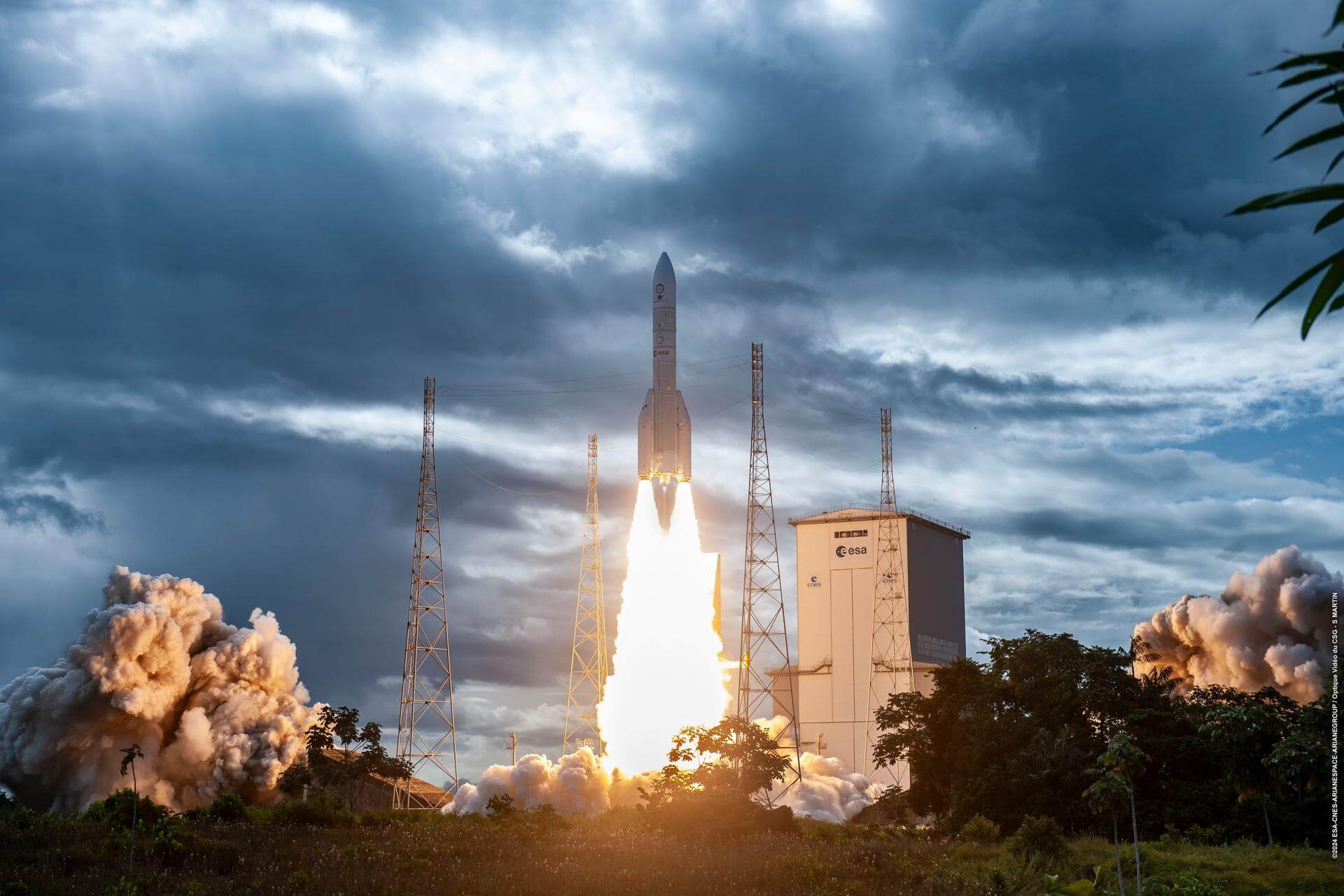


| Metric | ||
|---|---|---|
| LEO Capacity(kg) | — | 10,900 |
| GTO Capacity(kg) | 10,500 | 5,100 |
| Height(m) | 57.7 | 63 |
| Diameter(m) | 5.4 | 5.4 |
| Launch Mass(t) | 780 | 530 |
| Total Launches | 73 | 6 |
| Success Rate | 97% | 100% |
| Landing Success | — | — |
| Status | Retired | Active |
| Reusable | Expendable | Expendable |
Head-to-head charts
Payload capacity(metric tons)
Size
Launch record
The short answer
Ariane 5 was the world's most trusted launcher; Ariane 6 only has to be a cheaper one. The comparison shows how much the Falcon 9 changed what 'success' means for a European rocket.
More in Europe's Answer
Data: Launch Library 2 (TheSpaceDevs) — served from the SpaceRocket launch database.