
Vulcan vs Ariane 6
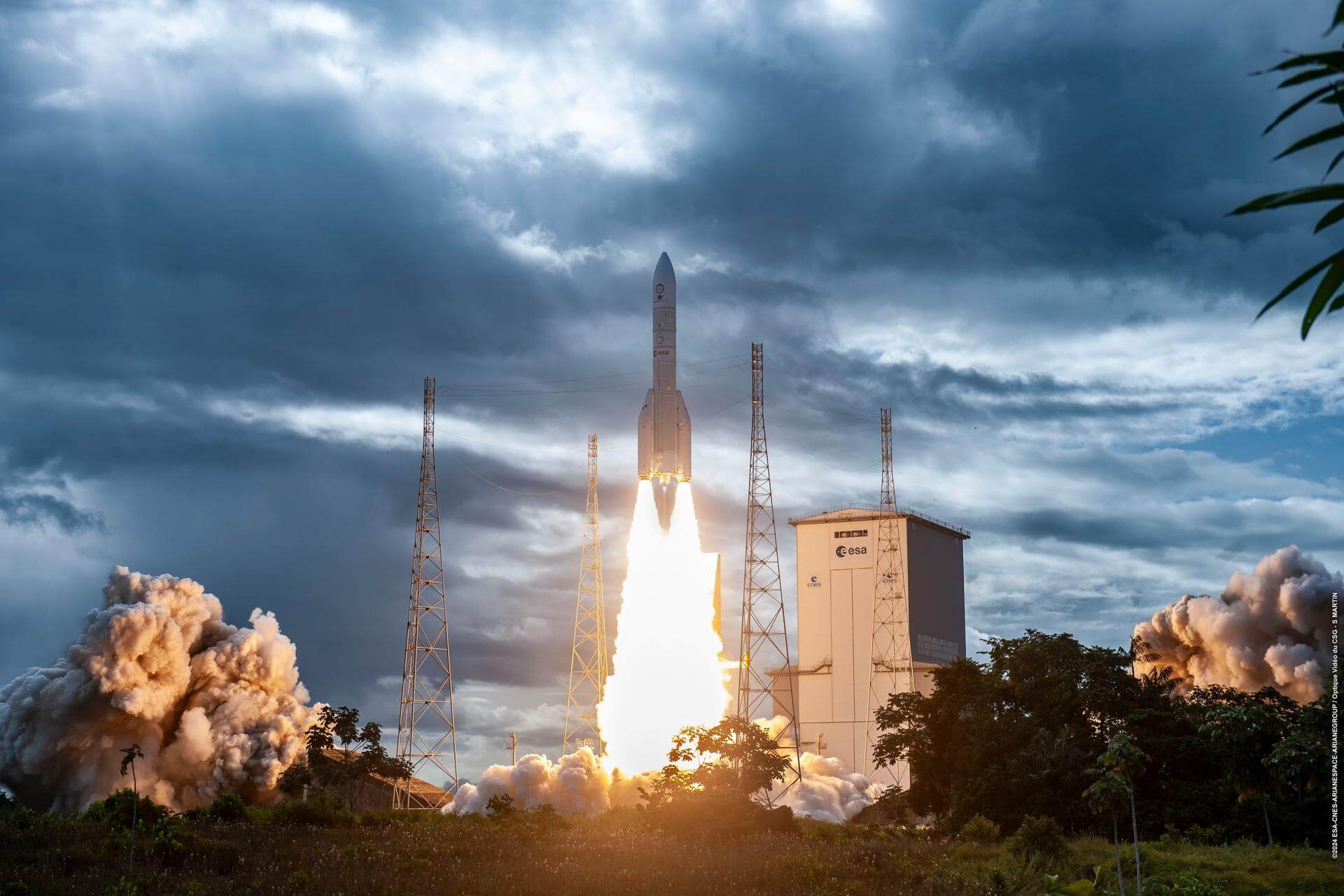
Vulcan and Ariane 6 are the new institutional flagships of the US and Europe — both first flown in 2024, both replacing beloved predecessors (Atlas V and Ariane 5), both built to guarantee their governments independent access to space rather than to undercut SpaceX on price. Vulcan pairs Blue Origin's methane BE-4 engines with up to six solid boosters; Ariane 6 pairs a hydrolox core with two or four solids and a reignitable upper stage.
Their differences are in the details that shape a rocket's future: Vulcan's methane main engines point toward ULA's planned engine-recovery experiments, while Ariane 6 stays fully expendable and leans on European institutional demand. Both entered service years late, into a market the Falcon 9 had already transformed.
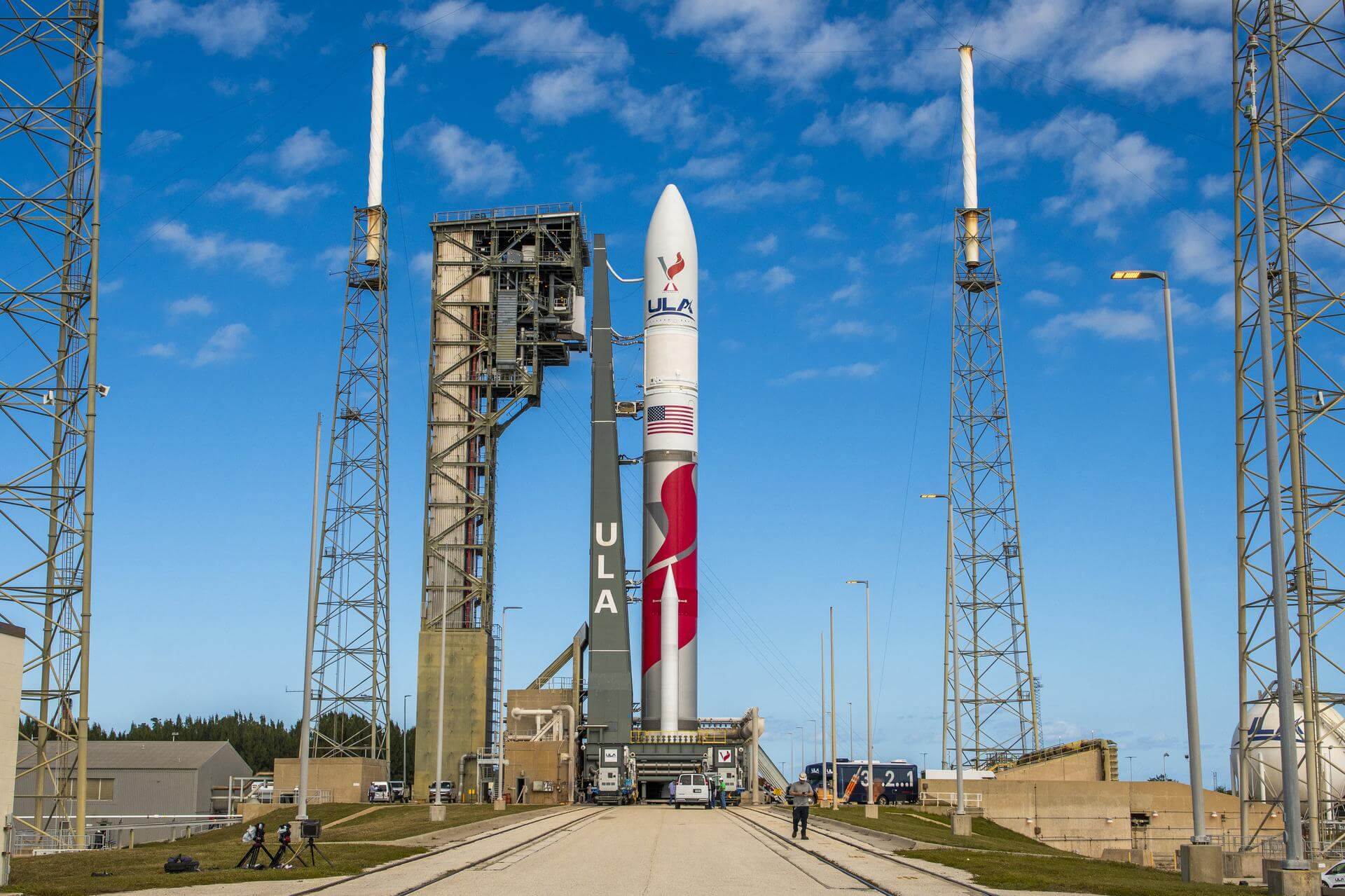
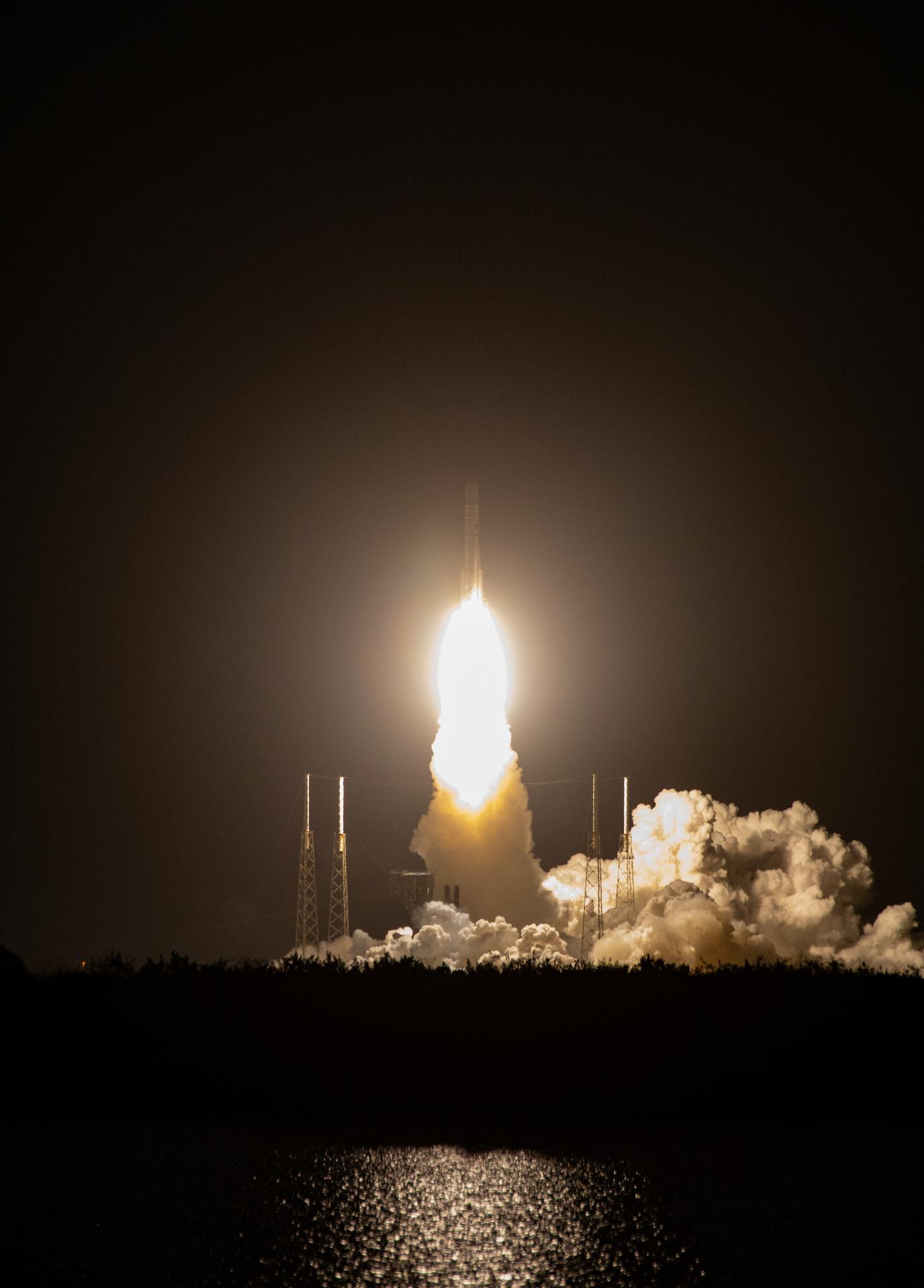


| Metric | ||
|---|---|---|
| LEO Capacity(kg) | 19,000 | 10,900 |
| GTO Capacity(kg) | 8,400 | 5,100 |
| Height(m) | 61.6 | 63 |
| Diameter(m) | 5.4 | 5.4 |
| Launch Mass(t) | 663 | 530 |
| Total Launches | 2 | 6 |
| Success Rate | 100% | 100% |
| Landing Success | — | — |
| Status | Active | Active |
| Reusable | Expendable | Expendable |
Head-to-head charts
Payload capacity(metric tons)
Size
Launch record
The short answer
Two government-backed flagships born of the same strategic need — assured access to space — diverging mainly on how far each looks toward a reusable future.
More in Europe's Answer
Data: Launch Library 2 (TheSpaceDevs) — served from the SpaceRocket launch database.