
Falcon 9 vs Falcon Heavy
The Falcon Heavy is, quite literally, three Falcon 9 first stages strapped together — and the comparison shows how far that simple idea goes. Tripling the booster count more than triples the energy delivered to the payload, making the Heavy SpaceX's answer to heavy national-security and deep-space missions that a single-core Falcon 9 cannot reach.
The catch is cadence: the Falcon 9 flies weekly while the Falcon Heavy flies a handful of times per year, since few payloads need its performance. Both share the same Merlin engines, the same recovery systems, and the same launch pads.
| Metric | ||
|---|---|---|
| LEO Capacity(kg) | 22,800 | 63,800 |
| GTO Capacity(kg) | 8,300 | 26,700 |
| Height(m) | 70 | 70 |
| Diameter(m) | 3.65 | 12.2 |
| Launch Mass(t) | 549 | 1,400 |
| Total Launches | 630 | 13 |
| Success Rate | 100% | 100% |
| Landing Success | 99% | 92% |
| Status | Active | Active |
| Reusable | ♻ Reusable | ♻ Reusable |
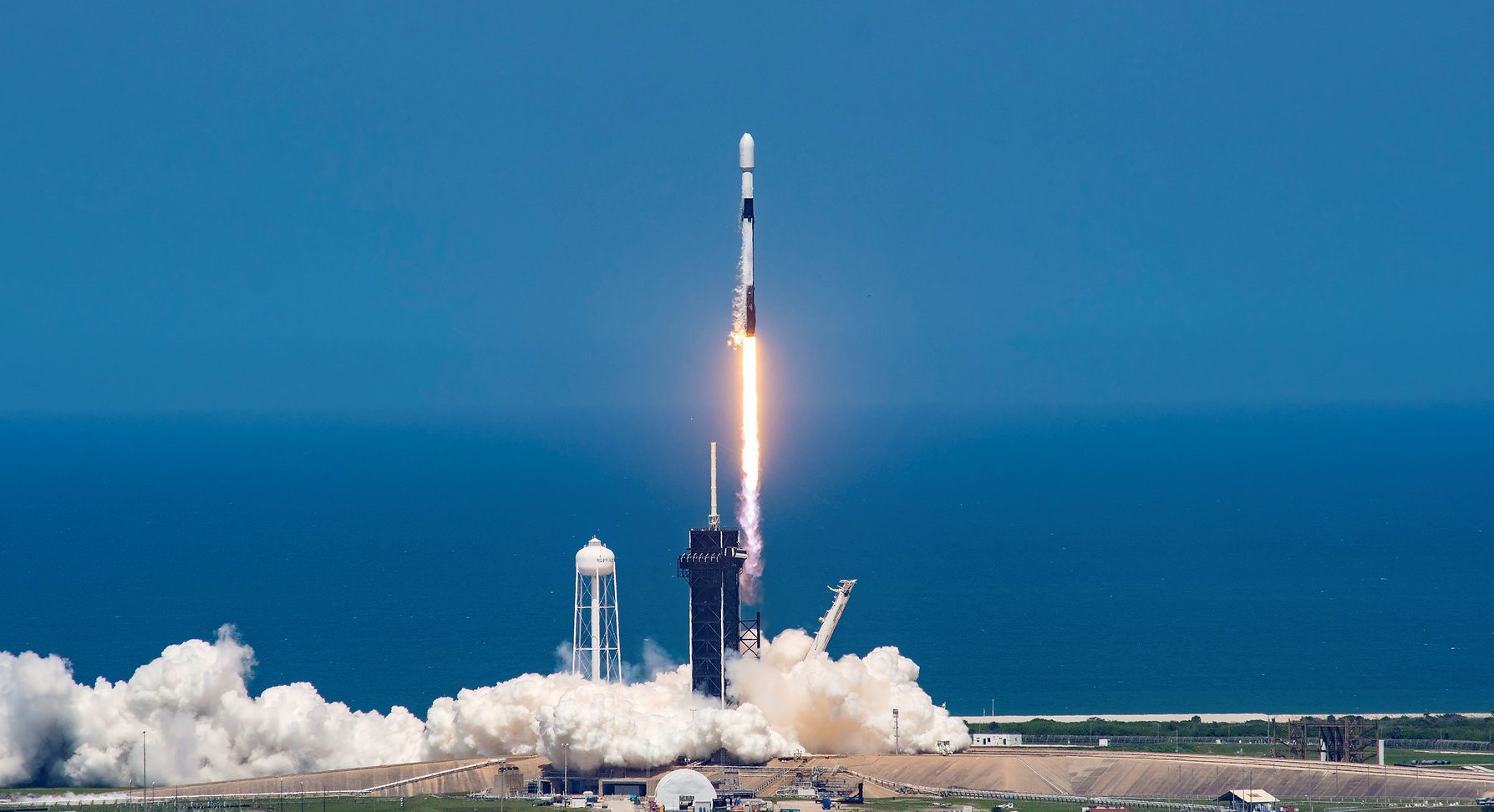
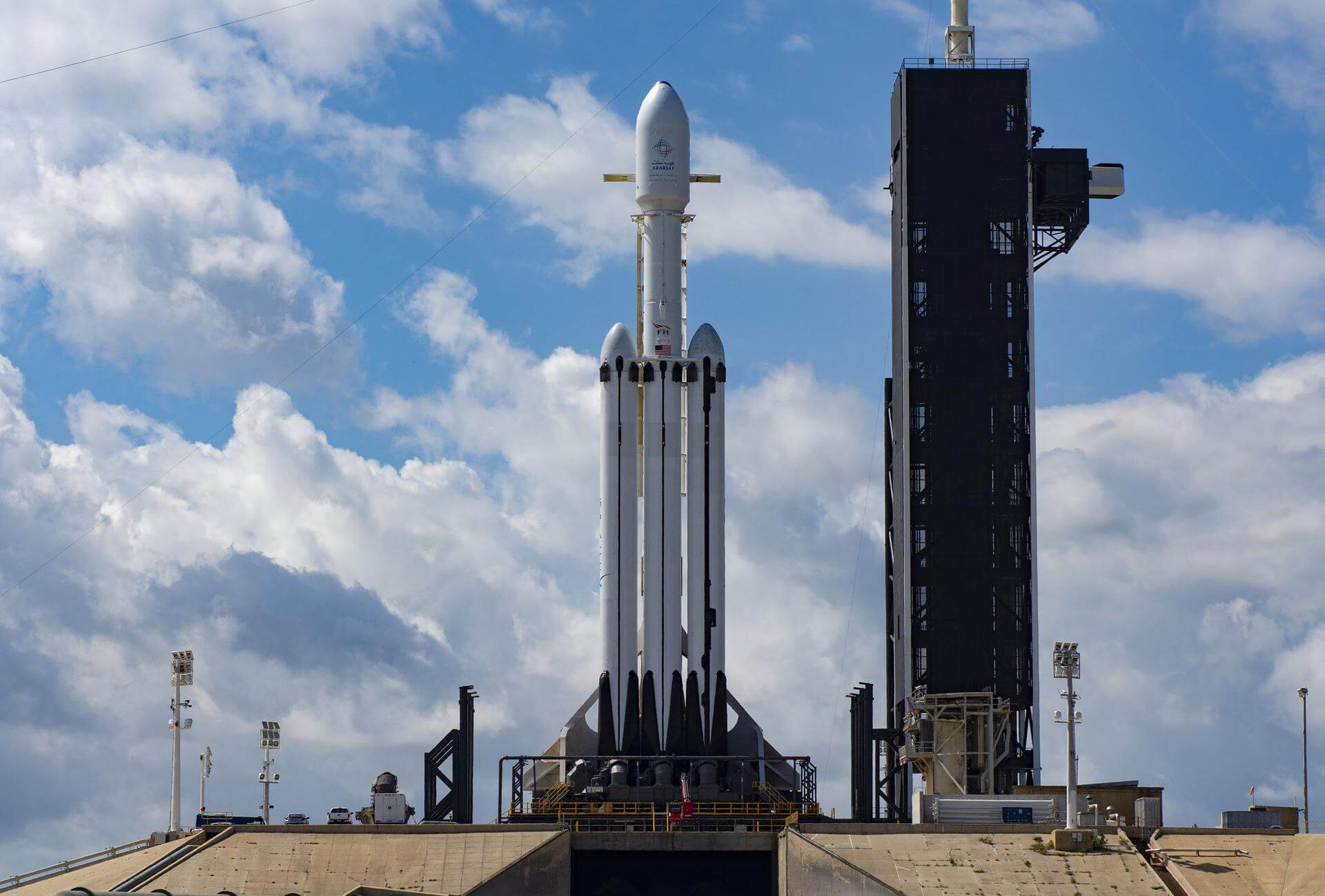
Head-to-head charts
Payload capacity(metric tons)
Size
Launch record
The short answer
Same DNA, different jobs: the Falcon 9 owns routine orbital work; the Falcon Heavy exists for the rare payloads that need three cores' worth of energy.
Data: Launch Library 2 (TheSpaceDevs) — served from the SpaceRocket launch database.