
Starship vs SLS
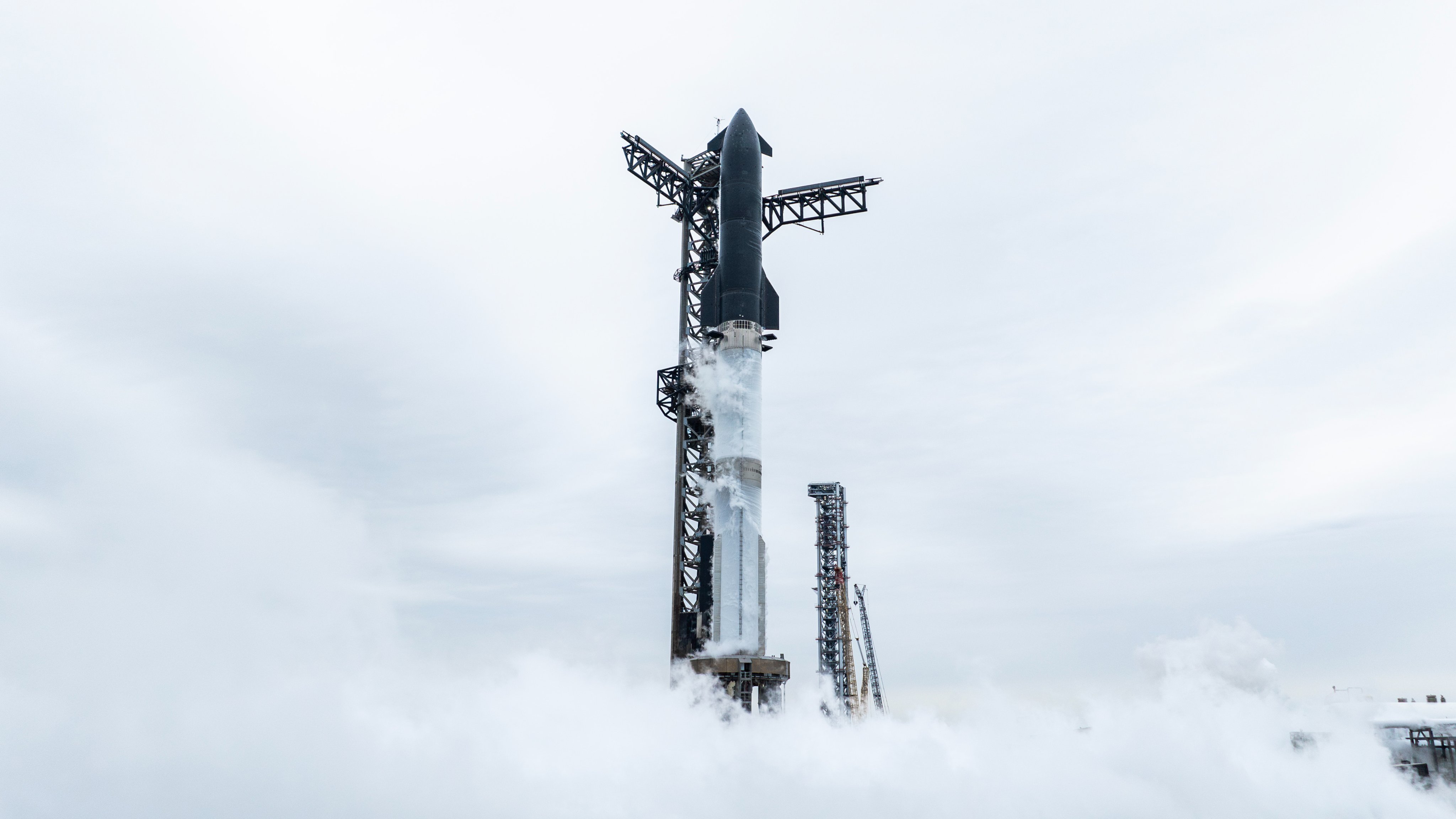
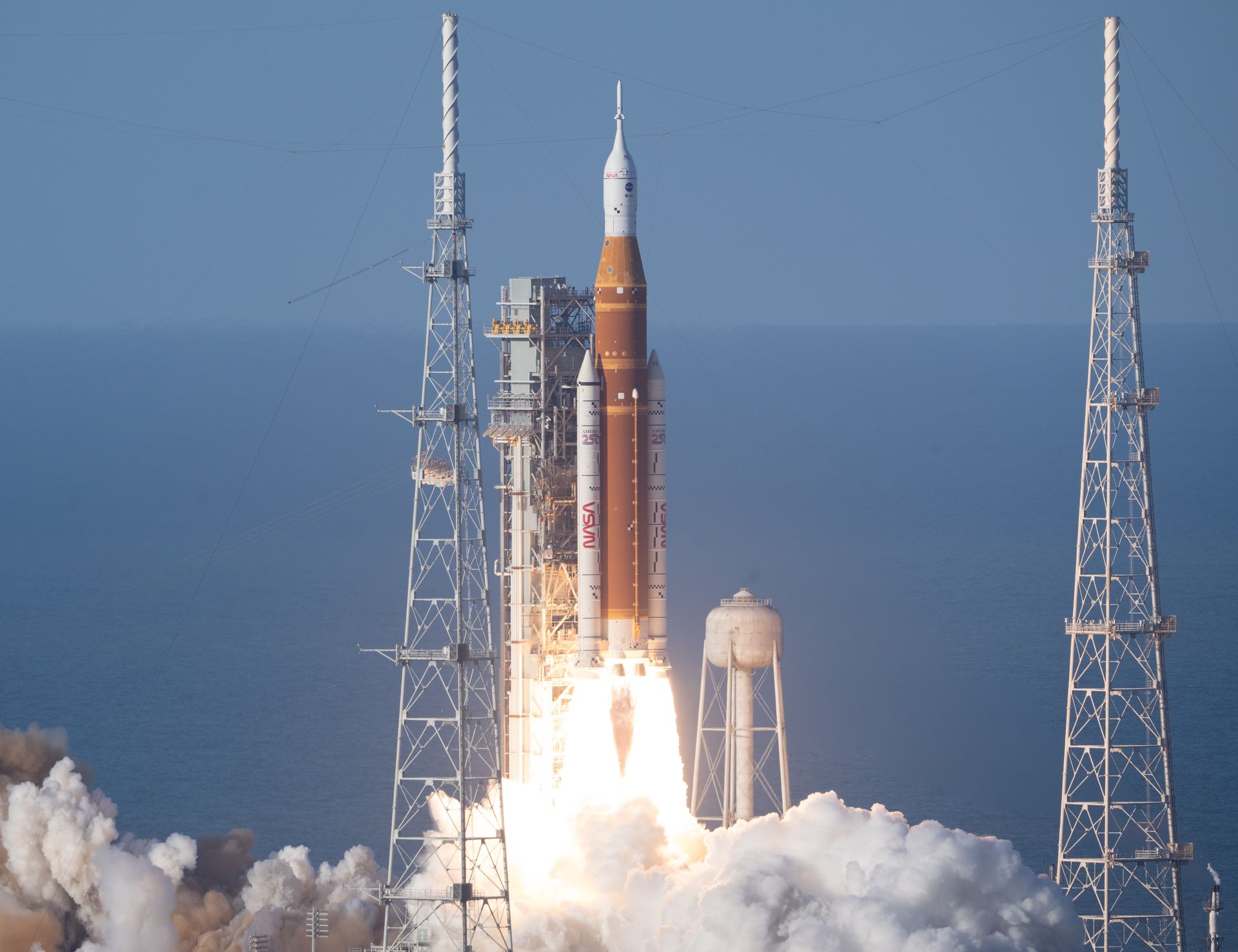
Starship and the Space Launch System are NASA's two paths back to the Moon — one commercially developed and fully reusable, the other government-directed and fully expendable. The SLS Block 1 flew Artemis I in 2022 and is the only current rocket proven to send a crew-capable spacecraft to lunar orbit. Starship dwarfs it on thrust and payload but is still in flight testing, and NASA's Human Landing System depends on it.
The cost contrast defines the comparison: an SLS launch costs over $2 billion and flies at most once a year, while Starship's entire design premise is to undercut that by orders of magnitude through reuse.
| Metric | ||
|---|---|---|
| LEO Capacity(kg) | 100,000 | 95,000 |
| GTO Capacity(kg) | — | — |
| Height(m) | 124.4 | 98 |
| Diameter(m) | 9 | 8.4 |
| Launch Mass(t) | 5,000 | 2,628 |
| Total Launches | 0 | 2 |
| Success Rate | — | 100% |
| Landing Success | — | — |
| Status | Active | Active |
| Reusable | Expendable | Expendable |
Head-to-head charts
Payload capacity(metric tons)
Size
Launch record
The short answer
SLS is the proven, expensive present; Starship is the unproven, cheap future. Artemis needs both — which is exactly the program's political and technical tension.
More in Next-Generation Heavy Lift
Data: Launch Library 2 (TheSpaceDevs) — served from the SpaceRocket launch database.