
Space News
1,869 articles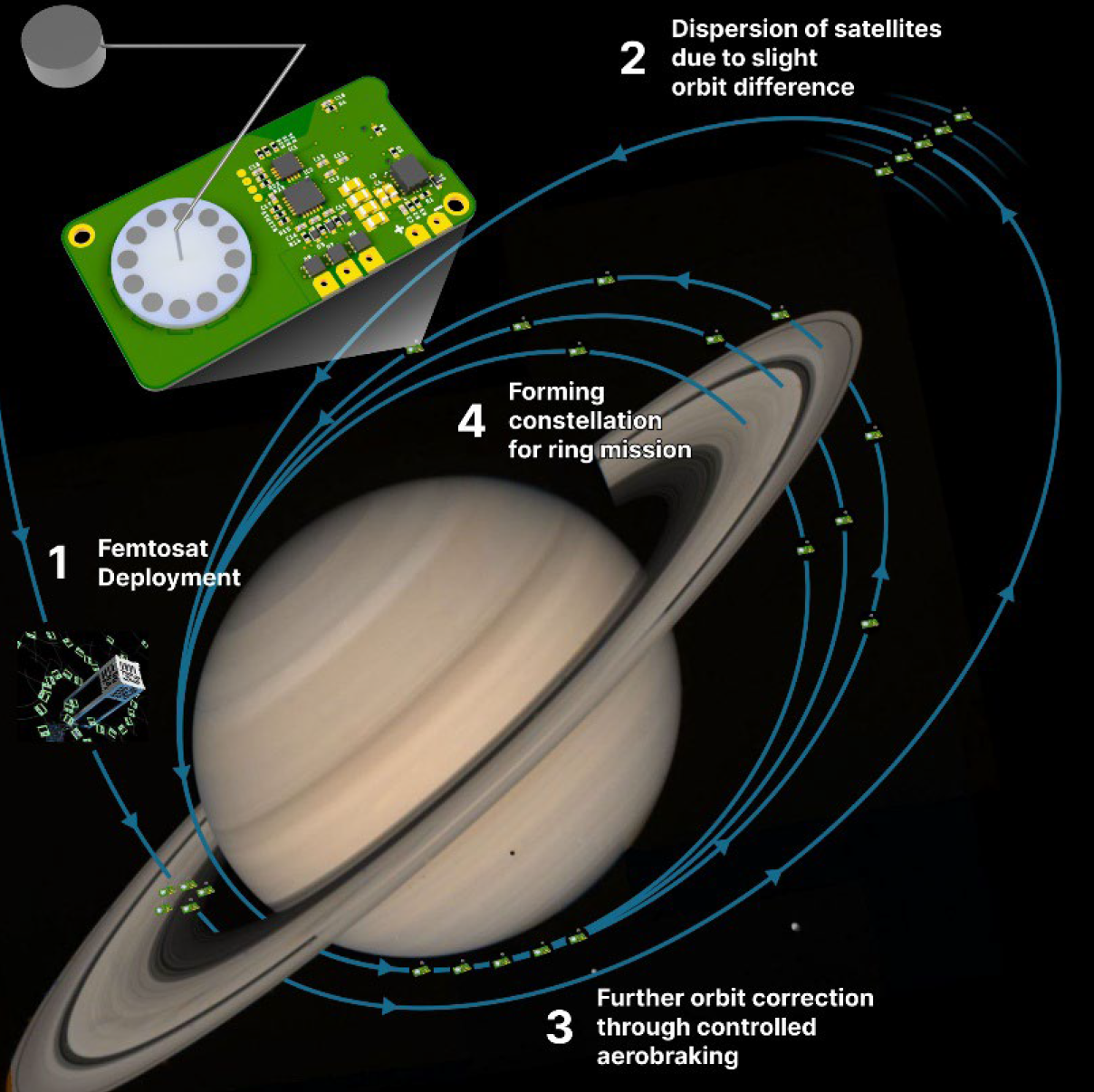
Actively Steerable Femtosat Constellations for In-situ Exploration of Saturn’s Rings, Atmosphere, and Magnetosphere
Michael RubensteinNorthwestern University, Chicago We propose a mission to use ~10,000 actively steerable femtosats to map the ring composition, atmospheric composition and density, and the magnetic field distribution of Saturn. Conducting in-situ surveys of Saturn’s rings with a single flagship mission, such as Cassini, would carry an unacceptably high risk of mission failure due to […]
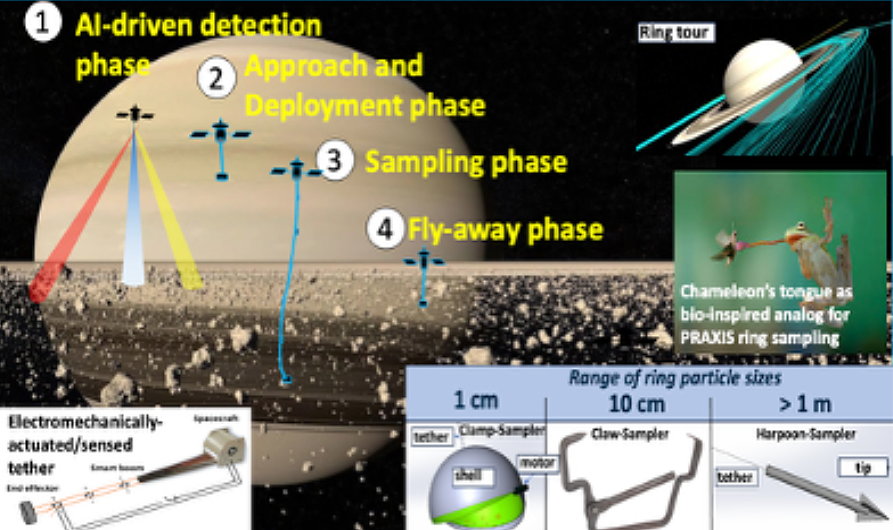
PRAXIS: Planetary Rings Autonomous EXploration with In-situ Sampling
Marco QuadrelliNASA Jet Propulsion Laboratory Humanity has never touched the particles of a planetary ring, but if we were able to get close enough and sample them, it will transform understanding of ring structure and origins for Saturn (dense), Uranus and Neptune (tenuous), rings of other objects such as Centaurs Chariklo and Chiron, and even early […]
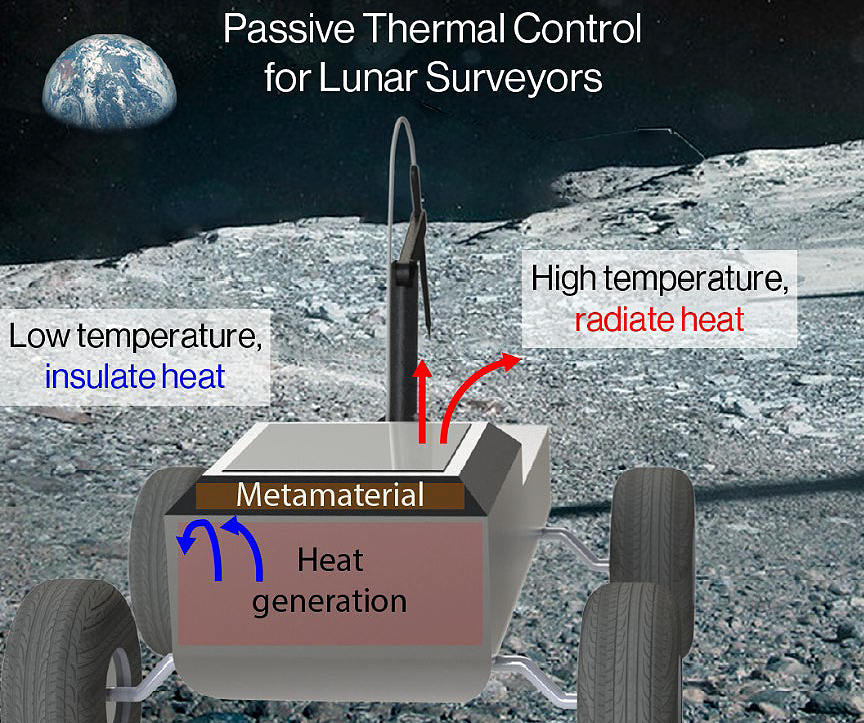
ECLIPSE – Efficient variable Conductivity Lunar Insulator for Passive Surveyor Environmental control
Austin Phoenix Virginia Polytechnic Institute & State A disaggregated lunar infrastructure requires novel thermal management methods to enable future lunar operations. While thermal management solutions exist for large infrastructure, the smaller mobile systems that operate independently require improved temperature regulation devices that can survive without heaters or substantial power requirements, while limiting stress-inducing temperature fluctuations. New […]
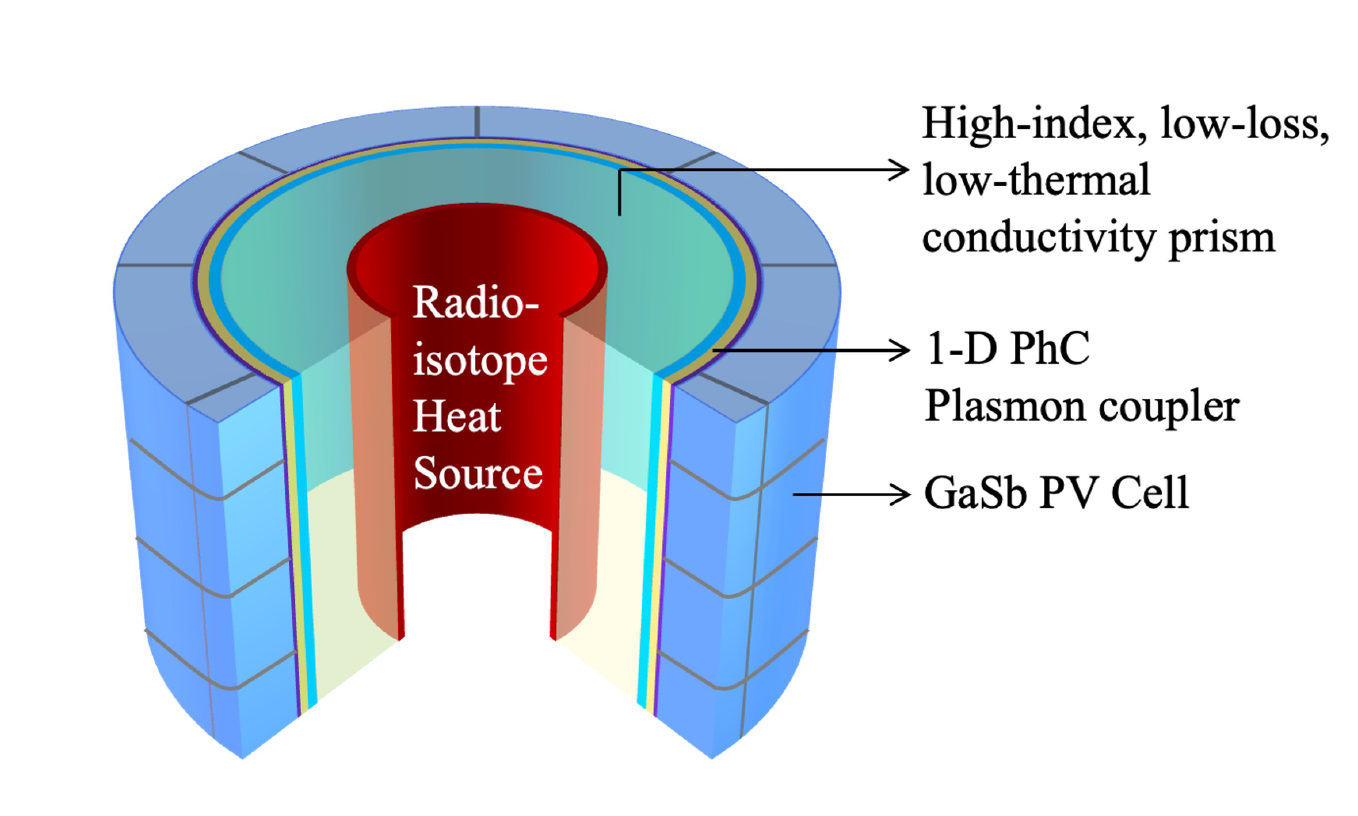
Plasmon-Enhanced Radioisotope Thermophotovoltaic (PRTPV) Power Generation for Interstellar Missions
Keunhan ParkUniversity of Utah This proposal seeks to develop a transformative energy system — the plasmon-enhanced radioisotope Thermophotovoltaic (PRTPV) generator — that significantly surpasses the performance of current radioisotope thermoelectric generators (RTGs) in both specific power and efficiency. Designed to achieve a specific power of 17 W/kg and a thermal-to-electric conversion efficiency greater than 40%, […]
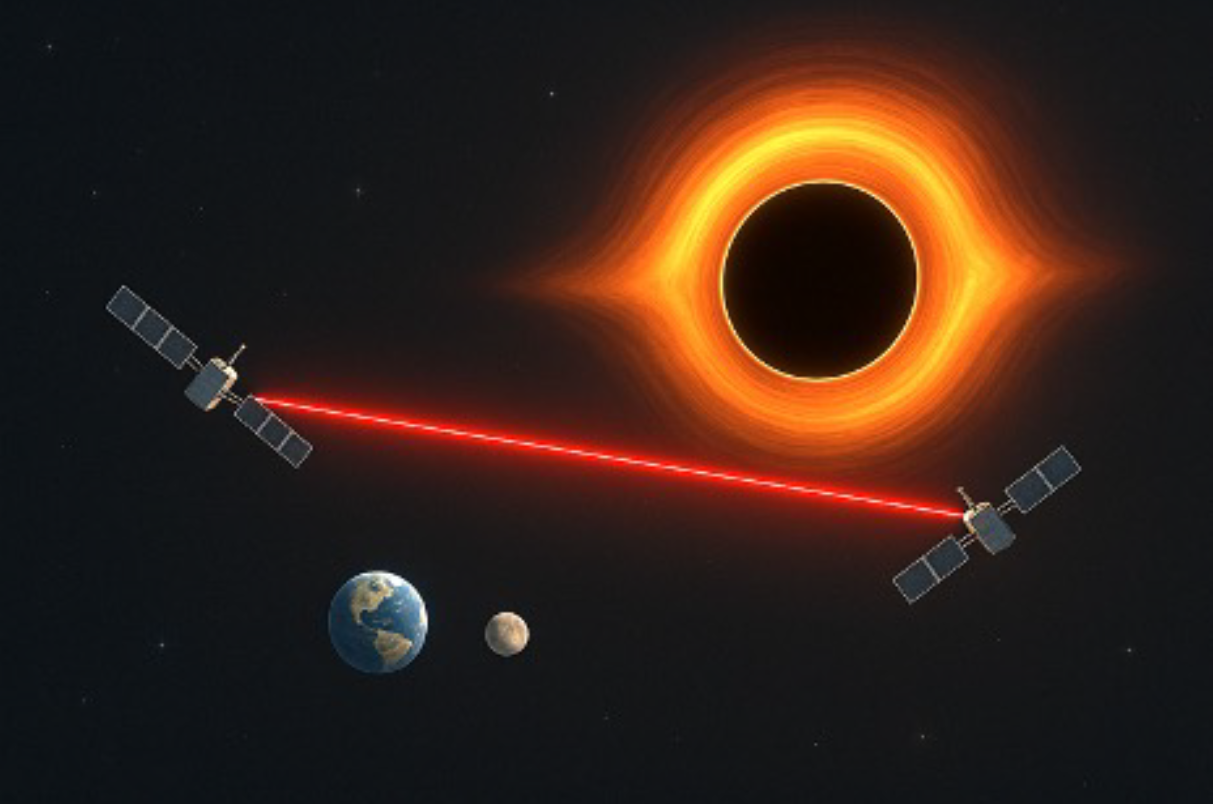
OBLIVION: Observing Black hole LIght Via Intensity cOrrelatioN
Jeff Nosanov Orbital Velocity, LLC The OBLIVION Phase I study will assess the feasibility of a novel, intensity-only interferometer architecture for direct geometric measurement of a supermassive black hole’s photon ring at gigaparsec distance. We will use Hanbury Brown–Twiss intensity correlations at 1 cm wavelength, flying two identical spacecraft in a 1.1 AU heliocentric orbit trailing […]
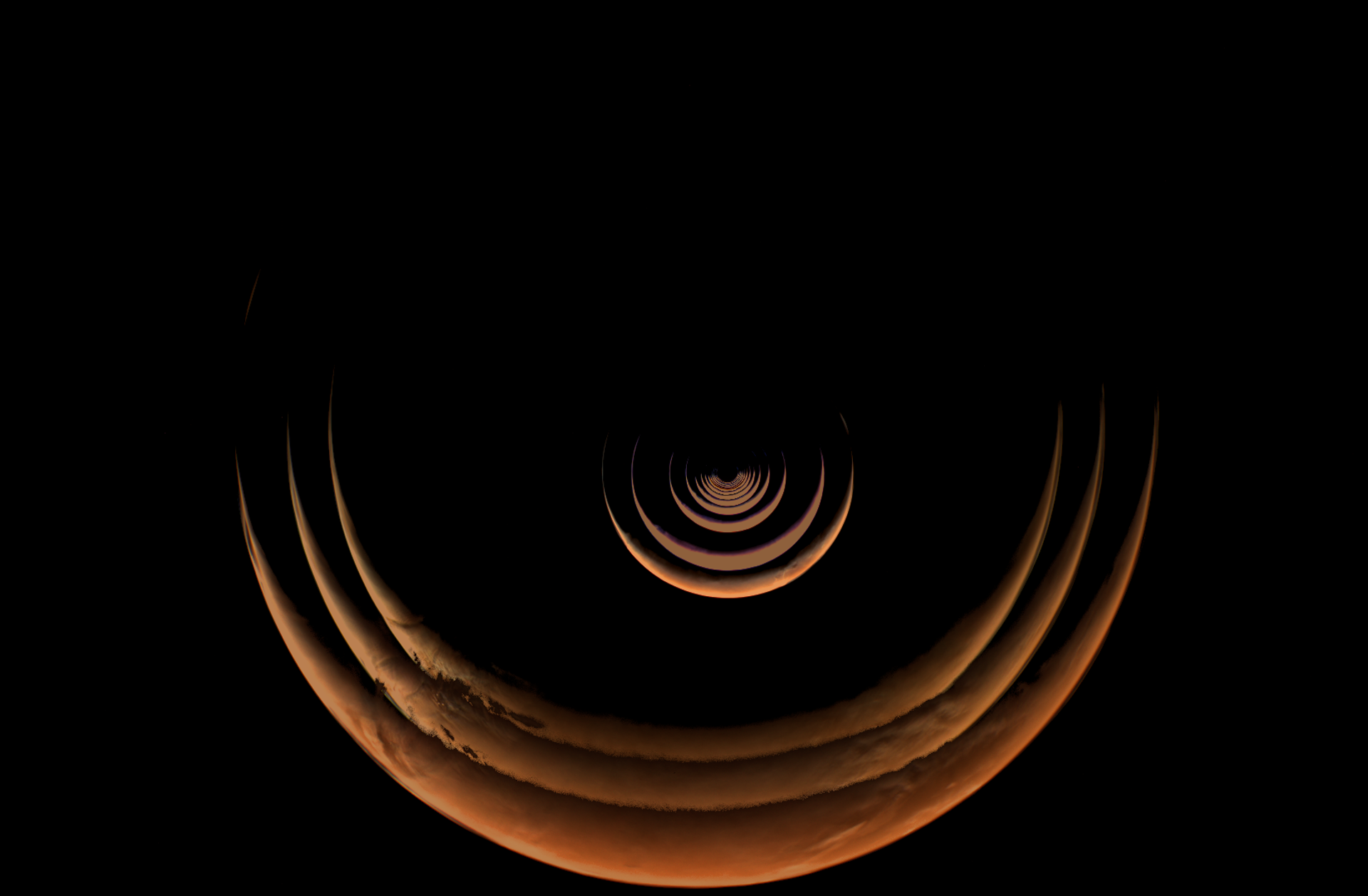
Psyche Approaches Mars
This composite photo released on July 17, 2026, shows the crescent of Mars grow as NASA’s Psyche spacecraft approached the planet for a gravity assist. Psyche flew by Mars on May 15, 2026, using the planet’s gravity to gain speed and slightly tilt its trajectory. The flyby also gave the team an opportunity to prep for the […]
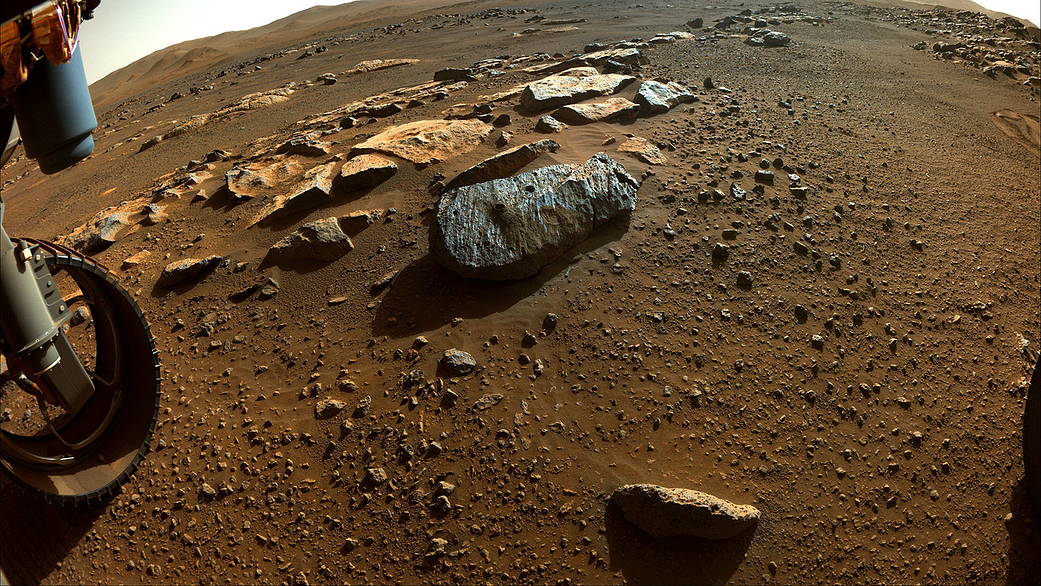
Establishing Crew Exposure Limits of Martian Dust
Background Human exploration of Mars will expose crews to a persistent, fine particulate environment whose physicochemical properties and health implications remain only partly understood. Because no samples of authentic Martian airborne dust have been returned to Earth, NASA must rely on lunar dust toxicology, Martian regolith simulants, and extensive rover/lander geochemical and mineralogical datasets to […]
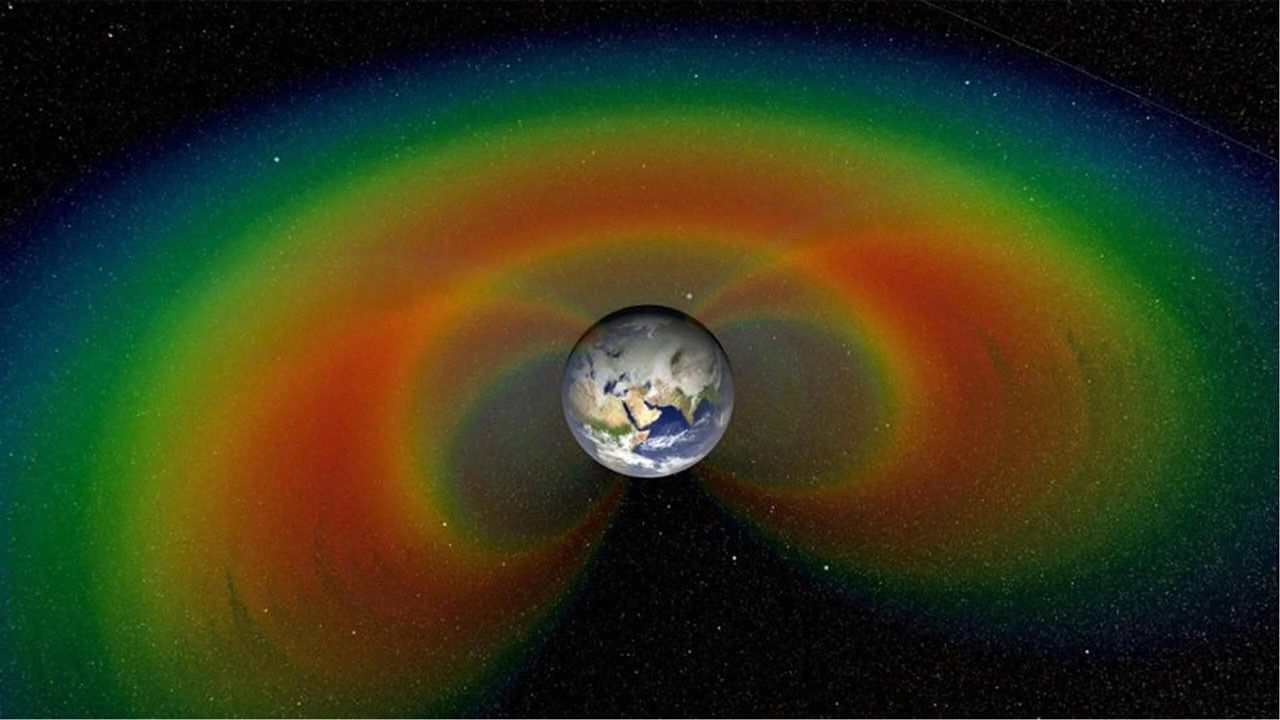
A New Compact Instrument Enables High-Fidelity Measurements of Energetic Particles on CubeSats
A team of NASA-sponsored scientists and engineers has developed a novel approach to observing high-energy particles in the near-Earth space environment, incorporating miniaturized sensors into a compact, multi-view particle detection instrument unlike any before it. Built for NASA’s Relativistic Electron Atmospheric Loss (REAL) CubeSat mission, the innovative instrument (also called REAL) enables more complete measurements […]

UK and Florida commit $400,000 to joint space projects
The British government and Florida’s space-focused economic development agency have each committed $200,000 to support joint research, innovation and commercialization projects.

German component supplier deltaVision raises 10.2 million euros
German spacecraft component developer deltaVision has raised 10.2 million euros ($11.6 million) to expand production of valves and related equipment, with a focus on enabling in-space refueling.
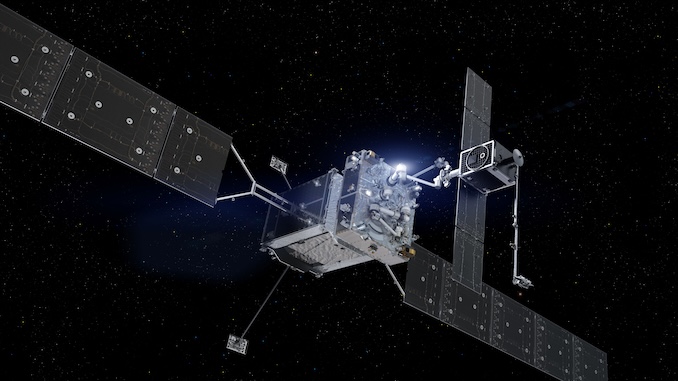
Live coverage: SpaceX to launch novel geosynchronous robotic servicing satellite on decade-long mission
Northrop Grumman’s Mission Robotic Vehicle features the Robotic Servicing of Geosynchronous Satellites (RSGS) payload from the U.S. Naval Research Laboratory and DARPA. Liftoff from pad 40 at Cape Canaveral Space Force Station is scheduled during a four-hour window that opens at 5:15 p.m. EDT (2115 UTC).
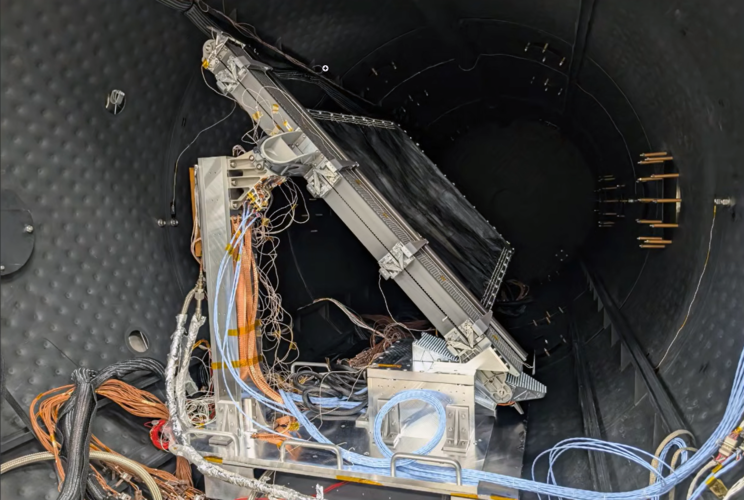
ExoMars ramps put up with cold, shaking and vacuum
From the ESA Blogs.
Source: Spaceflight News API — served from the SpaceRocket launch database.