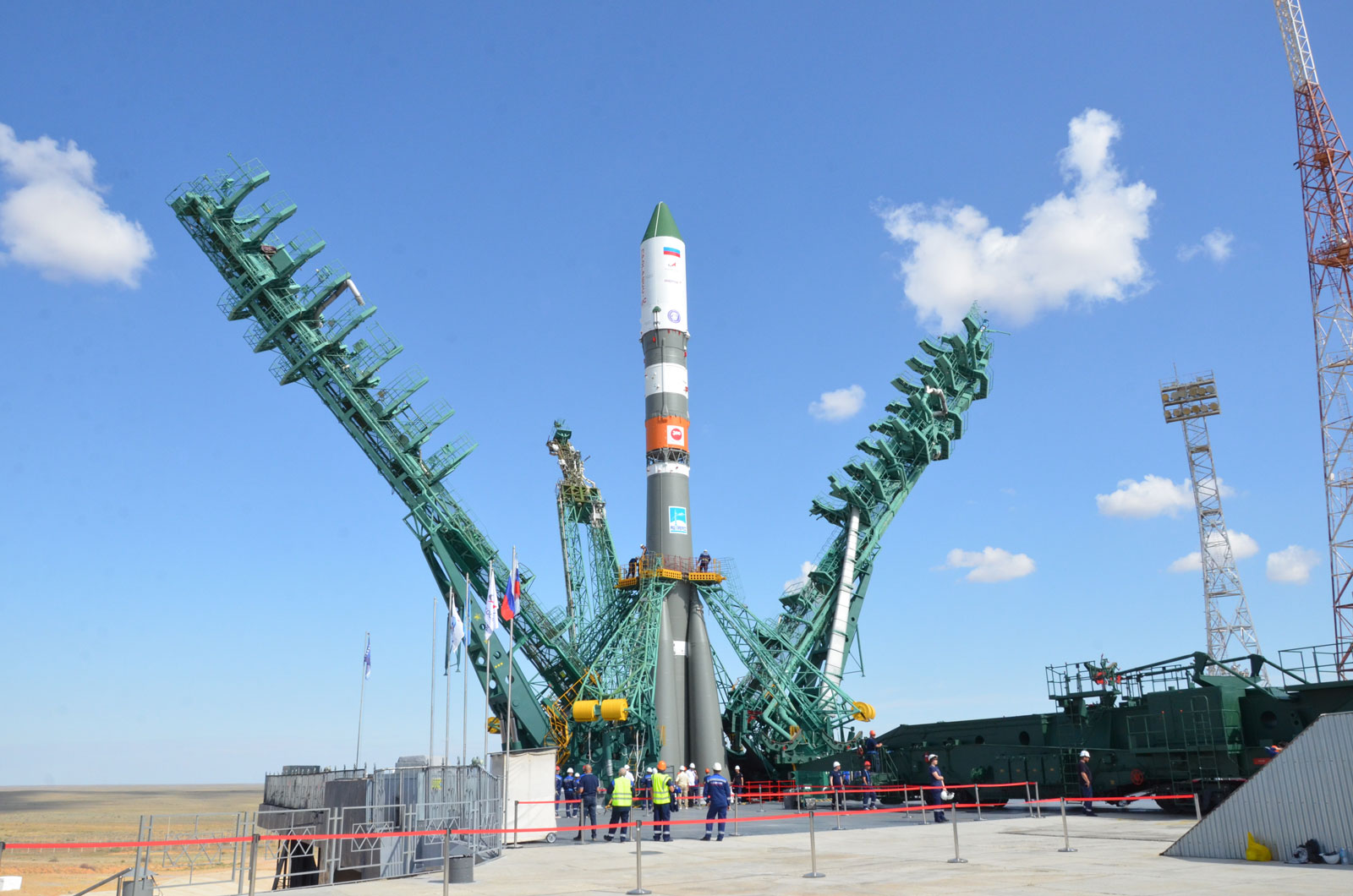
The Soyuz 2.1A converted the flight control system from analog to digital, which allowed launch from fixed platforms. It also allowed big fairings and payloads. It is currently used for crewed Soyuz and Progress flights to the ISS.
The Soyuz 2.1a is a Russian launch vehicle manufactured by the Progress Rocket Space Center, a company known for building Soyuz launch vehicles. It belongs to the Soyuz 2 branch of the wider Soyuz family, whose own flight history stretches back to 1965 according to SpaceRocket's database. The defining change introduced with the 2.1a variant was the conversion of the flight control system from analog to digital. This modernization permitted launches from fixed platforms and made it possible to accommodate larger payload fairings and, consequently, larger payloads. The vehicle remains active in service today and is currently used for crewed Soyuz missions and Progress cargo flights to the International Space Station, placing it at the center of Russia's ongoing human spaceflight and station resupply operations.
The Soyuz 2.1a stands 46.3 meters tall with a diameter of 2.95 meters and a launch mass of 312 tonnes. In terms of lift capability, it can deliver up to 7,020 kilograms to low Earth orbit and 2,810 kilograms to a geostationary transfer orbit. The vehicle is not reusable; no landing attempts, successful or otherwise, are recorded for it, which is consistent with the expendable architecture of the broader Soyuz line. The digital flight control system adopted in this variant, replacing the analog system of its predecessors, is its principal technical distinction, enabling the operational flexibility described above, including the use of enlarged fairings. These characteristics position the 2.1a as a medium-lift vehicle suited both to station logistics and crew transport missions and to medium-class satellite deployments.
The Soyuz 2.1a conducted its maiden flight on 4 November 2004. According to SpaceRocket's database, the variant has accumulated 58 launches, of which 57 were successful and one ended in failure, yielding a success rate of roughly 98 percent. No landing attempts of any kind have been made, as the vehicle is expended after each flight. On the numbers alone, the 2.1a presents a strong reliability record: a single failure across more than fifty flights, combined with its continued assignment to crewed Soyuz and uncrewed Progress missions to the International Space Station, indicates that operators regard it as a dependable workhorse within the Soyuz 2 series. Its longevity since 2004 and its active status further suggest that the digital-control modernization it introduced has proven durable in practice rather than merely on paper, and that the vehicle remains a core element of Russian launch operations nearly two decades after its debut.
Sources: Launch Library 2 (TheSpaceDevs) · Wikipedia (CC BY-SA 4.0)