
Soyuz 2.1a vs Electron
The Soyuz 2.1a and Rocket Lab's Electron represent two eras of small-to-medium lift. Soyuz descends from the most-flown rocket family in history — a kerolox design lineage dating to 1957, refined over thousands of launches. Electron is the commercial era's answer: a small, carbon-composite, 3D-printed-engine launcher built for dedicated smallsat rides, now recovering its boosters by parachute.
They rarely compete for the same payload today, but together they show how the reliable-workhorse formula has evolved across sixty years of launch vehicle design.
| Metric | ||
|---|---|---|
| LEO Capacity(kg) | 7,020 | 300 |
| GTO Capacity(kg) | 2,810 | — |
| Height(m) | 46.3 | 18 |
| Diameter(m) | 2.95 | 1.2 |
| Launch Mass(t) | 312 | 13 |
| Total Launches | 58 | 95 |
| Success Rate | 98% | 96% |
| Landing Success | — | 78% |
| Status | Active | Active |
| Reusable | Expendable | Expendable |
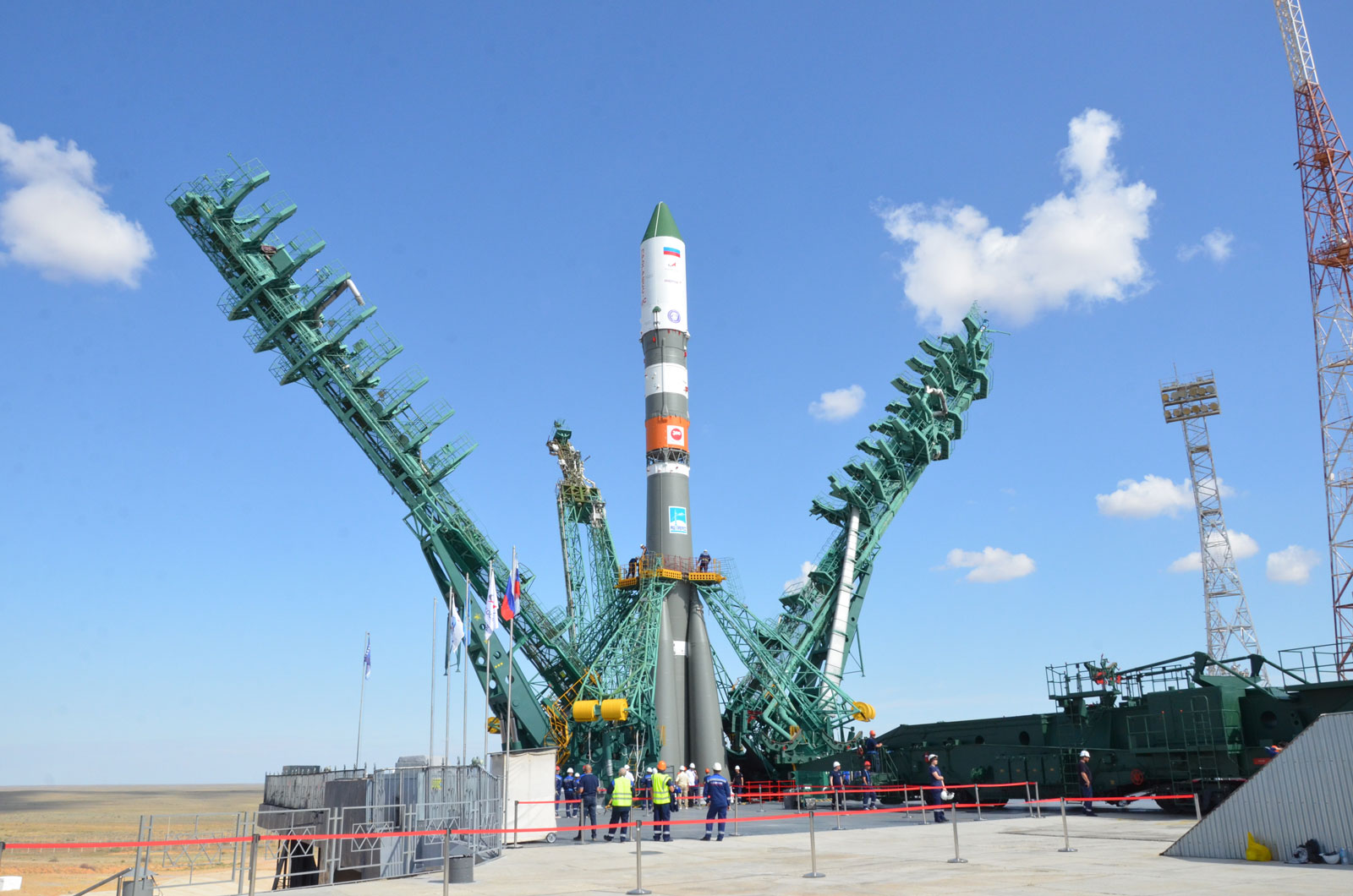
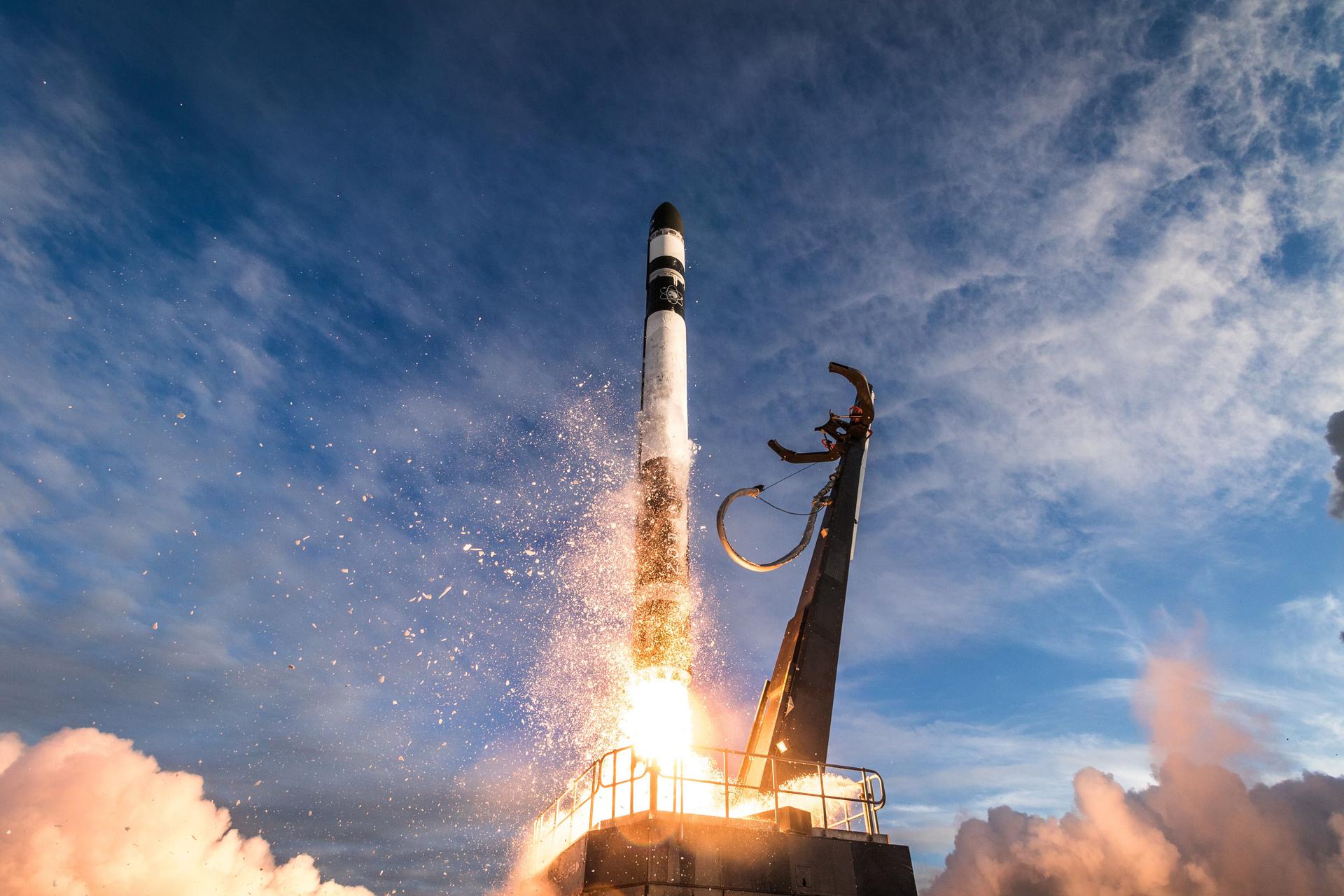
Head-to-head charts
Payload capacity(metric tons)
Size
Launch record
The short answer
Soyuz is the refined endpoint of 20th-century expendable design; Electron is the small launcher re-imagined for the rideshare era — including partial reuse.
More in Classics & History
Data: Launch Library 2 (TheSpaceDevs) — served from the SpaceRocket launch database.