
China's Answer to Starlink: What Launch Data Shows About Guowang and Qianfan Deployment
August 10, 2026
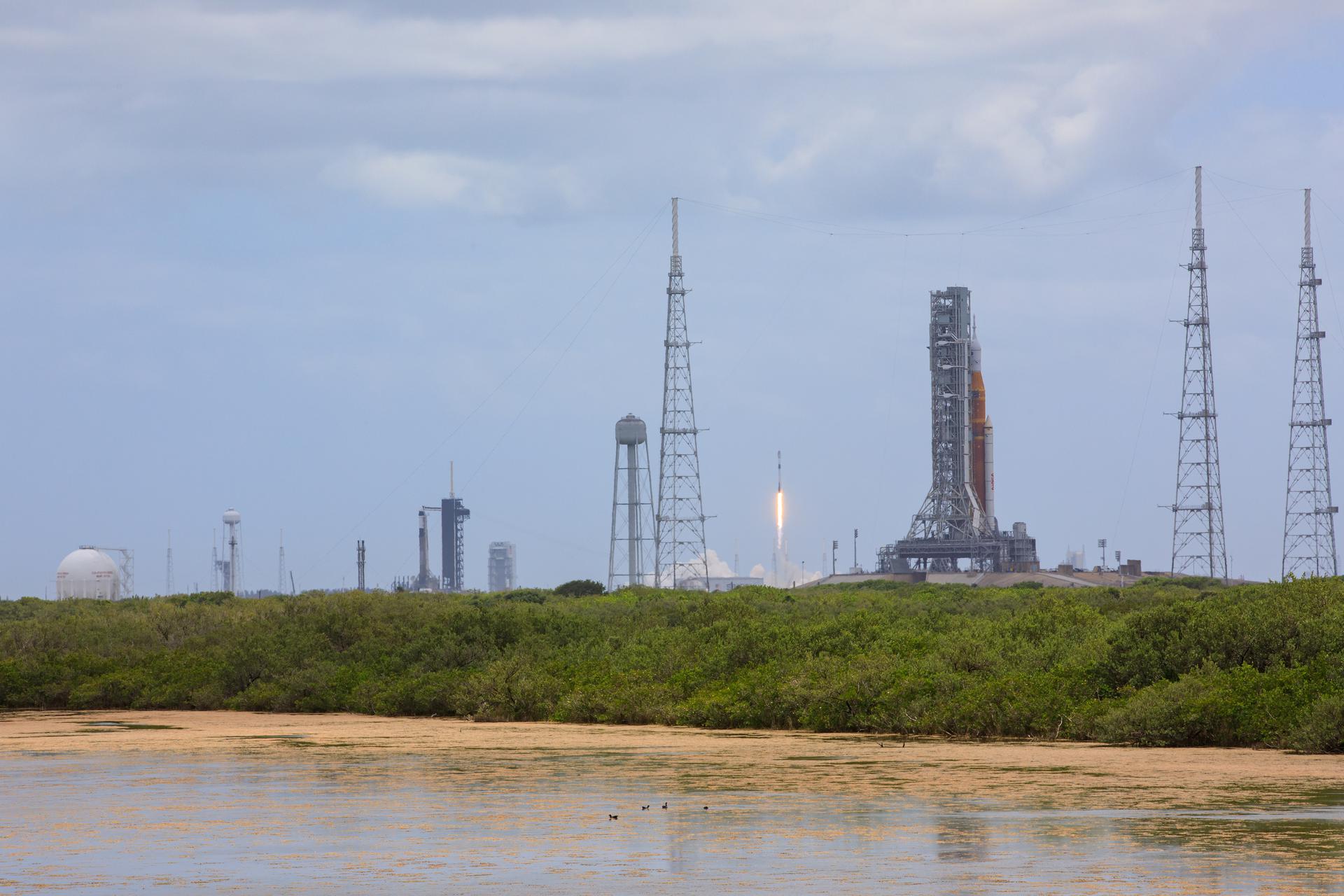
China's two planned low-Earth-orbit broadband constellations — the state-run Guowang network, operated under the SatNet name, and the Shanghai-backed Qianfan (G60) project — are routinely described as China's answer to SpaceX's Starlink. Rather than comparing announced plans, this article measures actual deployment progress using launch records from SpaceRocket's launch database: how many constellation launches have flown, on which rockets, and at what cadence.
I. Starlink: 50 launches in five months
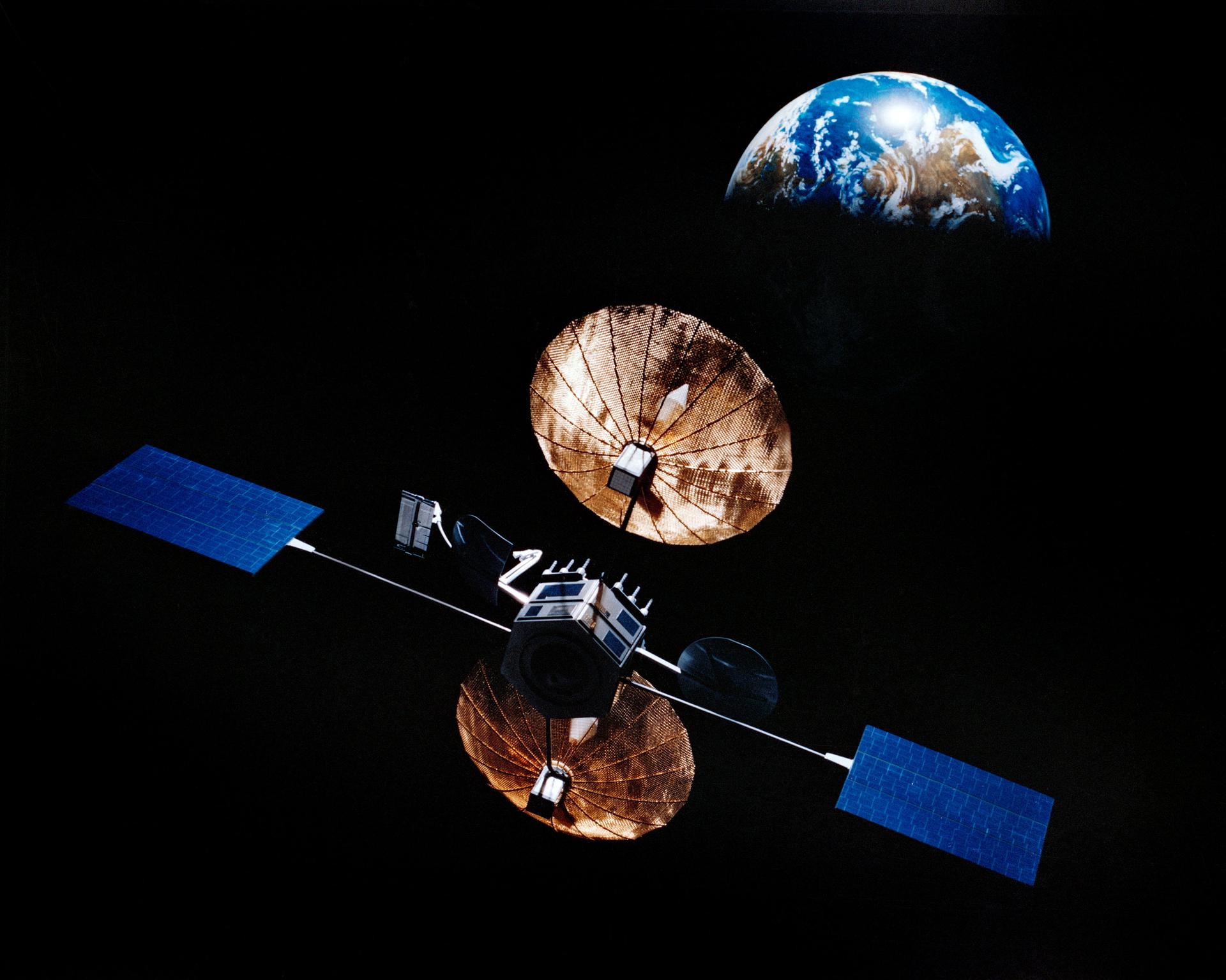
A query of SpaceRocket's launch database for Starlink missions returns 50 launches between March 1, 2026 and August 4, 2026 — and that figure is a floor, not a total, because the query is capped at the 50 most recent records. Every one of these missions flew on the Falcon 9. The cadence works out to roughly one Starlink launch every three days across the five-month window, including two days with two Starlink launches each (March 17 and July 14, 2026).
| Month (2026) | Starlink launches in database |
|---|---|
| March (from March 1) | 13 |
| April | 9 |
| May | 8 |
| June | 10 |
| July | 8 |
| August (through August 4) | 2 |
II. SatNet (Guowang): 22 launches since August 2025
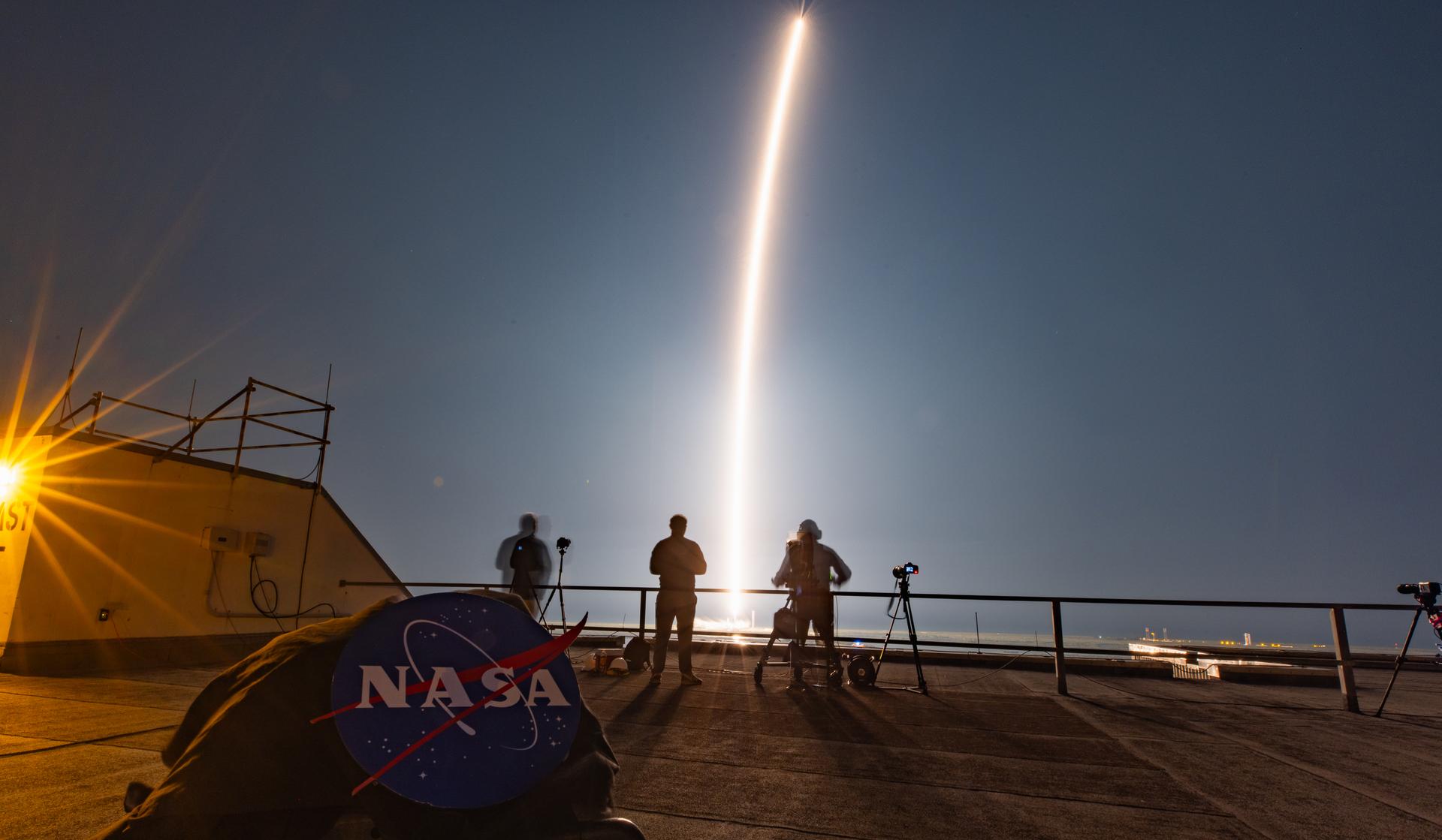
The equivalent query for China's constellation programs returns 22 launches between August 4, 2025 and June 17, 2026, all associated with SatNet. Sixteen of these are numbered deployment missions — SatNet LEO Group 07 through Group 22 — while the remaining six are test-satellite missions that together carried 19 test satellites (four missions with four satellites each, one with two, and one with a single satellite). The busiest single stretch in the record is December 2025, when four group missions (Groups 14–17) launched in 20 days. There are also notable gaps, including a roughly seven-week pause between Group 19 on January 19, 2026 and Group 20 on March 12, 2026.
| Launch vehicle | SatNet missions in database |
|---|---|
| Long March 8A | 6 |
| Long March 12 | 5 |
| Long March 6A | 4 |
| Long March 2D (test satellites) | 2 |
| Zhuque-2E / Zhuque-2E Block 2 (test satellites) | 2 |
| Long March 5B/YZ-2 | 1 |
| Long March 2C/YZ-1S (test satellites) | 1 |
| Smart Dragon 3 (test satellite) | 1 |
First SatNet mission in database window
—
Four group missions (Groups 14–17) in 20 days
—
SatNet LEO Group 19
—
Group 20 after a ~7-week gap
—
—
Two Starlink launches in one day
Zhuque-2E Block 2 test flight (payload naming disputed)
—
Most recent SatNet record in database
—
—
Two Starlink launches in one day
III. Where is Qianfan in the data?
Notably, no launch in SpaceRocket's database carries a Qianfan or G60 mission designation, even though the query explicitly searched for those names. One data point sits at the boundary: the June 9, 2026 Zhuque-2E Block 2 flight is logged in SpaceRocket's database as "2 x SatNet DTC test satellites," while the launch provider LandSpace's own announcement of the same mission describes the payloads as a Qianfan DTC satellite and a China Mobile satellite. Readers should treat the naming of that mission as unresolved. What the database does show clearly is that, of the two Chinese programs, only SatNet has a sustained, numbered deployment campaign in the record.
IV. Side-by-side comparison
| Metric | Starlink (SpaceX) | SatNet / Guowang (China) |
|---|---|---|
| Launches in database window | 50 (capped by query limit) | 22 (all matching records) |
| Window covered | March 1 – August 4, 2026 | August 4, 2025 – June 17, 2026 |
| Numbered deployment missions | 50 (Starlink Group missions) | 16 (LEO Group 07–22) |
| Test-satellite missions | 0 in window | 6 missions, 19 satellites |
| Launch vehicles used | 1 (Falcon 9) | 8 distinct vehicle designations |
| Overlapping window March–June 2026 | 40 launches | 7 launches |
V. Reading the gap
In the directly comparable window of March through June 2026, the database records 40 Starlink launches against 7 SatNet launches — a ratio of roughly six to one. The structural difference is as striking as the numerical one. Starlink deployment rides on a single, standardized, high-cadence vehicle, the Falcon 9, while SatNet's 22 launches are spread across eight different rocket designations, from the heavy-lift Long March 5B/YZ-2 to the commercial Smart Dragon 3 and LandSpace's methane-fueled Zhuque-2E. The pattern is consistent with a program that distributes launch demand across many providers rather than concentrating it in one reusable workhorse. In Chinese-language public discussion of this topic, one widely shared analysis estimates that more than 60 percent of Chinese commercial rocket orders are tied to national constellation programs such as Guowang and Qianfan; SpaceRocket has not independently verified that figure, but the diversity of vehicles flying SatNet missions in the database is consistent with a broad supplier base.
VI. Summary and outlook
The launch record shows two programs at very different stages. Starlink is in sustained mass deployment, flying dedicated missions roughly every three days on a single rocket type. SatNet has built real momentum since August 2025 — 16 numbered group launches plus 19 test satellites — but at a fraction of Starlink's cadence and with intermittent gaps, while Qianfan has no numbered deployment campaign under its own name in SpaceRocket's database. The key indicators to watch in coming months are whether SatNet can sustain the four-per-month pace it briefly reached in December 2025, whether more commercial rockets such as the Zhuque-2E join the deployment rotation, and whether Qianfan-branded deployment missions begin appearing in the launch record. SpaceRocket will continue tracking these constellations through its launch database.