
The Complete Map of China's Commercial Rockets (2026)
August 10, 2026
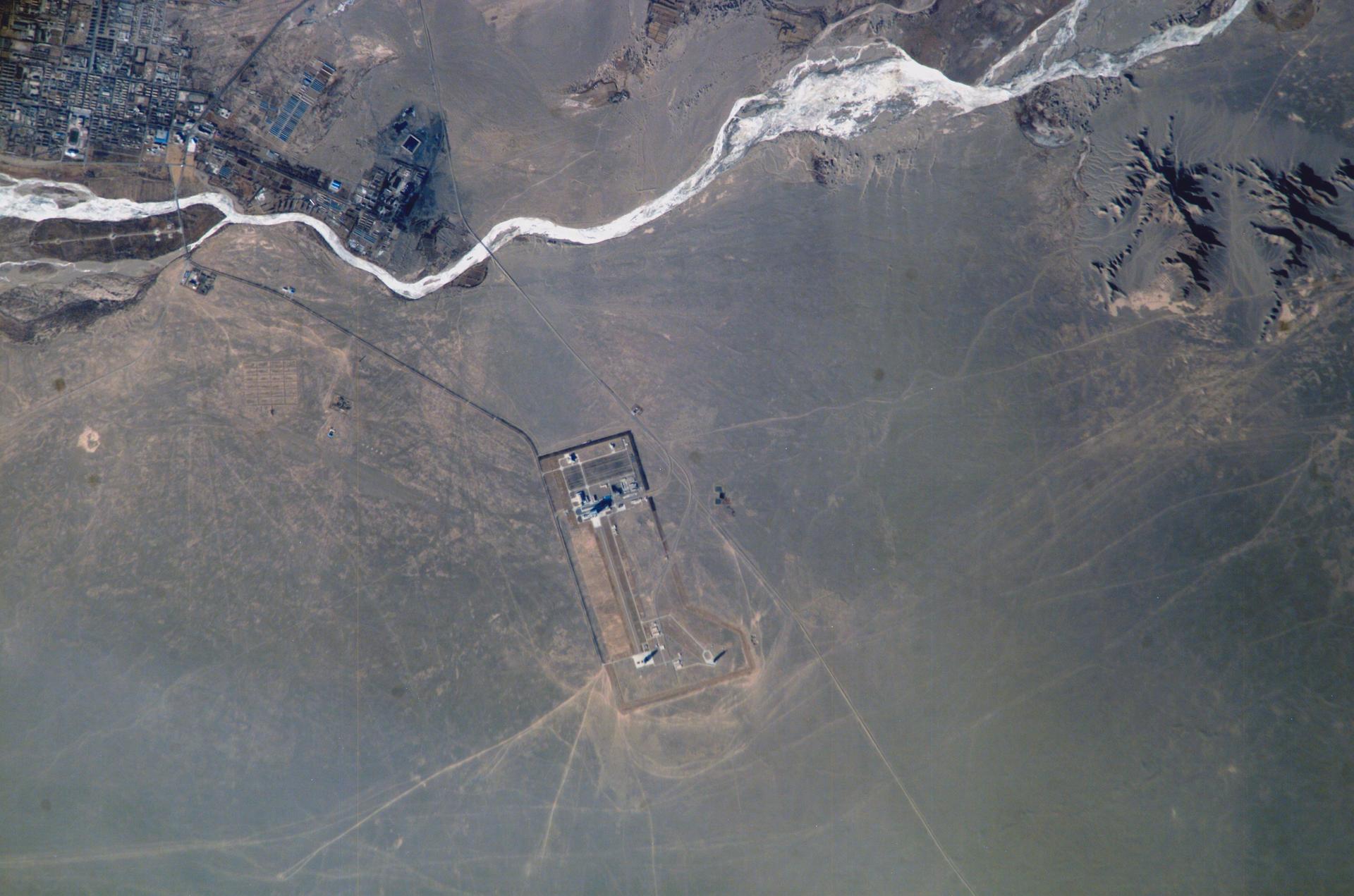
China's commercial launch sector has moved from a handful of experimental flights to a standing fleet with real flight heritage. According to SpaceRocket's launch database, eight launch vehicles operated by Chinese commercial or commercially oriented companies have now flown a combined 97 missions, with 86 successes — an aggregate success rate of roughly 89 percent. This article maps that fleet: which rockets are flying, how they compare on payload and reliability, what propellant choices dominate, and where the next generation — led by LandSpace's reusable, methane-fueled Zhuque-3 — stands as of mid-2026.
I. What Counts as a 'Commercial' Rocket in China
The line between state and commercial launch in China is blurry. Some 'commercial' players are subsidiaries of state aerospace conglomerates: ExPace, which flies the Kuaizhou family, is affiliated with CASIC, and China Rocket Co. Ltd., operator of the Smart Dragon series, is tied to CASC — the same group that builds the Long March fleet. Others are genuinely private ventures: Galactic Energy (Ceres series), i-Space (Hyperbola-1), Orienspace (Gravity-1), and LandSpace (the Zhuque family). CAS Space, maker of the Kinetica-1, sits in between as a spin-off of the Chinese Academy of Sciences. This article covers all launch vehicles in SpaceRocket's database built by these companies, regardless of ownership structure.
II. The Flying Fleet, at a Glance
The table below lists every Chinese commercial launch vehicle in SpaceRocket's database that has reached orbit or attempted orbital flight, ranked by total launches. All figures are from SpaceRocket's launch database as of the latest update.
| Vehicle | Manufacturer | First flight | Launches | Successes | LEO payload (kg) | Status |
|---|---|---|---|---|---|---|
| Kuaizhou 1A | ExPace | 2017 | 31 | 28 | 300 | Active |
| Ceres-1 | Galactic Energy | 2020 | 17 | 15 | 350 | Active |
| Kinetica 1 | CAS Space | 2022 | 15 | 14 | 2,000 | Active |
| Smart Dragon 3 | China Rocket Co. Ltd. | 2022 | 11 | 11 | — | Active |
| Hyperbola-1 | i-Space | 2019 | 8 | 4 | 300 | Active |
| Kuaizhou 11 | ExPace | 2020 | 6 | 5 | 1,000 | Active |
| Ceres-1S | Galactic Energy | 2023 | 6 | 6 | 350 | Active |
| Gravity-1 | Orienspace | 2024 | 3 | 3 | 6,500 | Inactive in database |
One early precursor is worth noting for completeness: Kaituozhe-1, flown by CASIC between 2001 and the mid-2000s, attempted three launches without a success and is long retired. The modern commercial era effectively begins with ExPace's Kuaizhou 1A in 2017 and i-Space's Hyperbola-1 in 2019.
Kaituozhe-1
CASIC precursor attempts three launches (to mid-2000s), none succeed
Kuaizhou 1A first flight
Modern commercial era begins (ExPace)
Hyperbola-1 first flight
i-Space joins the orbital club
Ceres-1 and Kuaizhou 11 debut
Galactic Energy enters; ExPace adds a heavier tier
Kinetica 1 and Smart Dragon 3 debut
CAS Space and China Rocket Co. reach orbit
Ceres-1S first flight
Galactic Energy's sea-launched derivative
Gravity-1 debut
Orienspace flies the largest Chinese commercial rocket (6,500 kg to LEO)
Zhuque-3 first flight
Reaches orbit; first-stage recovery attempt fails
Zhuque-2E sixth mission
Qianfan DTC 01 and China Mobile 02 delivered to orbit
CAS Space LQ-2 engine firing
620-second long-duration qualification test completed
Second Zhuque-3 static fire
LandSpace declares pre-launch ground verification complete
Kinetica-1 fifteenth mission
Five satellites for five customers; monthly cadence planned
III. Reading the Numbers: Who Flies, and How Well
ExPace's Kuaizhou 1A is the most-flown commercial vehicle by a wide margin, with 31 launches — nearly double the next commercial entrant — though its 28 successes give it a success rate of about 90 percent, slightly below the fleet average. Galactic Energy's Ceres-1 has flown 17 times with 15 successes (about 88 percent), while its sea-launched derivative Ceres-1S is a perfect six for six. CAS Space's Kinetica-1 stands at 14 of 15 (about 93 percent), and China Rocket Co.'s Smart Dragon 3 holds a clean 11-for-11 record, the best unblemished streak among commercial vehicles with double-digit flight counts.
On capability, the commercial fleet splits into two tiers. The light-lift tier — Kuaizhou 1A, Ceres-1/1S and Hyperbola-1, each rated around 300–350 kg to low Earth orbit — serves the small-satellite market. A heavier tier has emerged more recently: Kinetica-1 lifts 2,000 kg to LEO, Kuaizhou 11 manages 1,000 kg, and Orienspace's Gravity-1 debuted in January 2024 with a 6,500 kg LEO capacity, the largest of any Chinese commercial rocket to have flown — though SpaceRocket's database currently lists it as inactive after three successful flights. The outlier on reliability is i-Space's Hyperbola-1, with four successes in eight attempts; despite that record, the vehicle remains listed as active.
IV. The Propellant Map: Solid Everywhere, Liquids at the Frontier
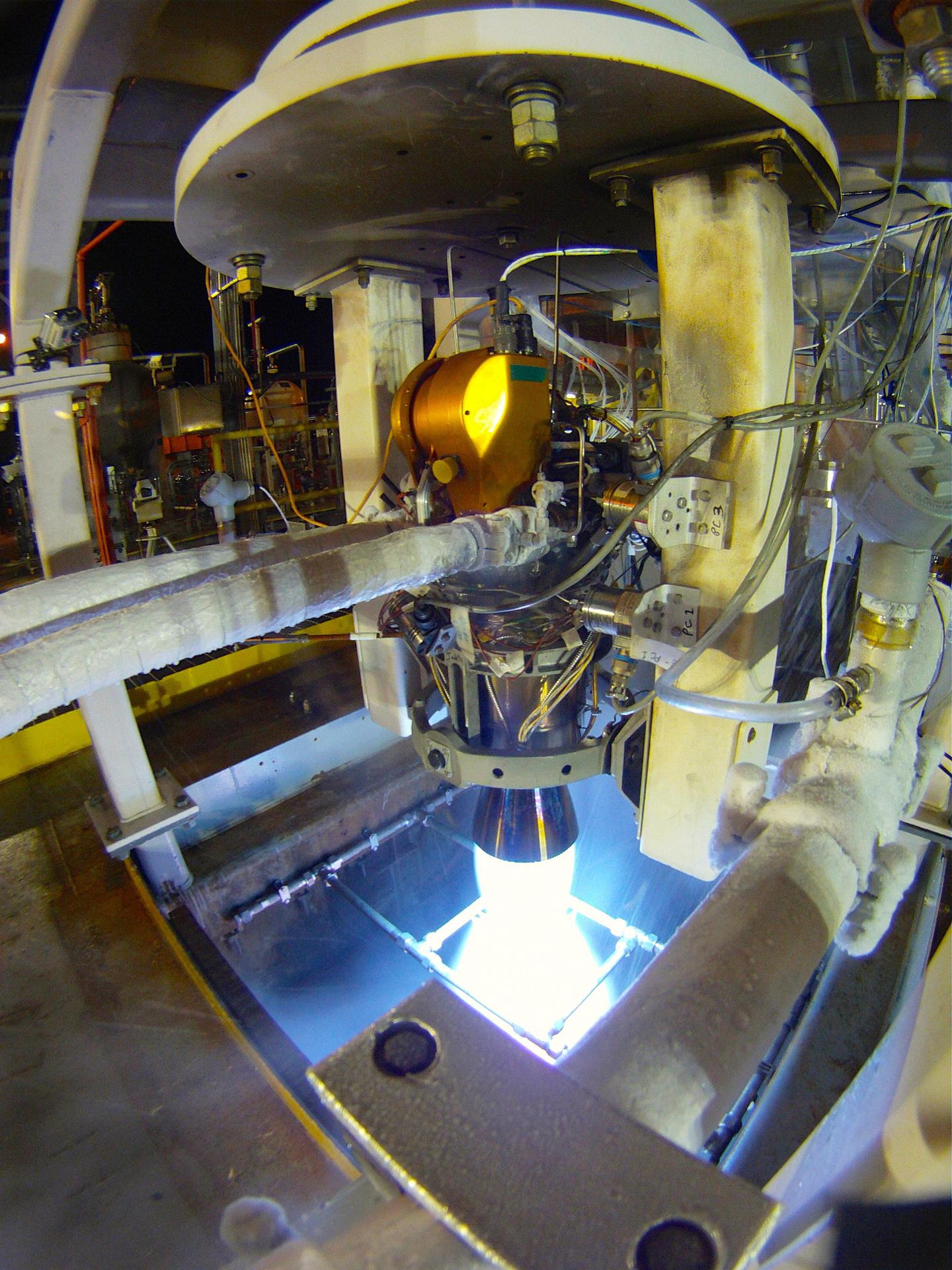
Every Chinese commercial rocket that has reached orbit to date is a solid-propellant vehicle. Solids are relatively simple to build, store and launch on short notice, which made them the natural entry point for new companies. But the industry's frontier has moved to liquid propellants, on two distinct tracks. The methane track belongs to LandSpace: its Zhuque-2, the world's first methane-fueled rocket to reach orbit, and the larger reusable Zhuque-3 both burn liquid oxygen and liquid methane. The kerosene track is being pushed by CAS Space, which in June 2026 completed a 620-second long-duration qualification firing of its in-house 110-ton-class LQ-2 pintle injector engine — a single test run of up to 400 seconds, covering 3.5 times a typical flight burn, with cumulative reliability testing exceeding 2,000 seconds, according to the company's announcement. CAS Space says the test validated pintle injector, turbopump and multiple-restart technologies, laying groundwork for reusability.
V. Spotlight: LandSpace's Zhuque Family and the Zhuque-3 Reusability Push
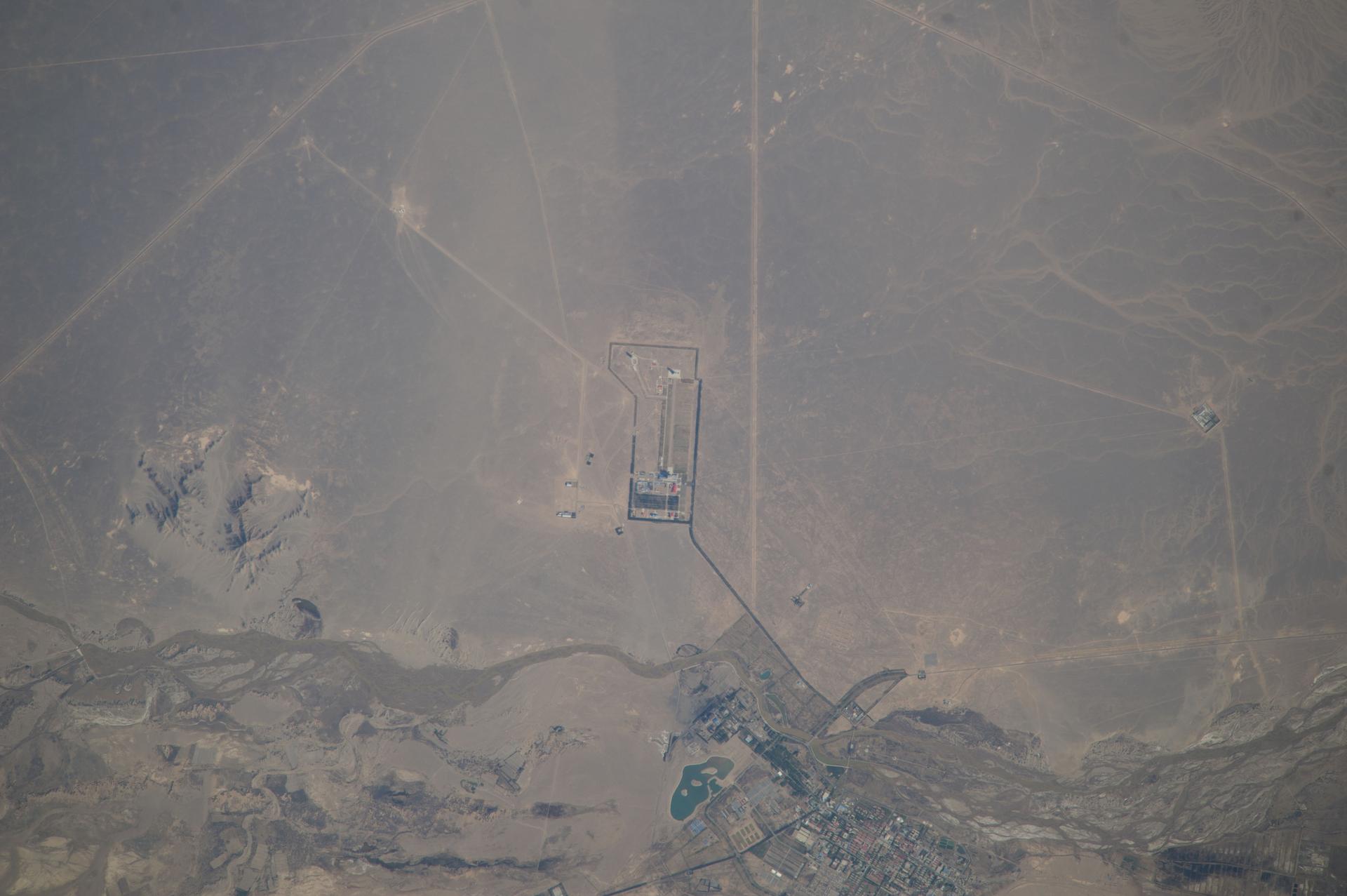
Because the Zhuque vehicles' configurations are not yet catalogued in SpaceRocket's launcher database, this section relies on LandSpace's own announcements. On June 9, 2026, the improved Zhuque-2E flew its sixth mission — the eighth flight of the Zhuque-2 series overall — from the Dongfeng Commercial Space Innovation Test Zone, delivering the Qianfan DTC 01 and China Mobile 02 satellites to their planned orbits. LandSpace describes the methane propulsion system as increasingly mature and the Zhuque-2 as supporting a higher launch cadence.
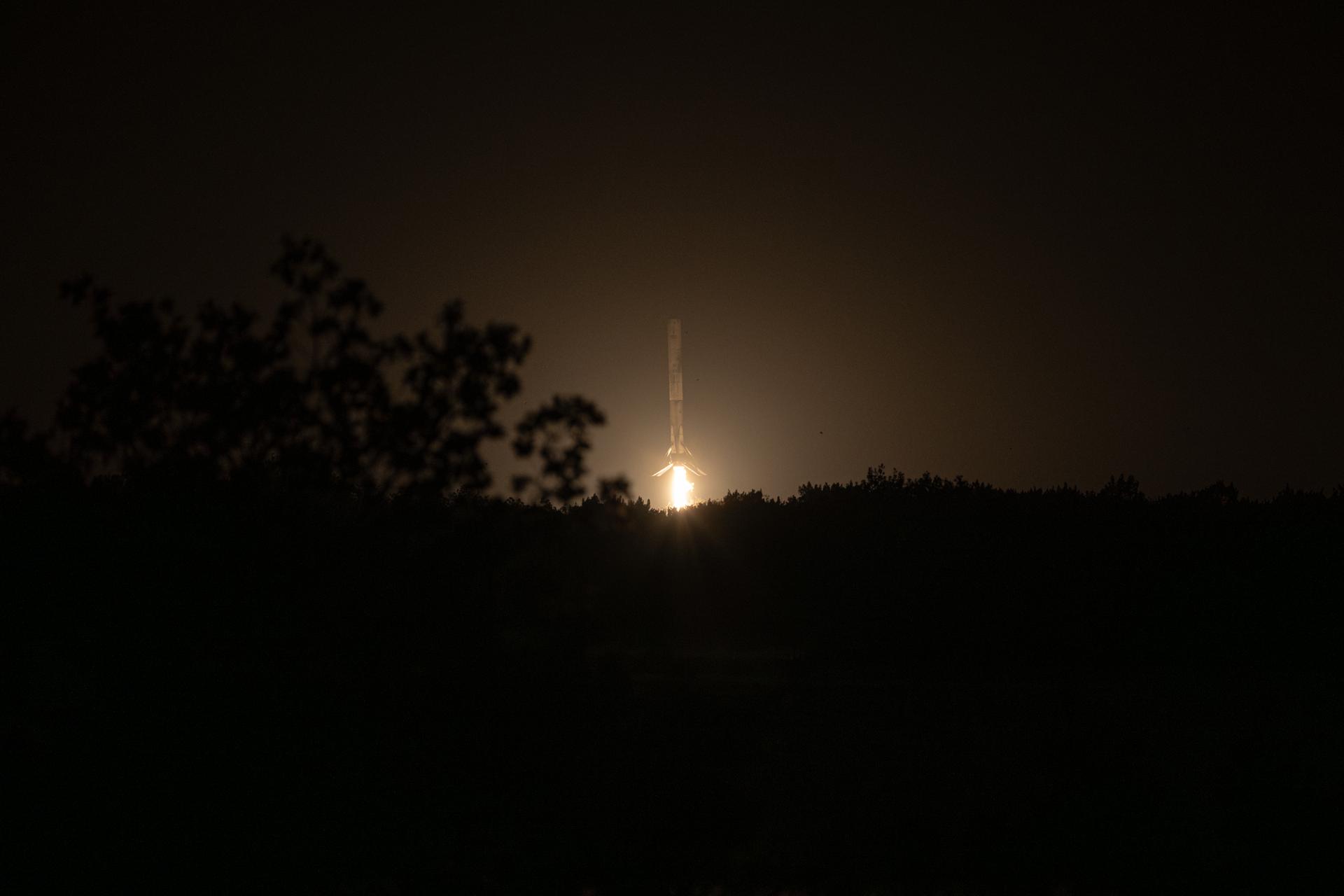
Zhuque-3, LandSpace's reusable follow-on, is the most closely watched commercial rocket in China. The type's first flight, in late 2025, reached orbit but its first-stage recovery attempt did not succeed, according to public reports discussed widely by Chinese space watchers. On June 29, 2026, LandSpace announced that the second Zhuque-3 vehicle completed a static fire test at Dongfeng, with all systems performing as expected; the company states that all key pre-launch ground verification for that vehicle is now complete and launch preparations are proceeding. A successful booster recovery would make Zhuque-3 the first Chinese rocket — commercial or state — to achieve it, which is why industry observers regard it as the country's closest contender for operational reusability.
VI. Who Is Buying: Constellations Anchor the Demand Side
Chinese space-industry discussion consistently points to national satellite-internet megaconstellations — the Qianfan (Thousand Sails) project and the state Guowang network — as the anchor customers keeping commercial launch providers busy, with international customers still a small share. The flight record supports this: the June 2026 Zhuque-2E mission carried a Qianfan satellite, and LandSpace explicitly framed the launch as serving the national satellite-internet project. Meanwhile, the small-lift end of the market runs on rideshare economics. CAS Space reports that Kinetica-1 has now served more than 30 customers, including six international ones, across more than ten payload categories from remote sensing to quantum communications; its fifteenth mission on July 24, 2026 carried five satellites for five different customers, and the company says it is shifting to monthly launches in the second half of 2026.
VII. Commercial vs. State Fleet: Still a Scale Gap
For all the commercial sector's growth, SpaceRocket's database shows how far it trails the state Long March fleet in raw volume. The Long March 2D alone has flown 100 times; the Long March 3B/E has 78 launches and the Long March 2C has 65. All eight flying commercial vehicles combined, at 97 launches, roughly match the single most-used Long March variant. The commercial sector's role is different, however: it dominates responsive small-satellite launch, has pioneered methane propulsion in China, and — if Zhuque-3's recovery campaign succeeds — will likely deliver the country's first reusable orbital rocket, ahead of comparable state programs that are also pursuing first-stage recovery.
VIII. Outlook: 2026–2027 as the Reusability Inflection Point
The next 12 to 18 months will test whether China's commercial sector can graduate from expendable solid rockets to reusable liquid ones. Three milestones to watch: first, the second Zhuque-3 flight, for which ground verification is complete and which will again attempt first-stage recovery; second, whether CAS Space can convert its LQ-2 engine testing into a flying reusable kerolox vehicle; and third, whether Gravity-1 — the highest-capacity commercial rocket flown to date — returns to activity. On the demand side, continued Qianfan and Guowang deployment should keep order books filled regardless of which technical bets pay off. SpaceRocket's launch database will track each of these vehicles as new flights are logged.