
Long March 5B vs Falcon Heavy
The Long March 5B and the Falcon Heavy are the two heaviest-lift vehicles flying today outside the super-heavy test programs — and they could not be more different in purpose. The 5B is a specialist: a one-and-a-half-stage rocket built to haul 20-plus-tonne space station modules to low Earth orbit, which it did for China's Tiangong station. Its core stage reaches orbit with the payload, a design choice that has repeatedly drawn attention for uncontrolled reentries.
The Falcon Heavy is a generalist: three Falcon 9-derived cores whose combined energy can send heavy payloads to high orbits and deep space — from the 2018 Roadster demo flight to NASA science missions. Its side boosters return for simultaneous landings, something no other heavy launcher attempts.
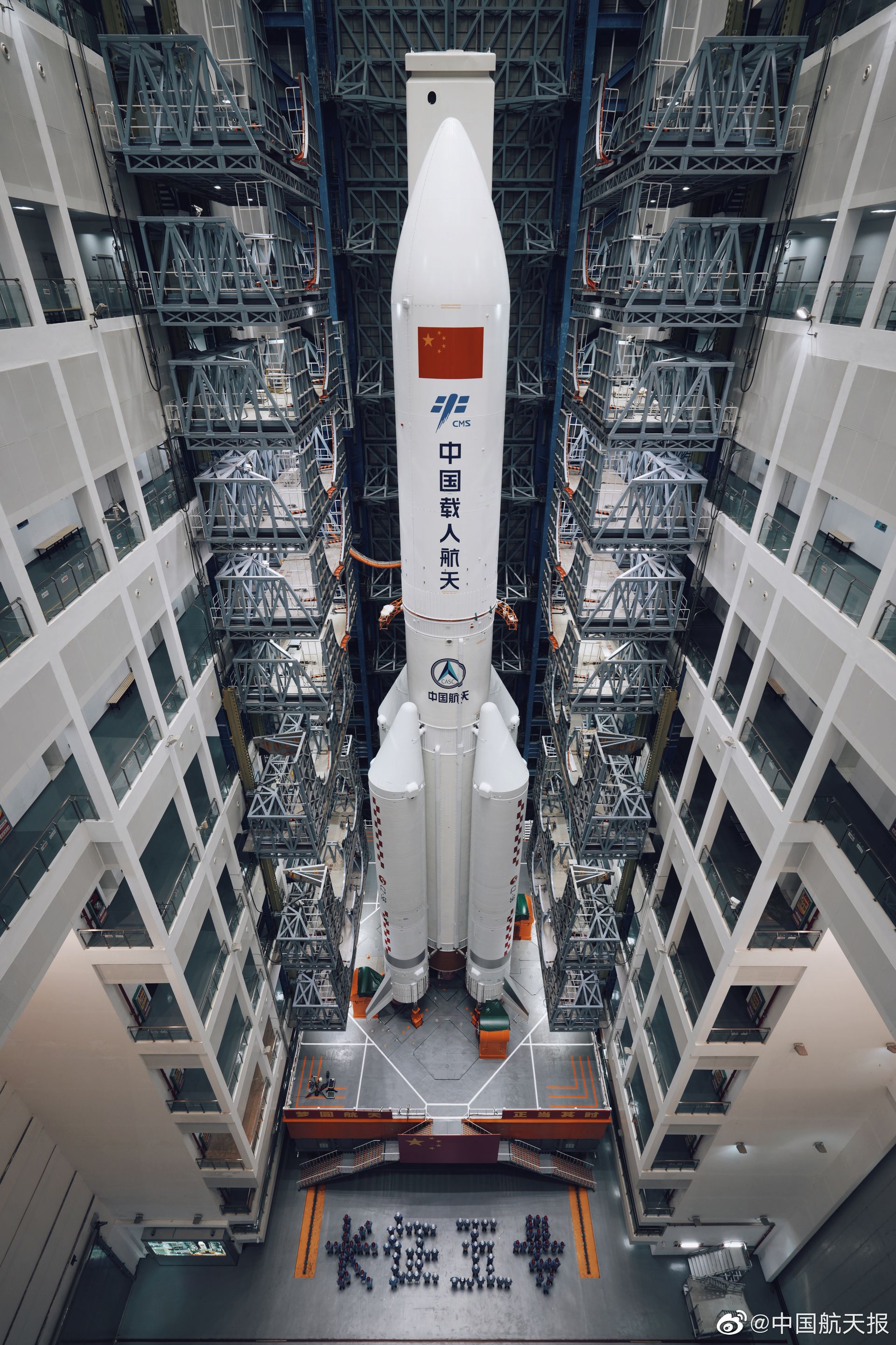


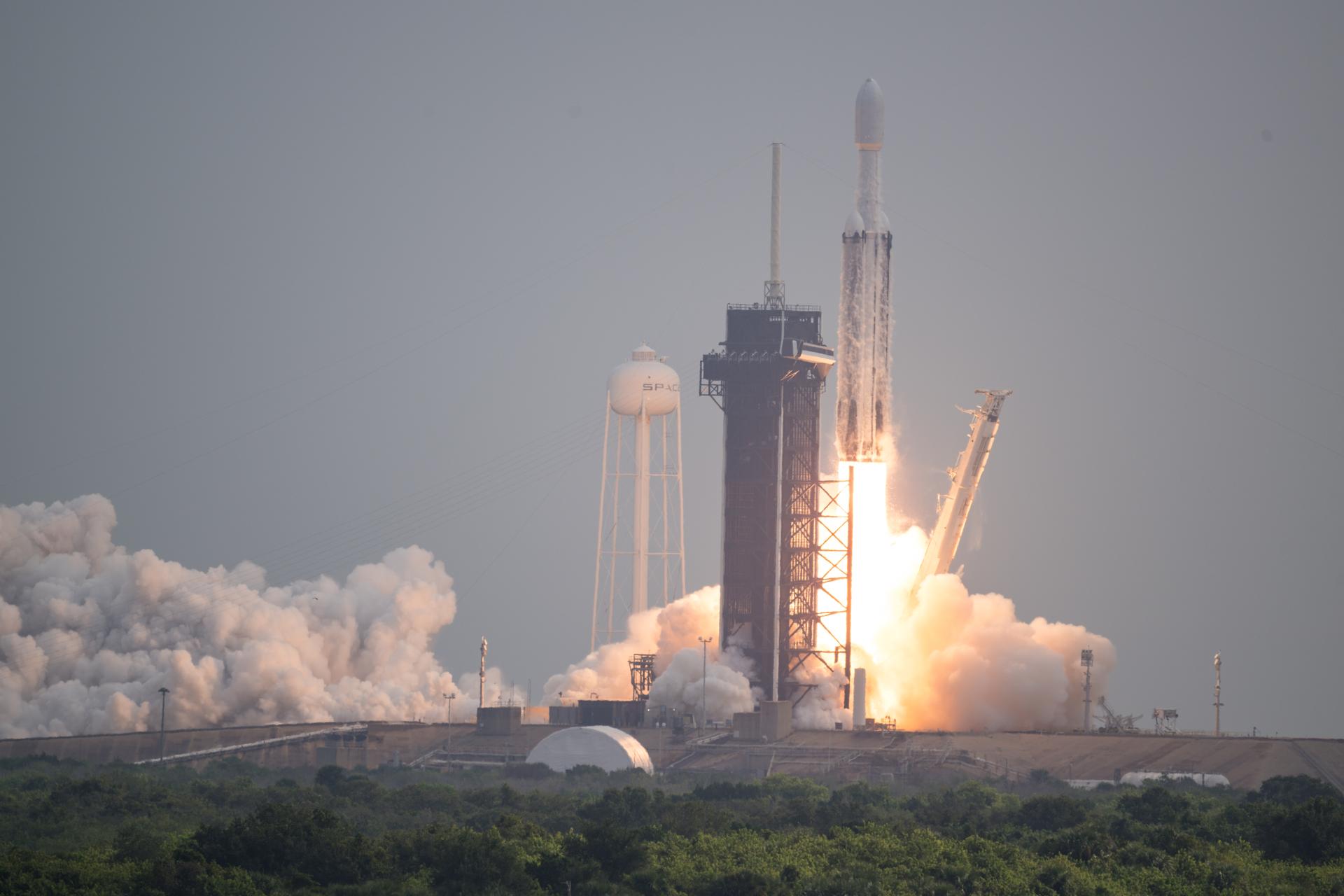
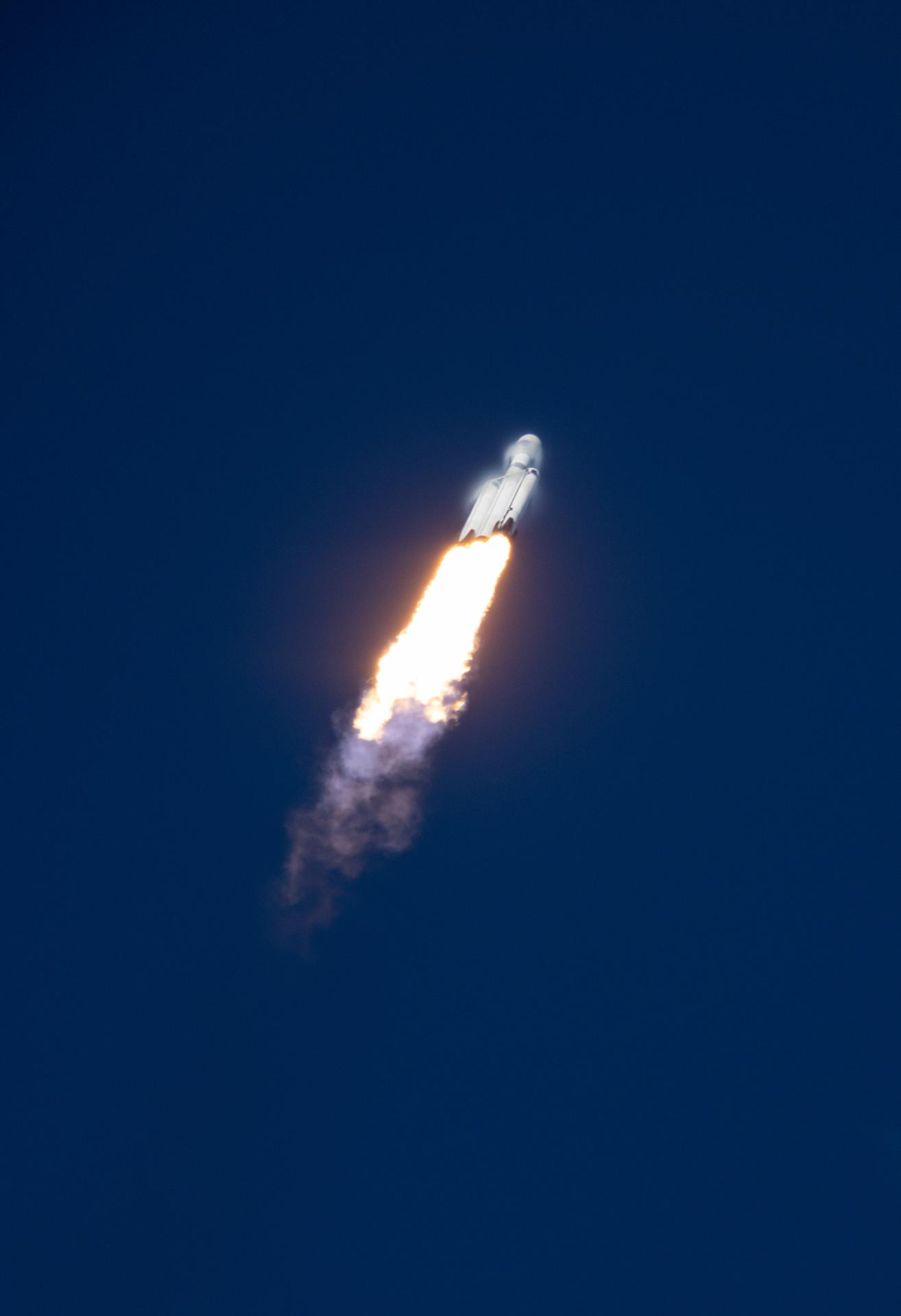
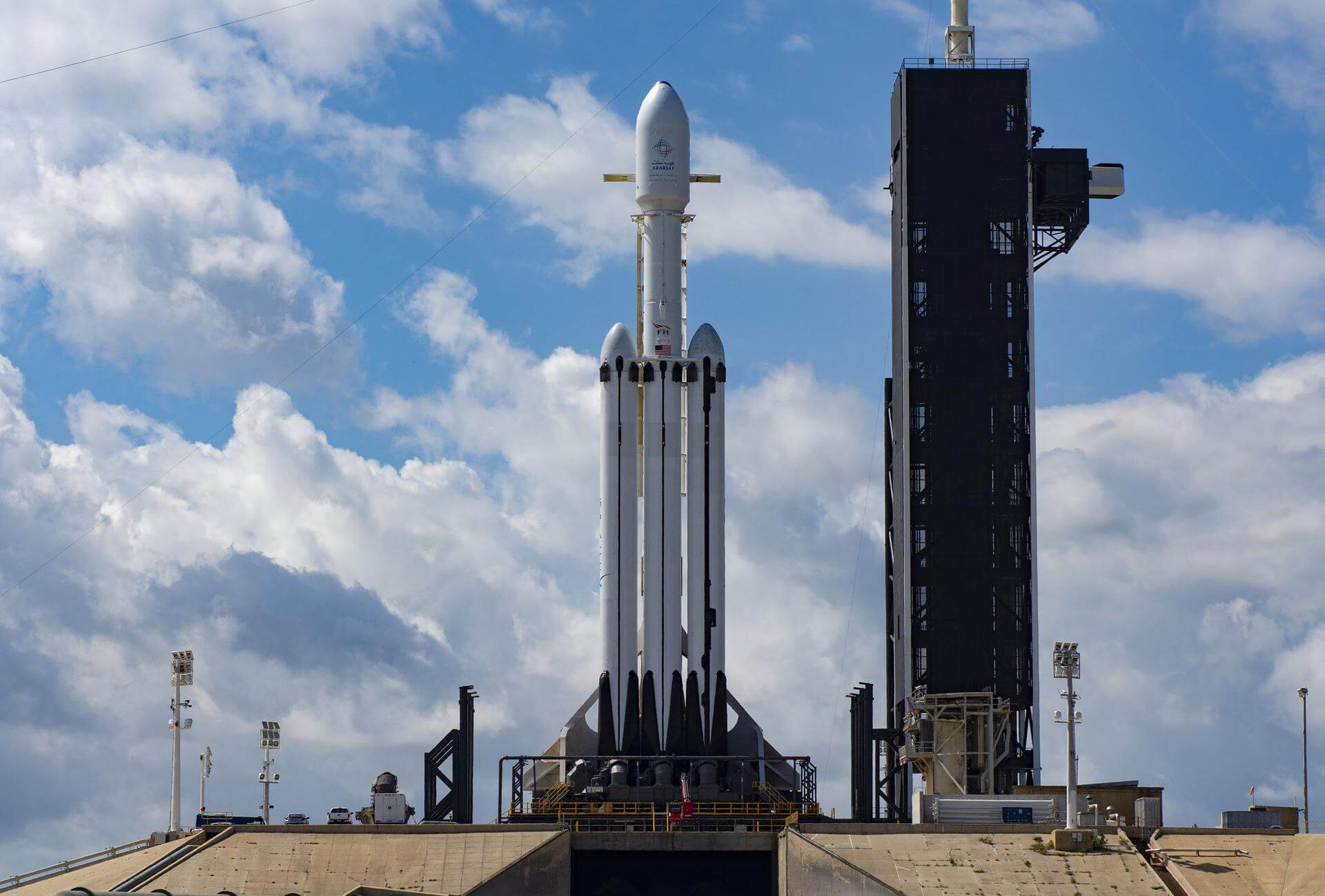
| Metric | ||
|---|---|---|
| LEO Capacity(kg) | 25,000 | 63,800 |
| GTO Capacity(kg) | — | 26,700 |
| Height(m) | 53.66 | 70 |
| Diameter(m) | 5 | 12.2 |
| Launch Mass(t) | 837 | 1,400 |
| Total Launches | 4 | 13 |
| Success Rate | 100% | 100% |
| Landing Success | — | 92% |
| Status | Active | Active |
| Reusable | Expendable | ♻ Reusable |
Head-to-head charts
Payload capacity(metric tons)
Size
Launch record
The short answer
Same weight class, different worlds: the 5B exists to build a space station in LEO; the Falcon Heavy exists to throw mass at high energy — and to bring its boosters home.
More in US–China Head-to-Head
Data: Launch Library 2 (TheSpaceDevs) — served from the SpaceRocket launch database.