
Long March 10 vs SLS
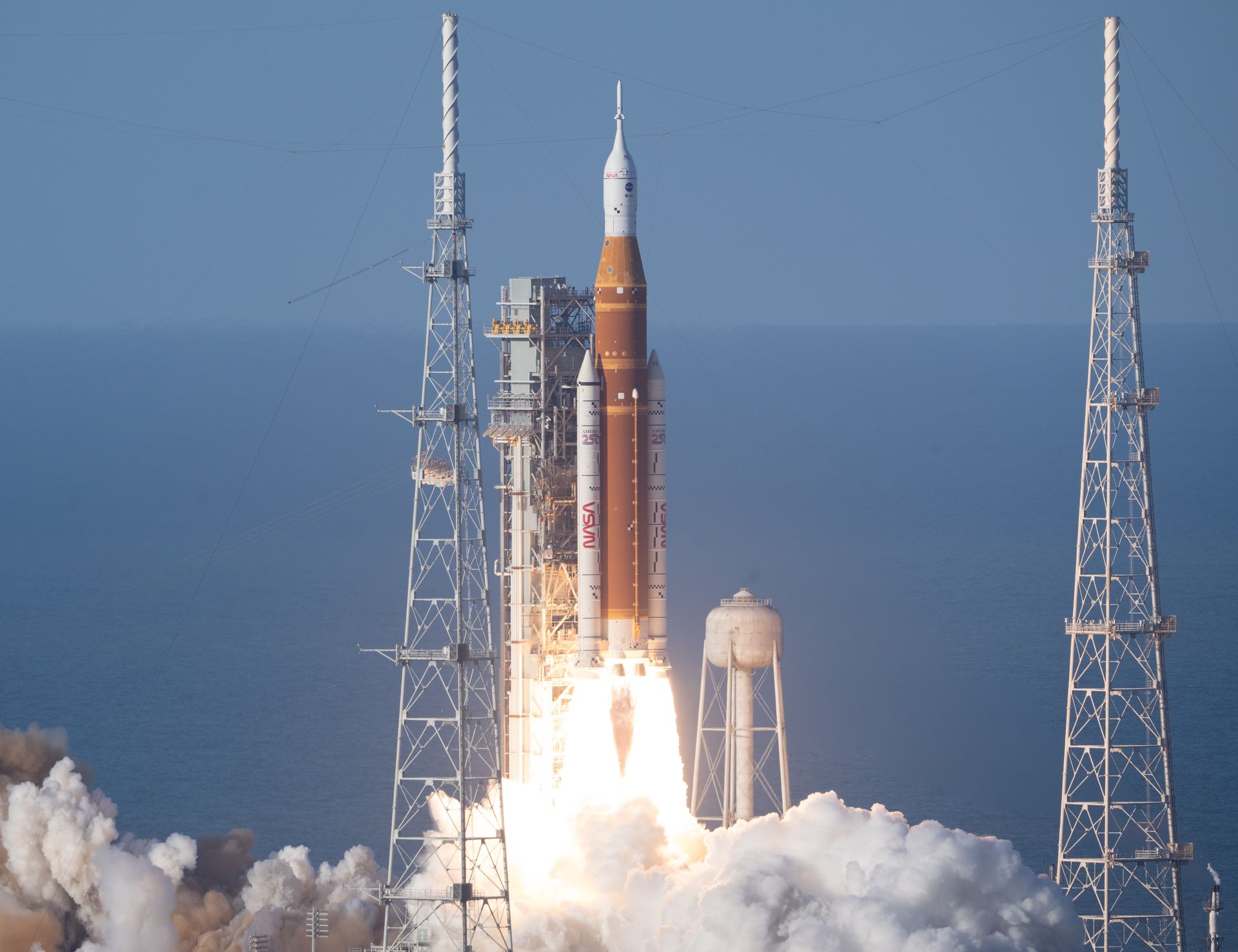
The Long March 10 and the Space Launch System are the two rockets built to take humans back to the Moon — one for China's crewed lunar program, one for NASA's Artemis campaign. The SLS Block 1 has already flown: it sent an uncrewed Orion around the Moon on Artemis I in 2022, making it the reference point every lunar rocket is measured against. The Long March 10 is China's answer — a three-core, kerosene-fuelled design derived from Long March 5 technology, sized to send a crewed spacecraft toward the Moon later this decade.
The two programs embody opposite acquisition philosophies: SLS is government-directed, fully expendable, and costs over $2 billion per flight, reusing Shuttle-era engines and boosters. The Long March 10 is newer in design and, in its planned variants, incorporates first-stage recovery — a sign of how thoroughly the reusable era has reshaped even crewed deep-space launch.
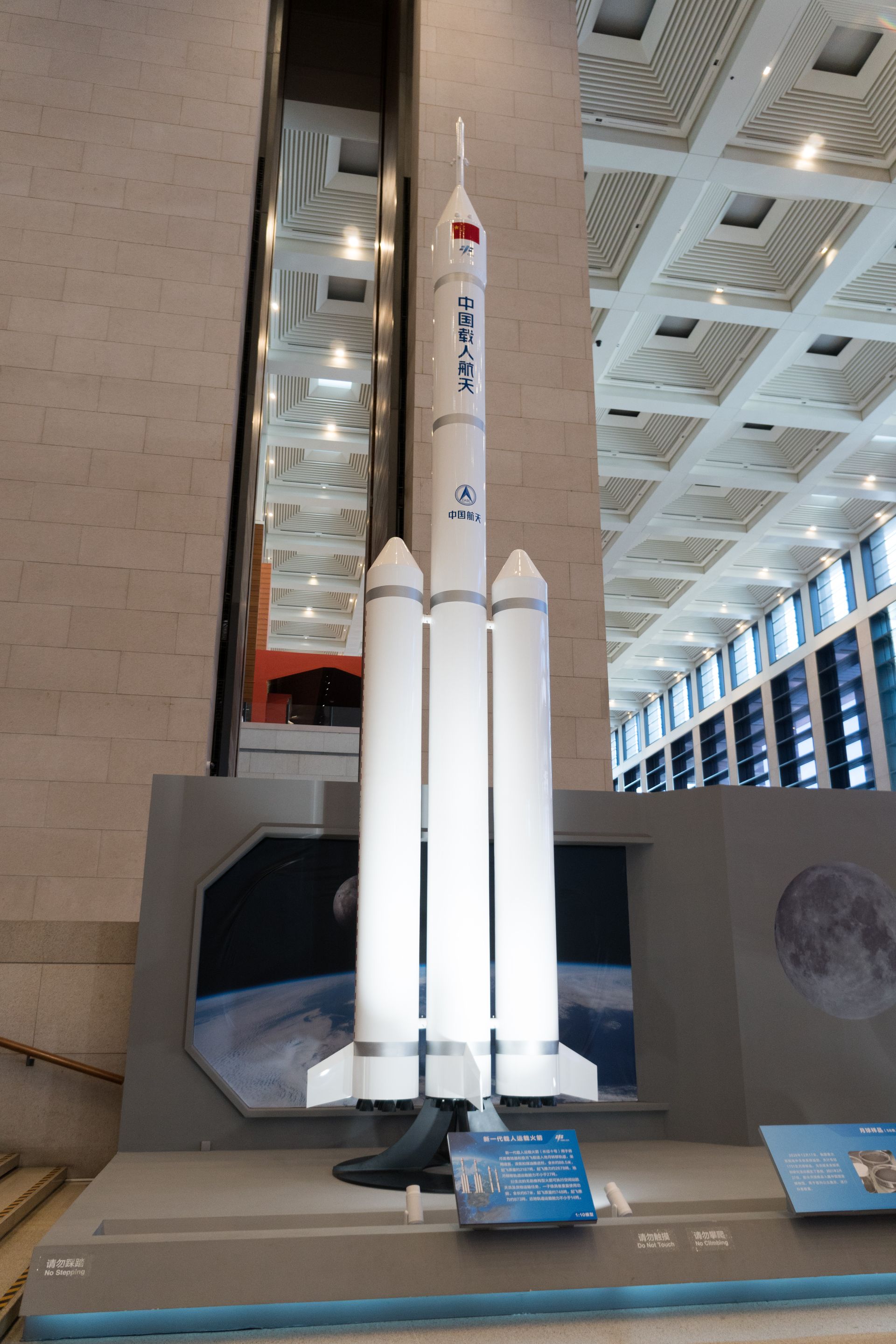


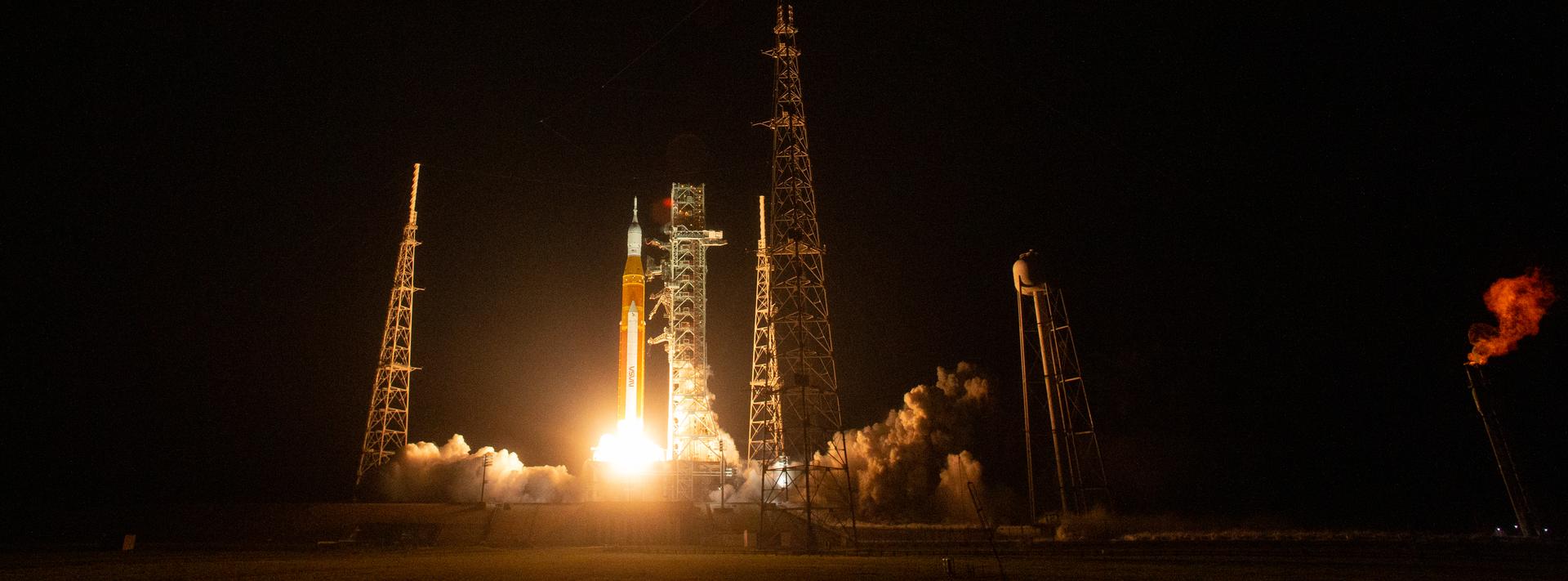
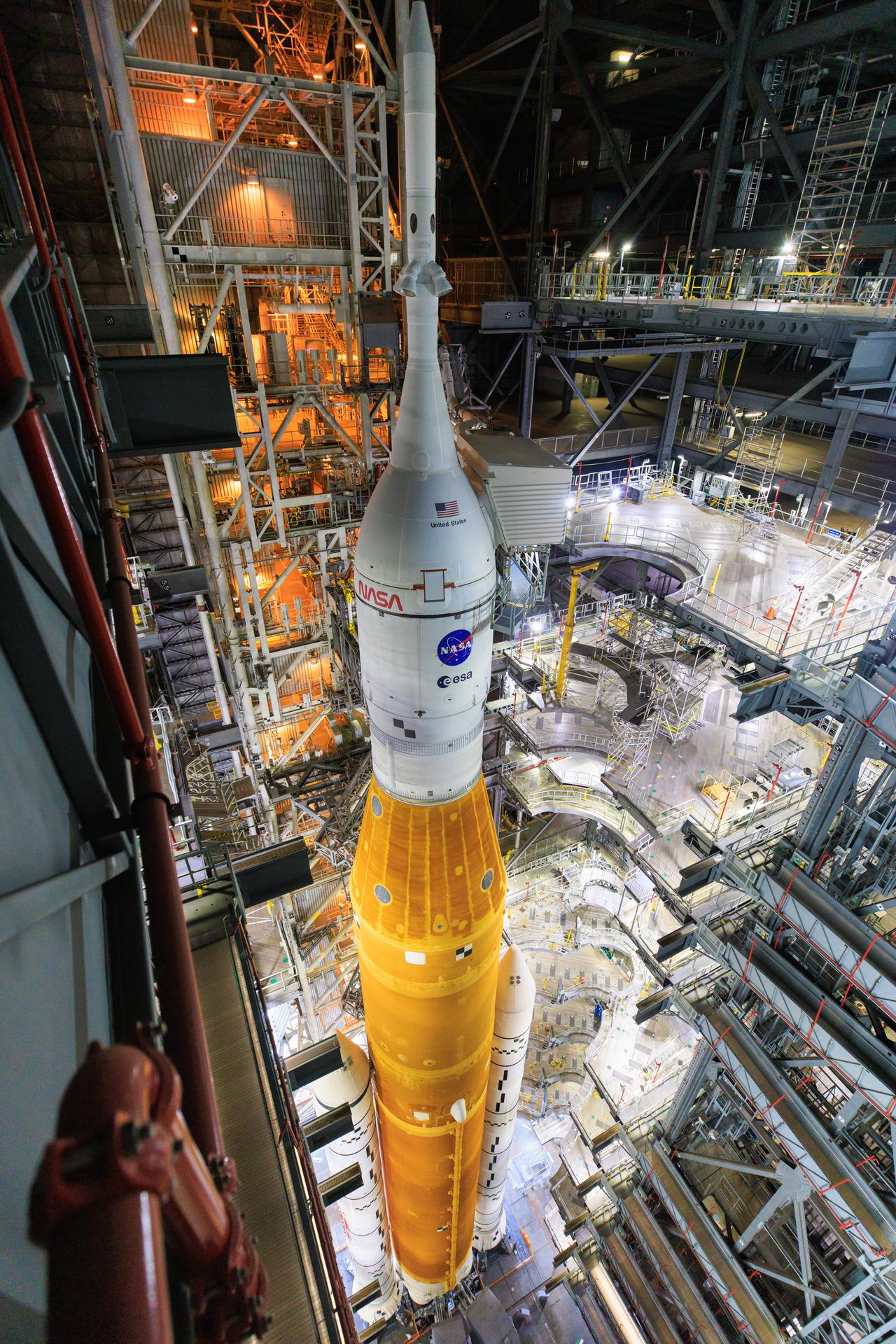
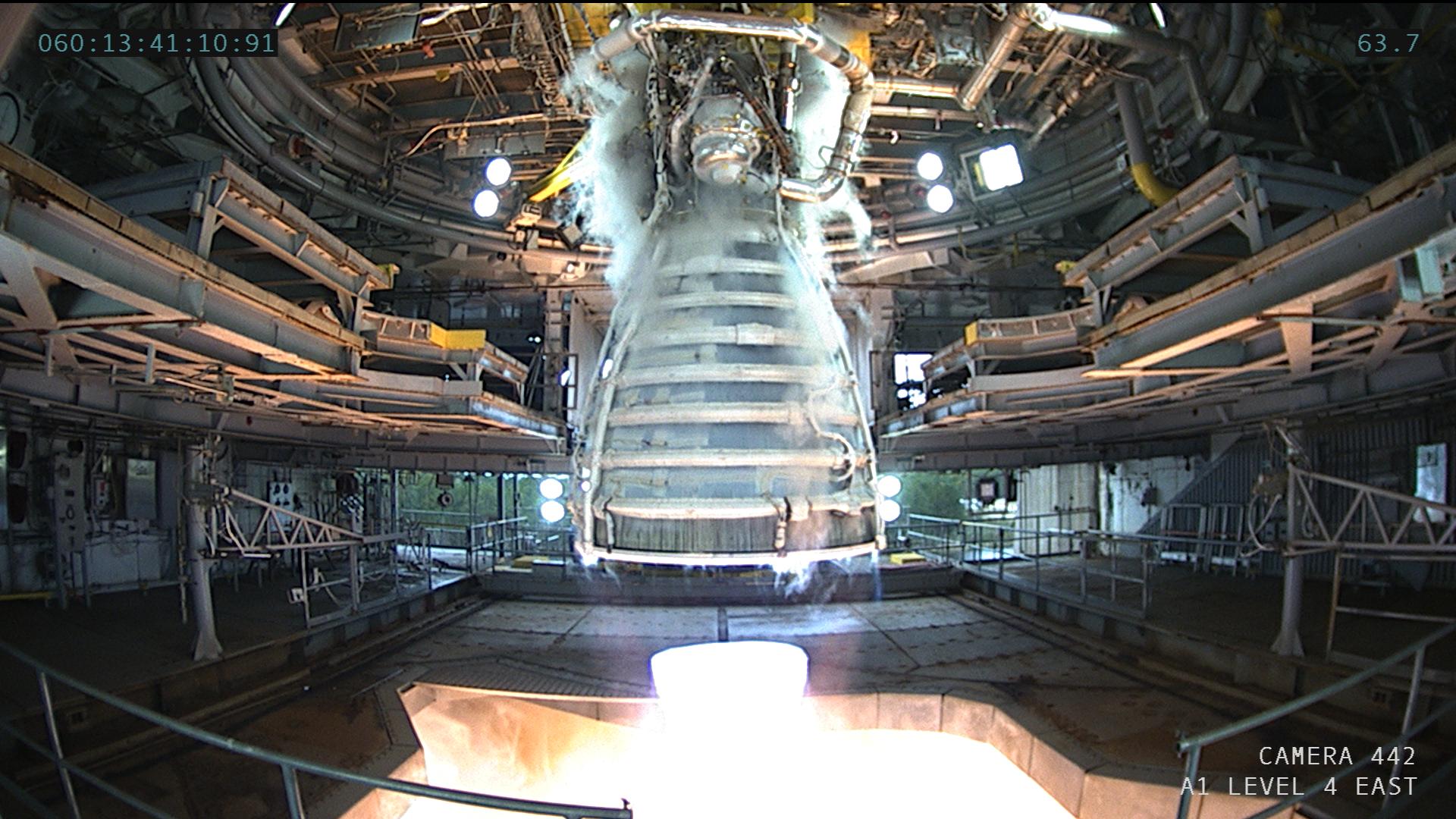
| Metric | ||
|---|---|---|
| LEO Capacity(kg) | 70,000 | 95,000 |
| GTO Capacity(kg) | — | — |
| Height(m) | 92.5 | 98 |
| Diameter(m) | 5 | 8.4 |
| Launch Mass(t) | 2,189 | 2,628 |
| Total Launches | 0 | 2 |
| Success Rate | — | 100% |
| Landing Success | — | — |
| Status | Active | Active |
| Reusable | Expendable | Expendable |
Head-to-head charts
Payload capacity(metric tons)
Size
Launch record
The short answer
SLS has flown and carries the Artemis manifest; the Long March 10 is the only other crewed-lunar rocket in serious development. The 2030 Moon race runs through this table.
More in US–China Head-to-Head
Data: Launch Library 2 (TheSpaceDevs) — served from the SpaceRocket launch database.