
Falcon 9 vs Long March 5
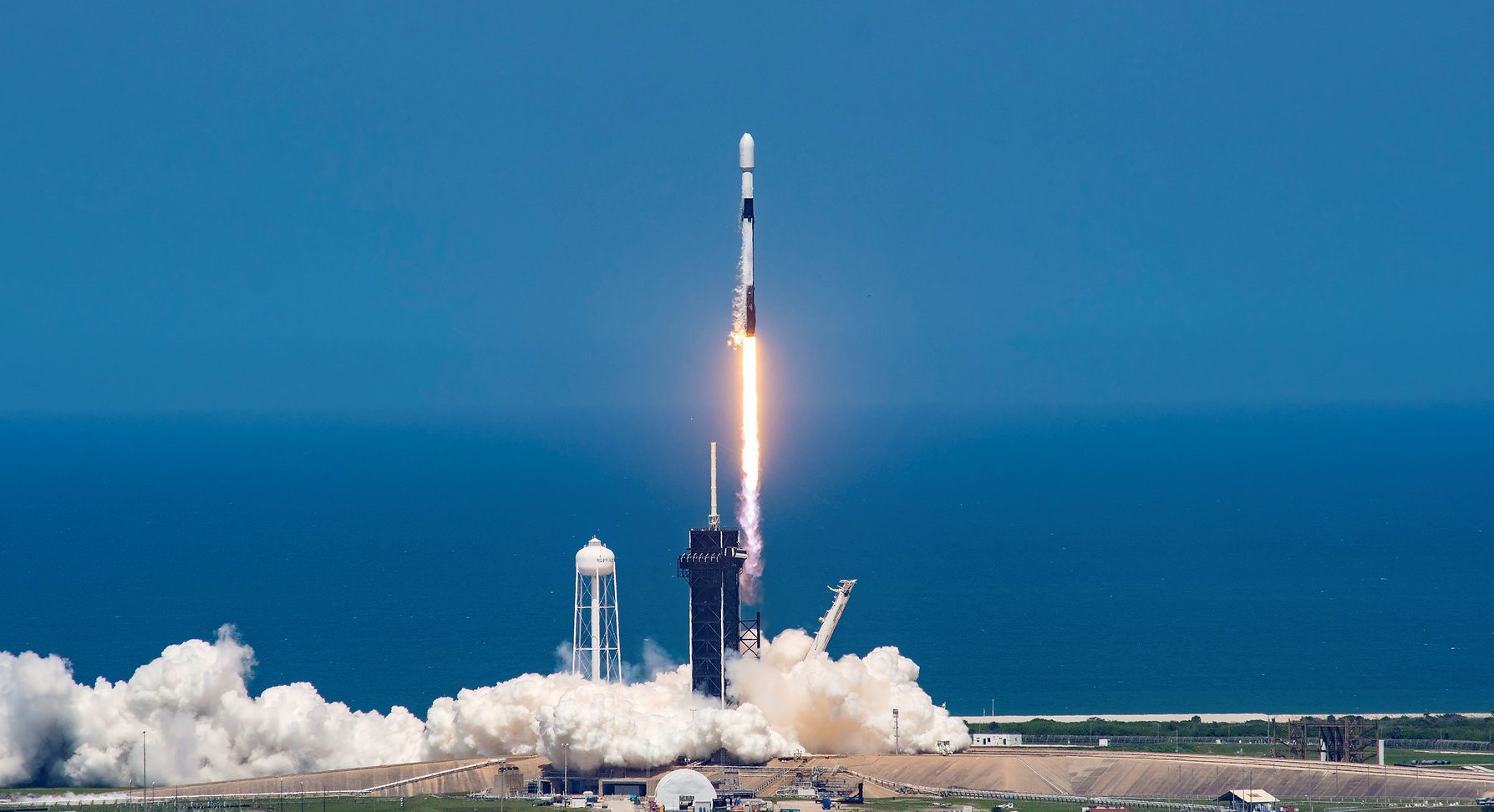
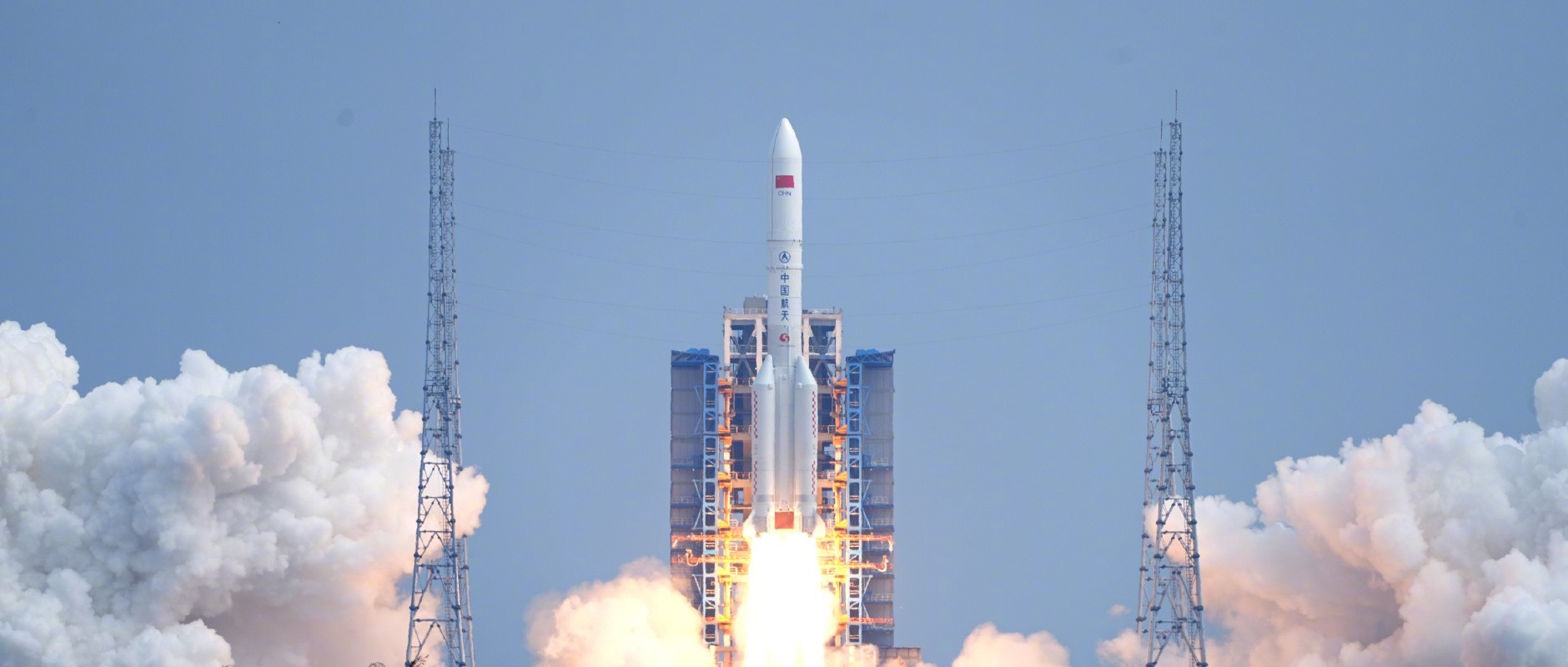
The Falcon 9 Block 5 and the Long March 5 are the backbone heavy-lifters of the world's two most active launch programs. SpaceX's Falcon 9 is the most-flown orbital rocket of the modern era, built around first-stage reusability and a launch cadence no competitor matches. China's Long March 5 is the country's largest operational rocket — an expendable, hydrolox-core vehicle reserved for the missions that matter most: space station modules, lunar and Mars probes.
The design trade-offs are visible in the numbers: the Falcon 9 trades some payload for recovery hardware and propellant margins, while the Long March 5 maximises performance per flight with no reuse. The table below compares them on the metrics that matter, using figures from the Launch Library 2 (TheSpaceDevs) database.
| Metric | ||
|---|---|---|
| LEO Capacity(kg) | 22,800 | 25,000 |
| GTO Capacity(kg) | 8,300 | 14,000 |
| Height(m) | 70 | 57 |
| Diameter(m) | 3.65 | 5 |
| Launch Mass(t) | 549 | 867 |
| Total Launches | 630 | 9 |
| Success Rate | 100% | 100% |
| Landing Success | 99% | — |
| Status | Active | Active |
| Reusable | ♻ Reusable | Expendable |
Head-to-head charts
Payload capacity(metric tons)
Size
Launch record
The short answer
Choose the metric that decides your mission: raw cadence and reuse economics (Falcon 9) or single-flight heavy payload for flagship deep-space missions (Long March 5).
More in US–China Head-to-Head
Data: Launch Library 2 (TheSpaceDevs) — served from the SpaceRocket launch database.