
Zhuque-3’s First Stage Catches Fire and Tips Over After Landing: A Good Start, but the Hard Part Has Just Begun
August 24, 2026
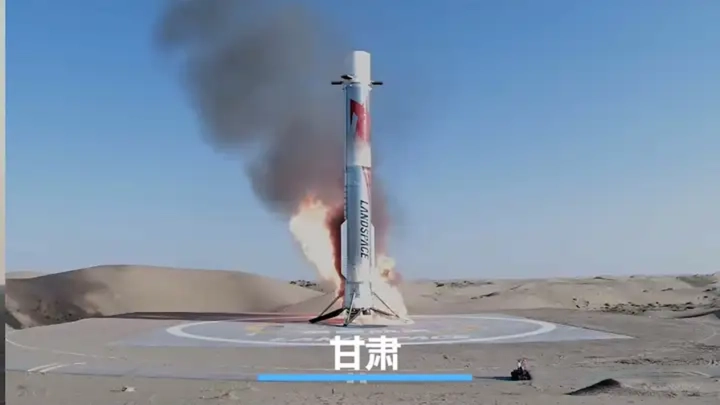
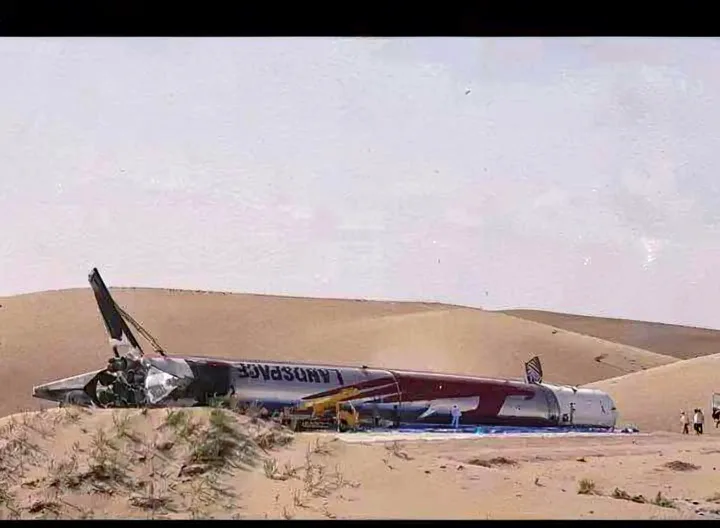
Zhuque-3’s first-stage recovery test ended with the booster catching fire and eventually tipping over after landing.
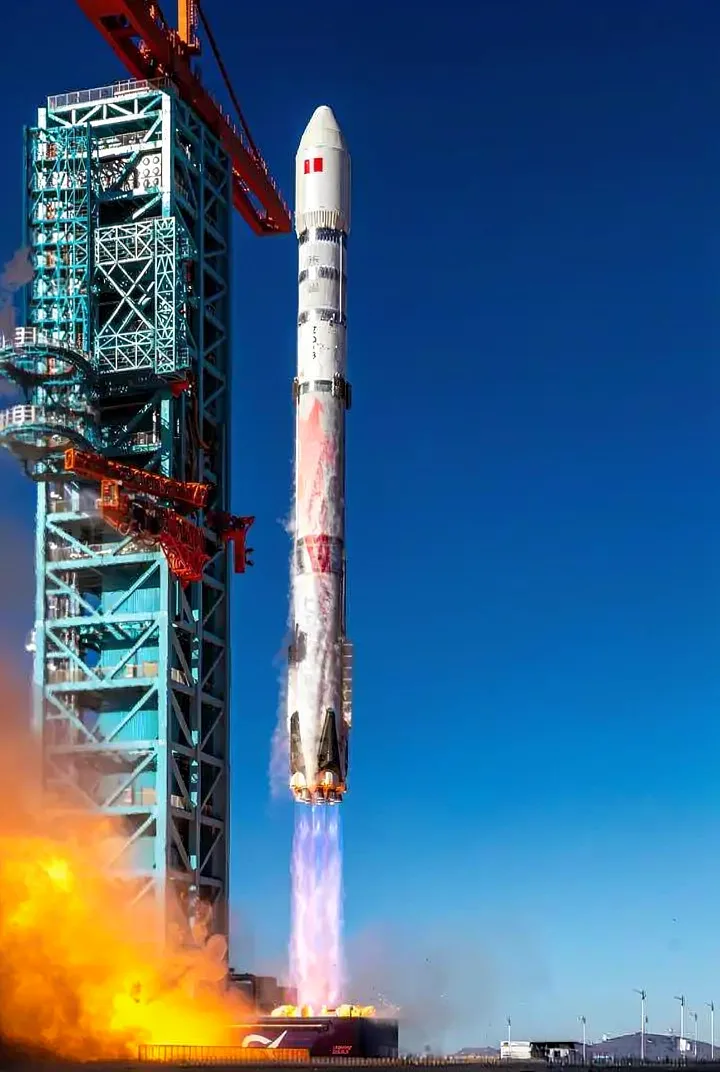
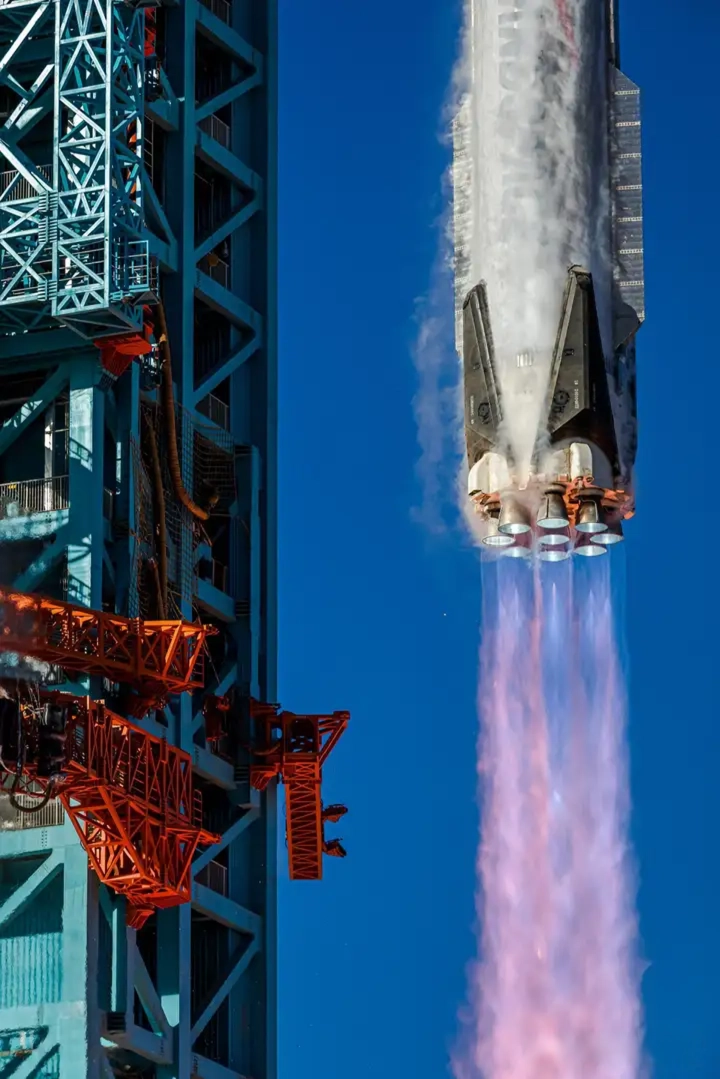
It was certainly a dramatic scene. But looking at the bigger picture, this test is still an important step for China’s reusable rocket program. The most important thing is that Zhuque-3 has now entered the stage of actually testing first-stage recovery — one of the hardest parts of building a truly reusable launch vehicle.
The exact cause of the fire has not been publicly established, so it would be premature to draw firm conclusions. There are, however, several possibilities worth considering.
One possibility is residual propellant or heat in the engine section after landing. The engines, plumbing and surrounding structures can remain extremely hot immediately after touchdown. If there was a propellant leak, a problem in the engine system, or contact between a hot component and something combustible, a fire could potentially start.
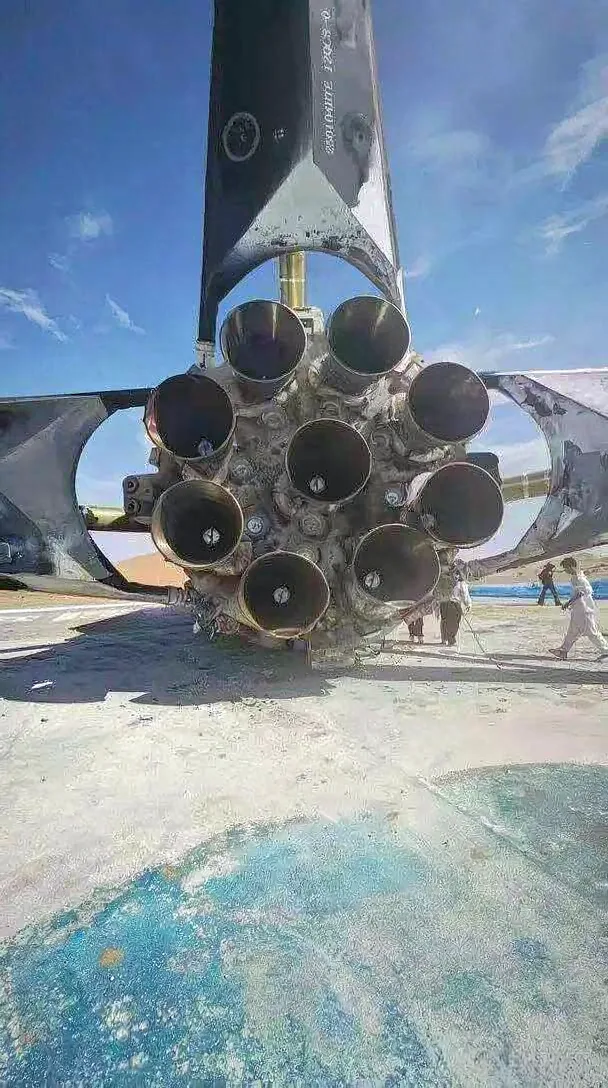
Another issue is post-landing stability.
Landing a rocket and keeping it upright are not necessarily the same problem. Landing legs, ground contact, the rocket’s center of gravity, structural loads and the shutdown sequence can all affect stability. If something goes wrong after touchdown, even a rocket that has technically completed its landing can still end up tipping over.
The use of an unmanned firefighting robot during the response is also interesting. A booster of this size may still contain residual propellant and extremely hot components after landing. Sending people close to it during a fire would obviously carry significant risks. Using robotic equipment for firefighting and emergency response could become an important part of future reusable-rocket operations.
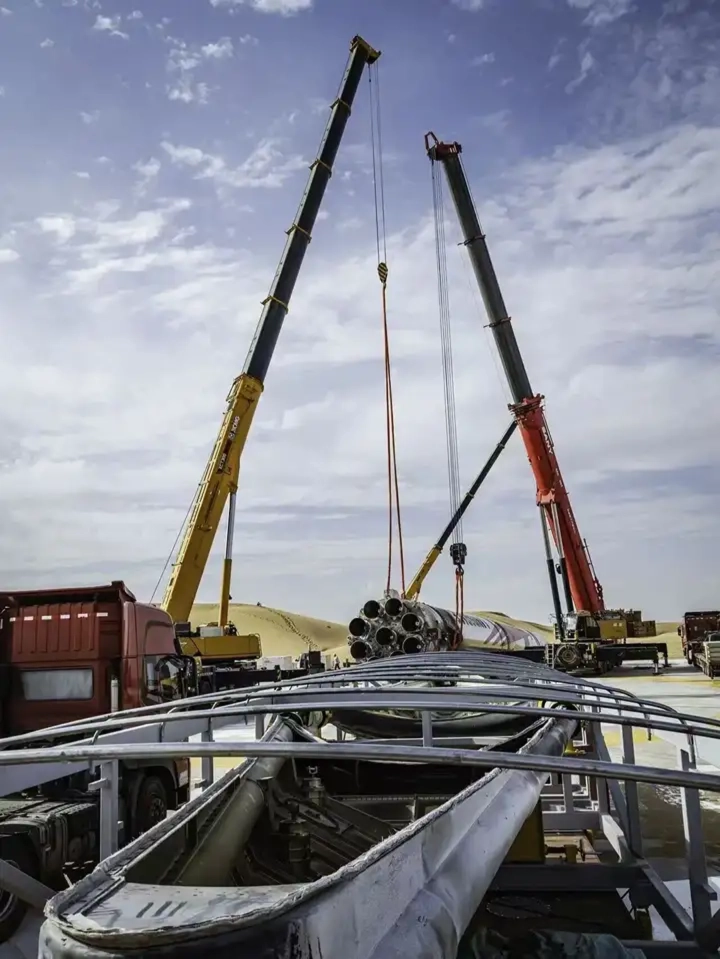
A crane was later used to lift the fallen booster back up. That may look like a relatively mundane detail, but it highlights another part of reusable-rocketry that is easy to overlook: **what happens after something goes wrong?**
A reusable rocket is not simply about landing successfully.
It also needs a system for dealing with failures, extinguishing fires, securing the vehicle, recovering it, inspecting the hardware, repairing or replacing damaged components, and determining whether it can fly again.
This is where the comparison with Falcon 9 becomes particularly important.
SpaceX’s Falcon 9 has now completed hundreds of first-stage recovery operations. What looks almost routine today — launching a booster, landing it, inspecting it and sending it back to space — is the result of years of testing, failures, redesigns and accumulated operational experience.
Zhuque-3, by comparison, has only just completed its first recovery attempt.
So it would be unfair to judge the two systems by the same standard at this point.
The fire and the tip-over are obviously setbacks, but they also provide engineering data that cannot simply be obtained on a computer or in a laboratory. Every failure reveals something about the vehicle, the landing system and the ground operations that can be improved before the next attempt.
The real challenge for Zhuque-3 is not simply to land once.
It is to complete the entire cycle:
**Launch → Landing → Recovery → Inspection → Repair → Reflight → Landing again.**
That is what reusable rocketry is ultimately about.
The first successful landing demonstrates that a rocket can come back.
The much harder question is whether it can come back, be turned around, and fly again — reliably and economically.
Falcon 9 has already accumulated an enormous amount of experience in this area. Zhuque-3 has only taken its first step.
And that is why this test should probably be viewed neither as a triumph nor as a failure, but as the beginning of a much longer journey.
**Landing a rocket once is an achievement. Turning recovery, refurbishment and reflight into a routine operation is the real test.**
For Zhuque-3, the road ahead is still long. But getting started is what matters.