
Saturn V vs N1
The Saturn V and the N1 were the two super heavy-lifters of the 1960s Moon race — one became the most successful large rocket ever flown, the other the most spectacular failure. The Saturn V answered the thrust problem with five enormous, conservatively engineered F-1 engines; the N1 answered it with thirty smaller, technologically advanced NK-15 engines that were never test-fired together before flight.
The record could not be starker: thirteen Saturn V launches, thirteen successful missions; four N1 launches, four losses before first-stage burnout. The table below puts the two Moon rockets side by side.
| Metric | ||
|---|---|---|
| LEO Capacity(kg) | 140,000 | 95,000 |
| GTO Capacity(kg) | — | — |
| Height(m) | 110.6 | 105 |
| Diameter(m) | 10.1 | 17 |
| Launch Mass(t) | 2,970 | 2,750 |
| Total Launches | 13 | 4 |
| Success Rate | 92% | 0% |
| Landing Success | — | — |
| Status | Retired | Retired |
| Reusable | Expendable | Expendable |
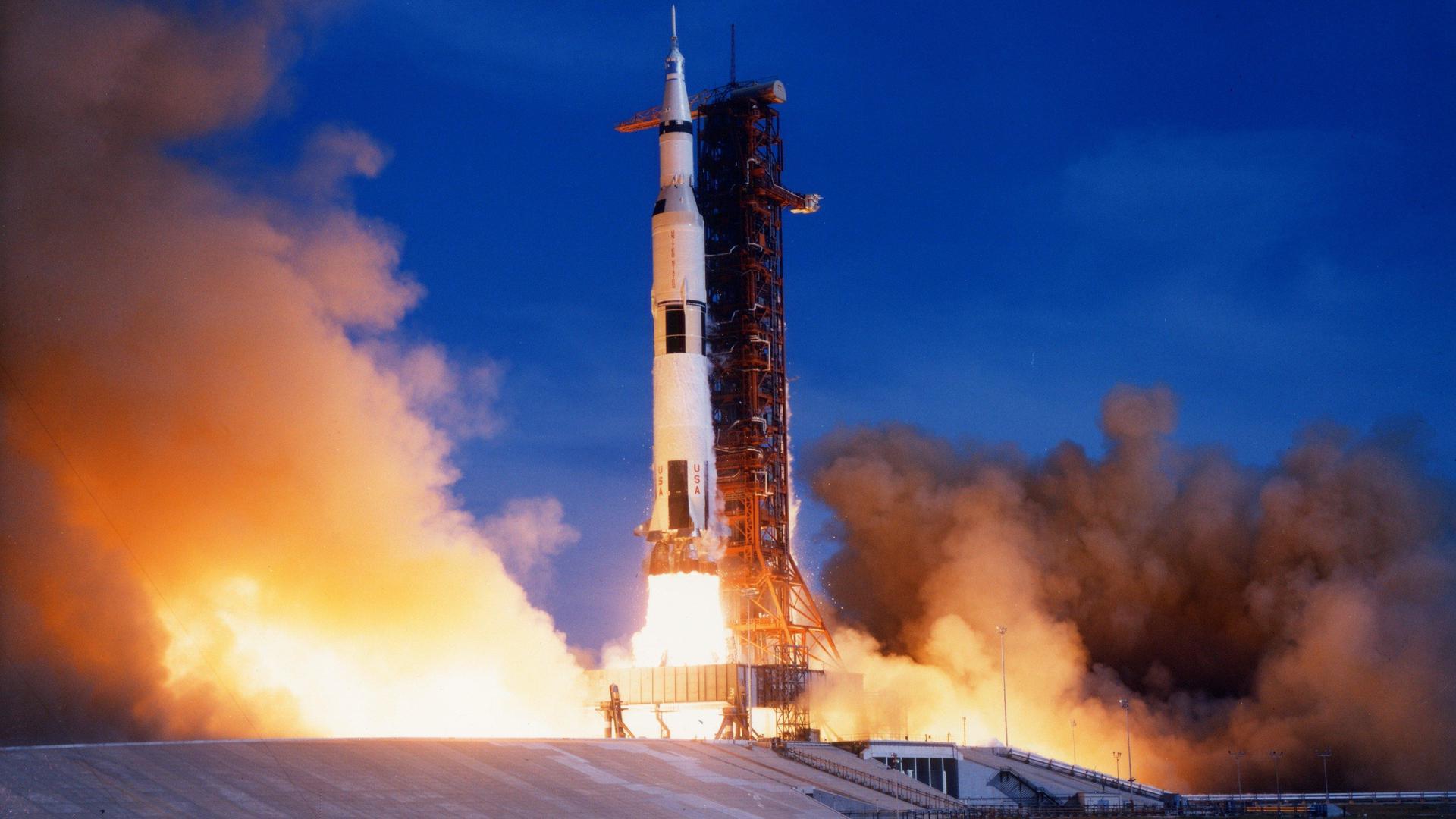
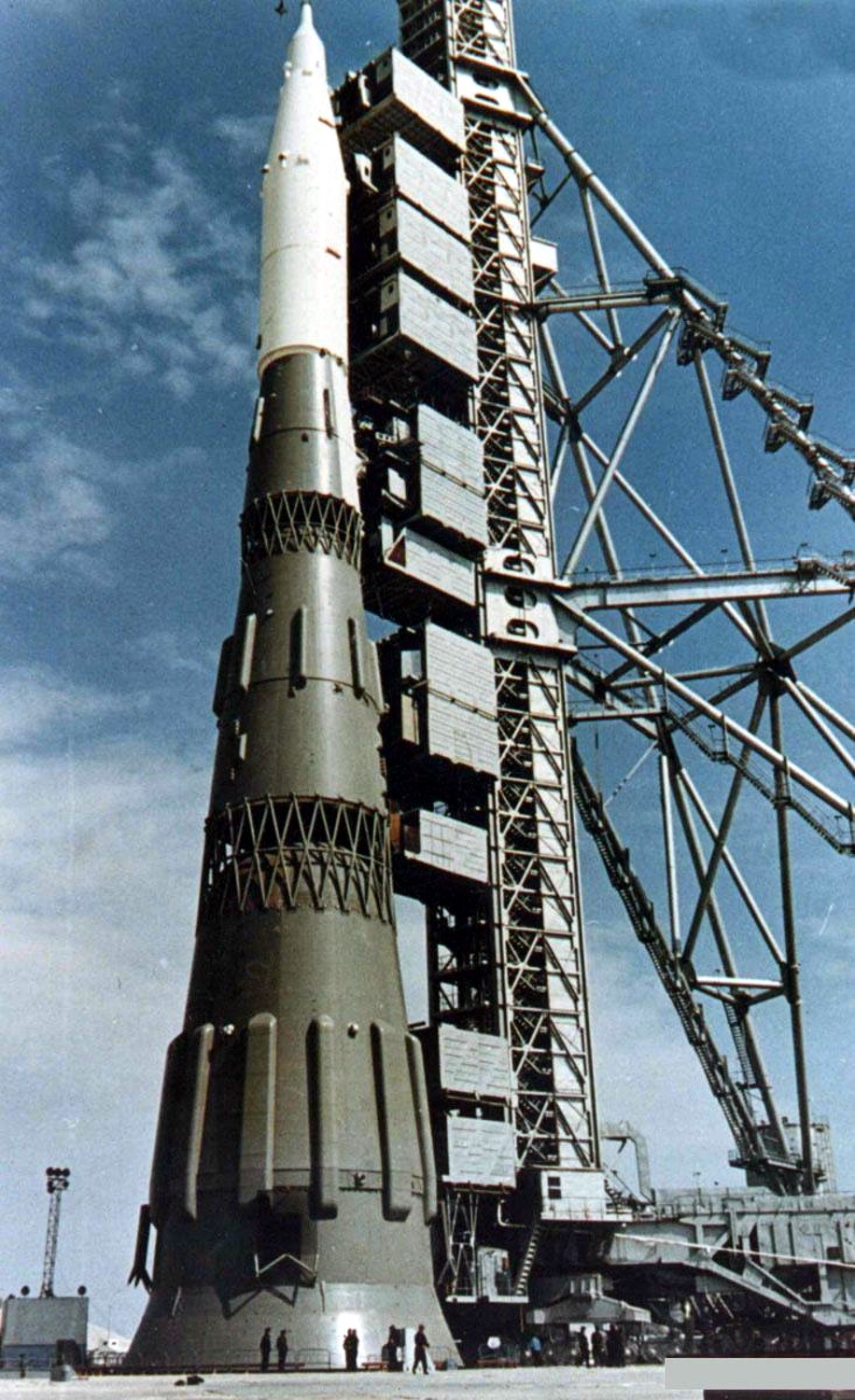
Head-to-head charts
Payload capacity(metric tons)
Size
Launch record
The short answer
The Moon race in one line: conservative integration beat ambitious engine technology. The N1's engines later flew successfully in America — the system around them was what failed.
More in Classics & History
Data: Launch Library 2 (TheSpaceDevs) — served from the SpaceRocket launch database.