
Starship vs Saturn V
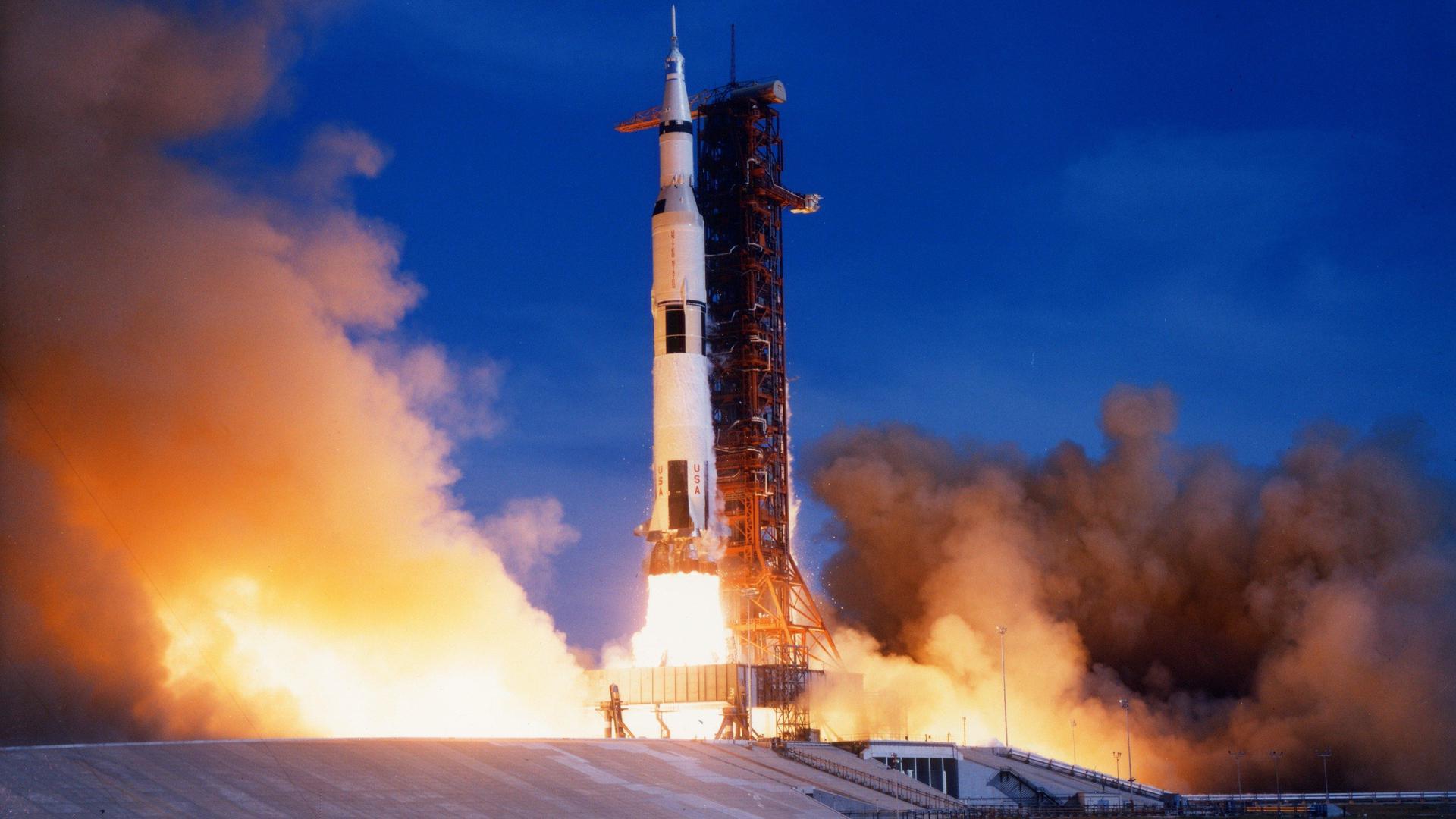
The Saturn V set the super heavy-lift record in 1967; Starship is the first rocket since to exceed it — taller, more than twice the liftoff thrust, and the largest flying object ever launched. But the comparison that matters is not size: it is philosophy. The Saturn V was the pinnacle of expendable engineering, thirteen flights, thirteen successes, every stage discarded. Starship is designed around the opposite premise — full and rapid reuse of both stages, with flight tests that iterate in public, explosions included.
The Saturn V flew humans to the Moon nine times and never lost a crew. Starship, still in its test campaign, has yet to fly an operational mission. The table below contrasts the most successful rocket ever built with the most ambitious one ever attempted.
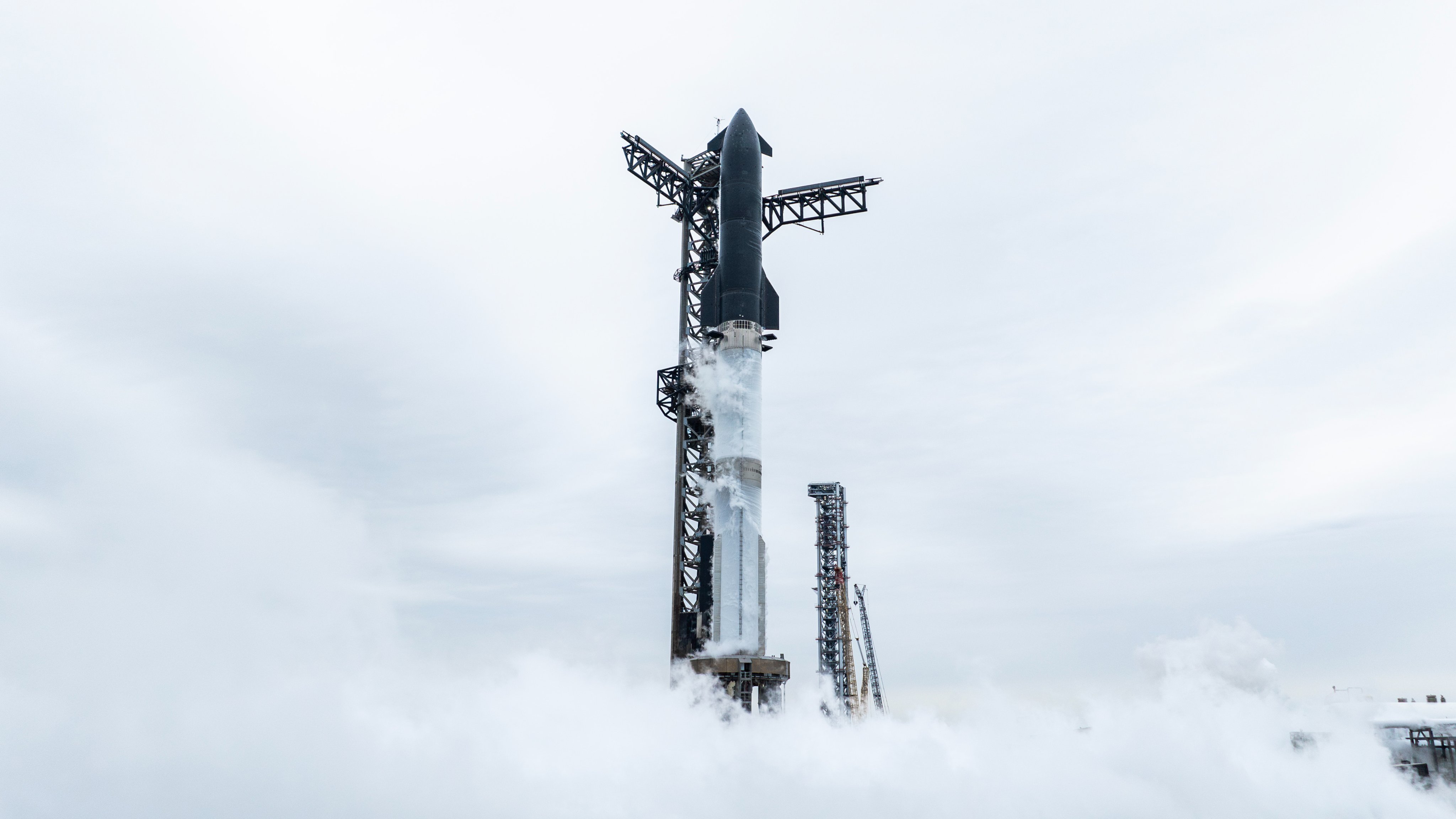


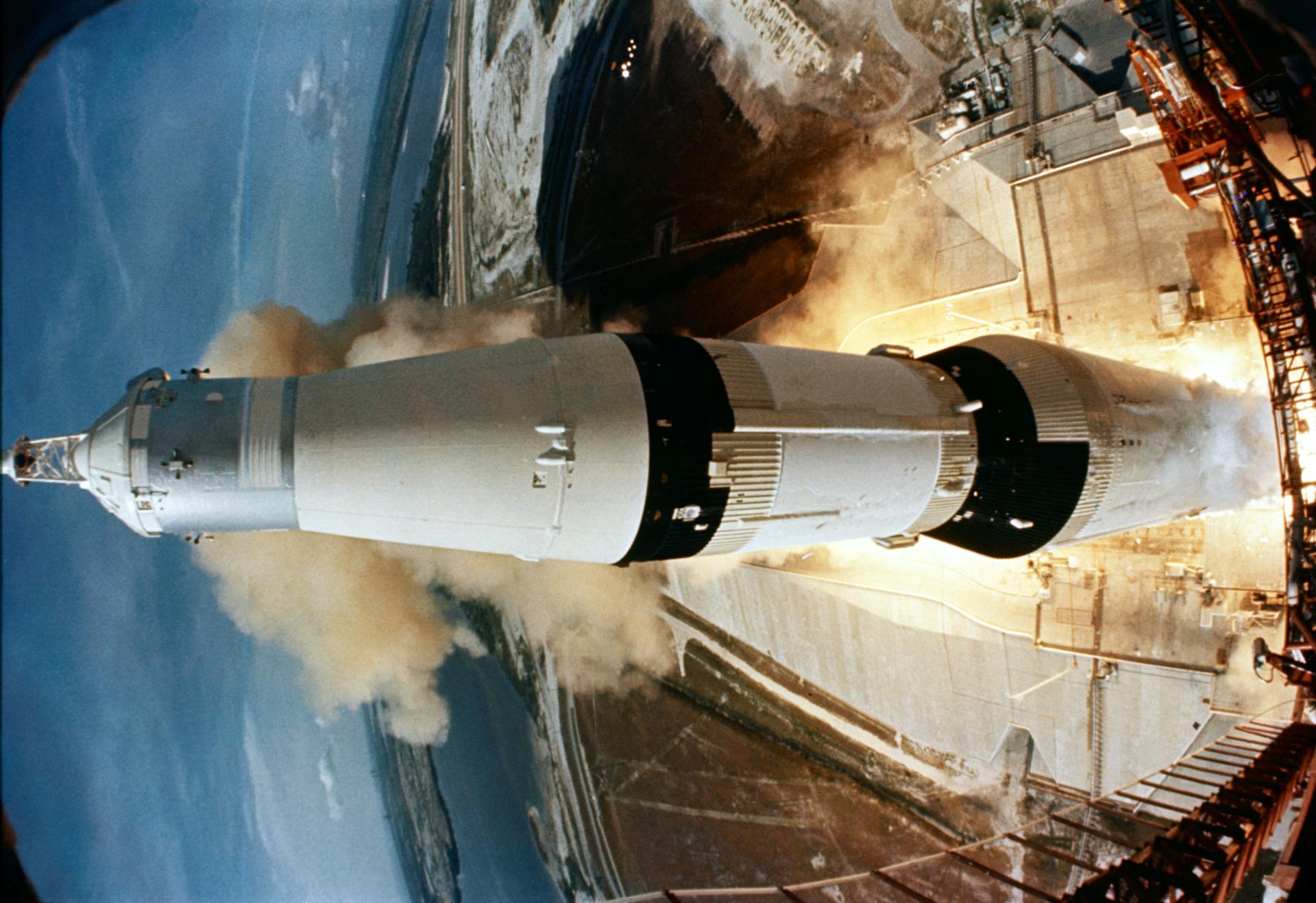
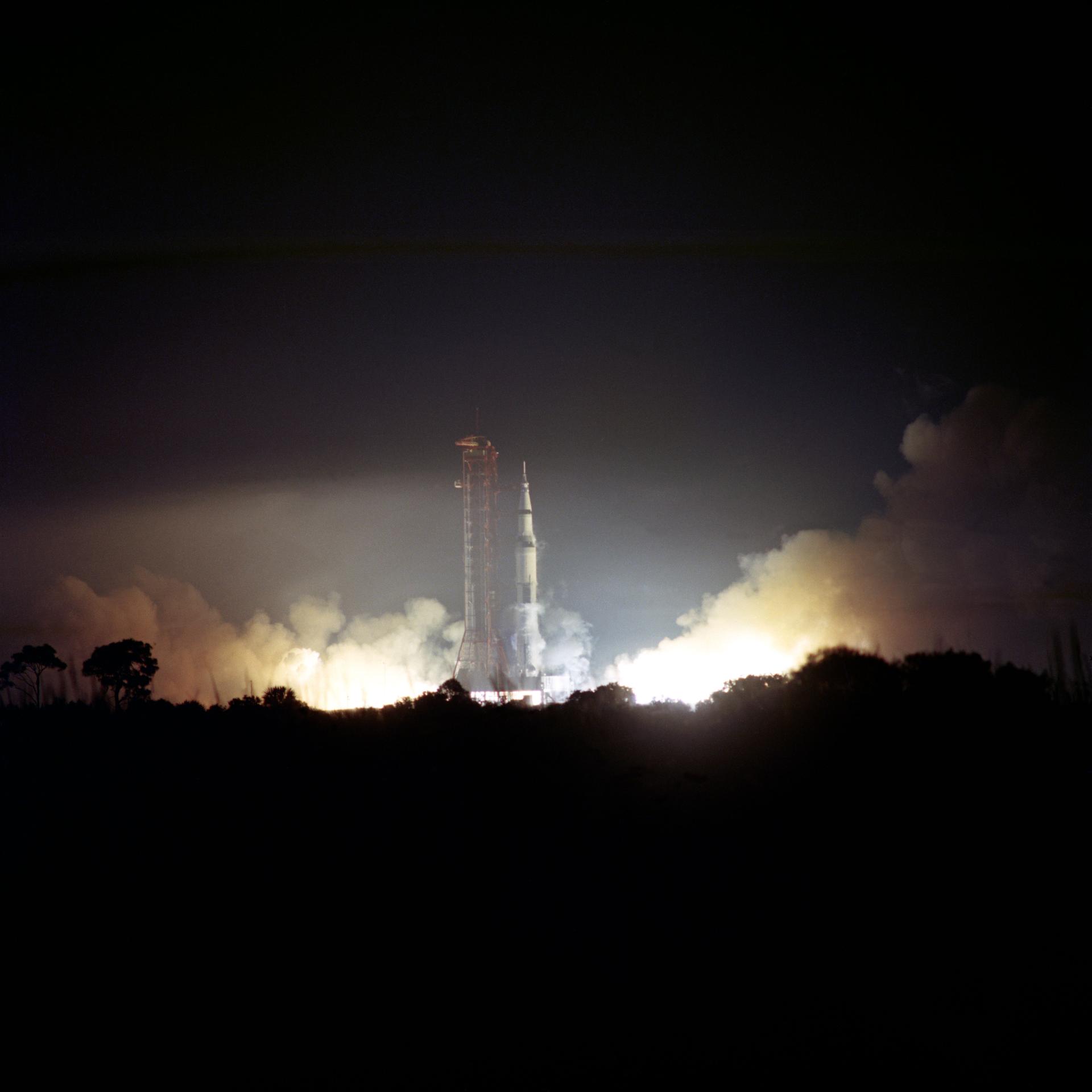
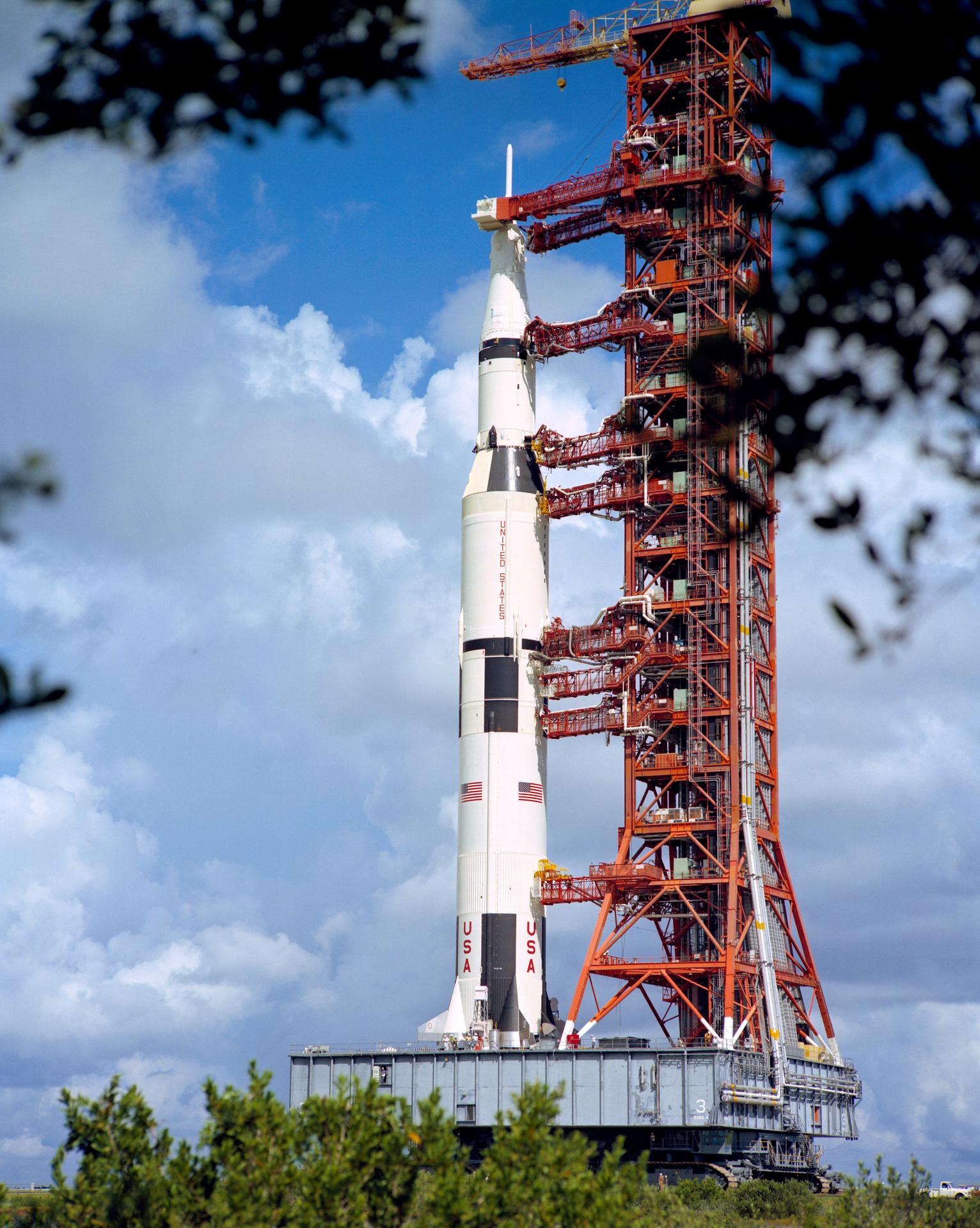
| Metric | ||
|---|---|---|
| LEO Capacity(kg) | 100,000 | 140,000 |
| GTO Capacity(kg) | — | — |
| Height(m) | 124.4 | 110.6 |
| Diameter(m) | 9 | 10.1 |
| Launch Mass(t) | 5,000 | 2,970 |
| Total Launches | 0 | 13 |
| Success Rate | — | 92% |
| Landing Success | — | — |
| Status | Active | Retired |
| Reusable | Expendable | Expendable |
Head-to-head charts
Payload capacity(metric tons)
Size
Launch record
The short answer
The Saturn V proved what perfect expendable engineering achieves; Starship is betting the next half-century on the opposite idea. History's biggest rocket versus its biggest experiment.
More in Classics & History
Data: Launch Library 2 (TheSpaceDevs) — served from the SpaceRocket launch database.