Nebula-1 vs Falcon 9
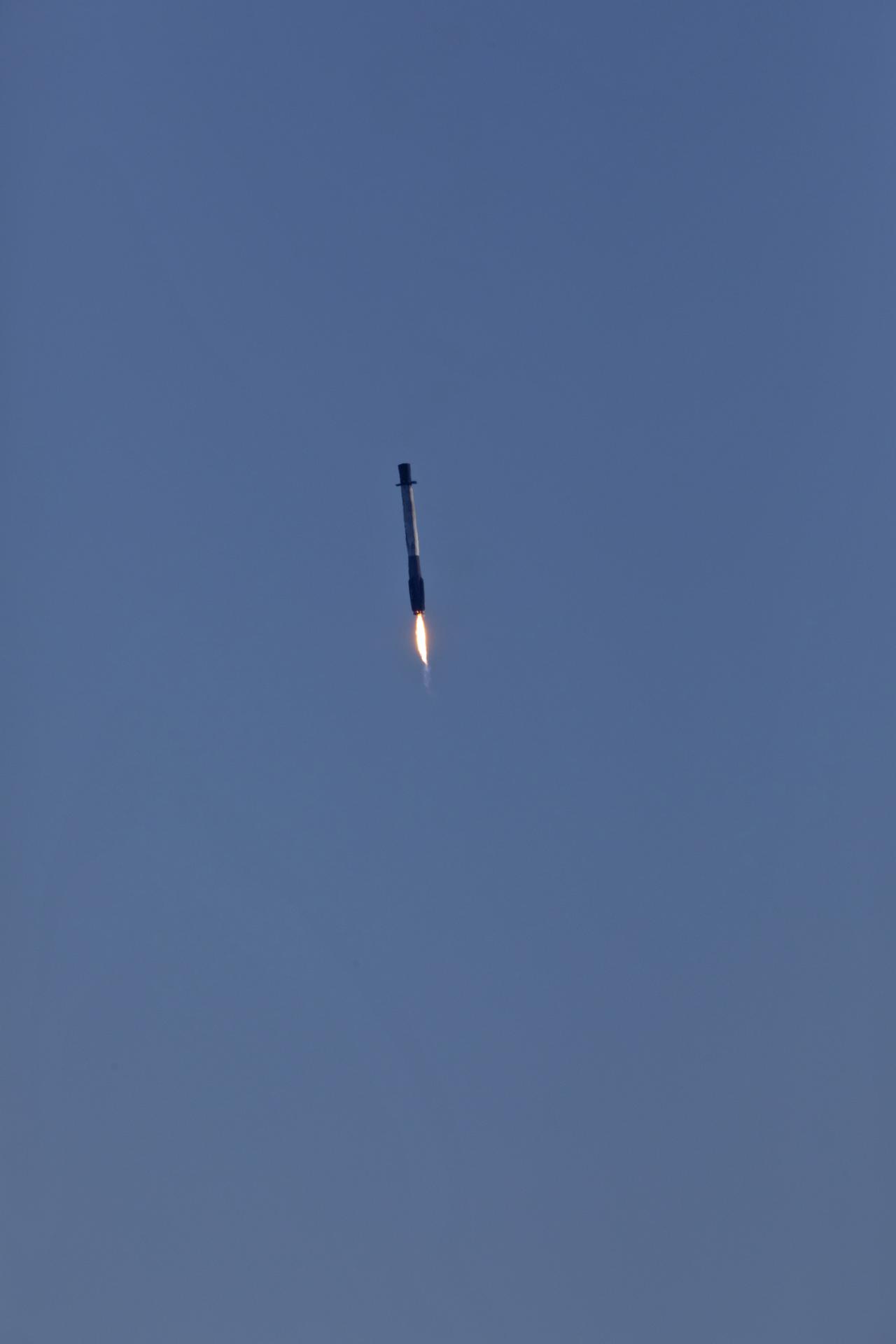
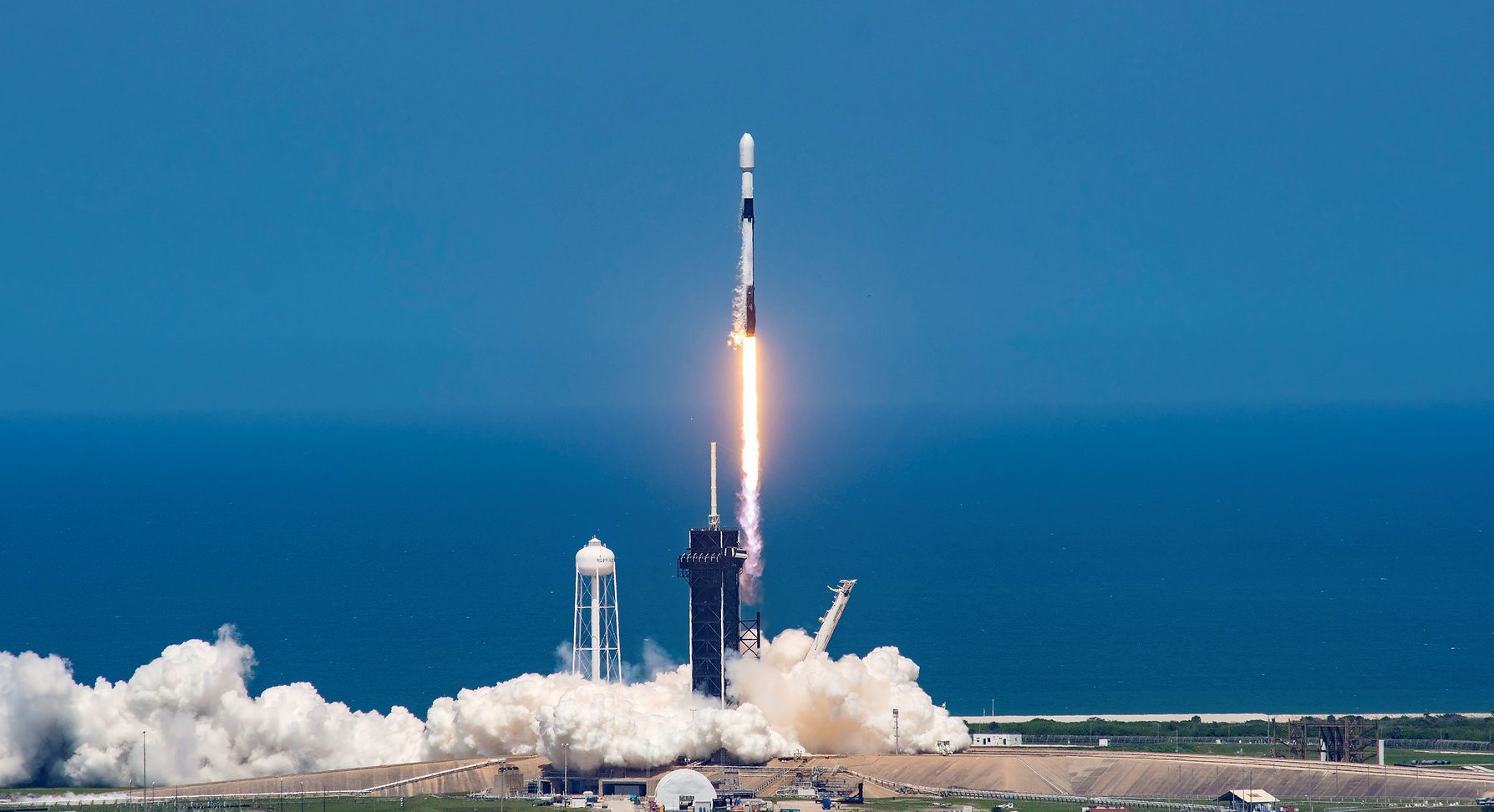
Deep Blue Aerospace's Nebula-1 is a smaller rocket than the Falcon 9, but it is arguably China's most reuse-obsessed program: the company ran vertical takeoff, vertical landing (VTVL) hop tests before attempting orbit, mirroring SpaceX's Grasshopper-era approach of mastering the landing before scaling up. A high-altitude recovery test in 2024 ended with a landing anomaly — data-rich, but a reminder of the difficulty.
Comparing Nebula-1 with the Falcon 9 is less about payload parity than about methodology: the Falcon 9's reuse economics rest on thousands of recovered-stage landings across the fleet, while Nebula-1 is still proving a single stage can come back at all.
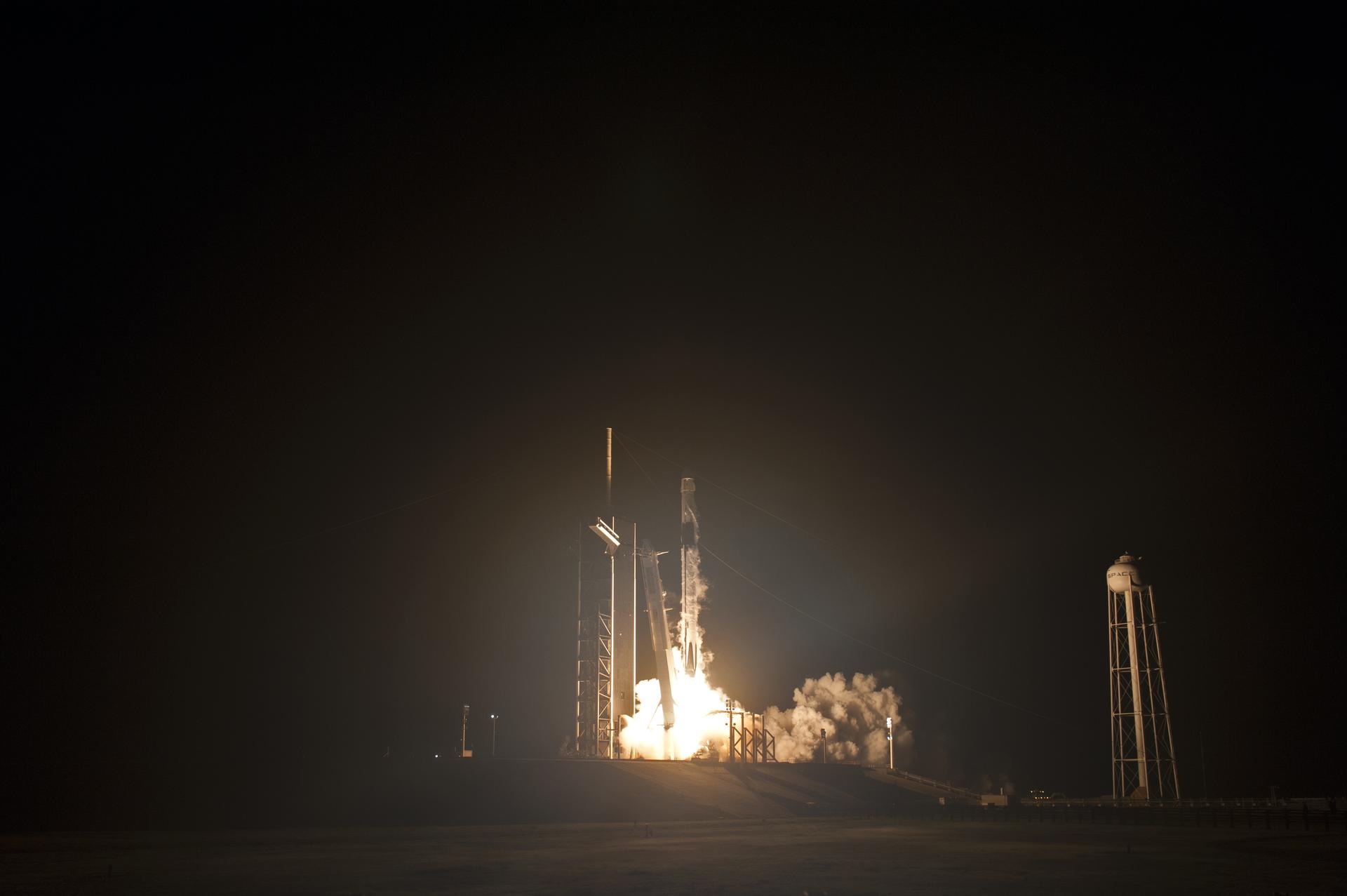
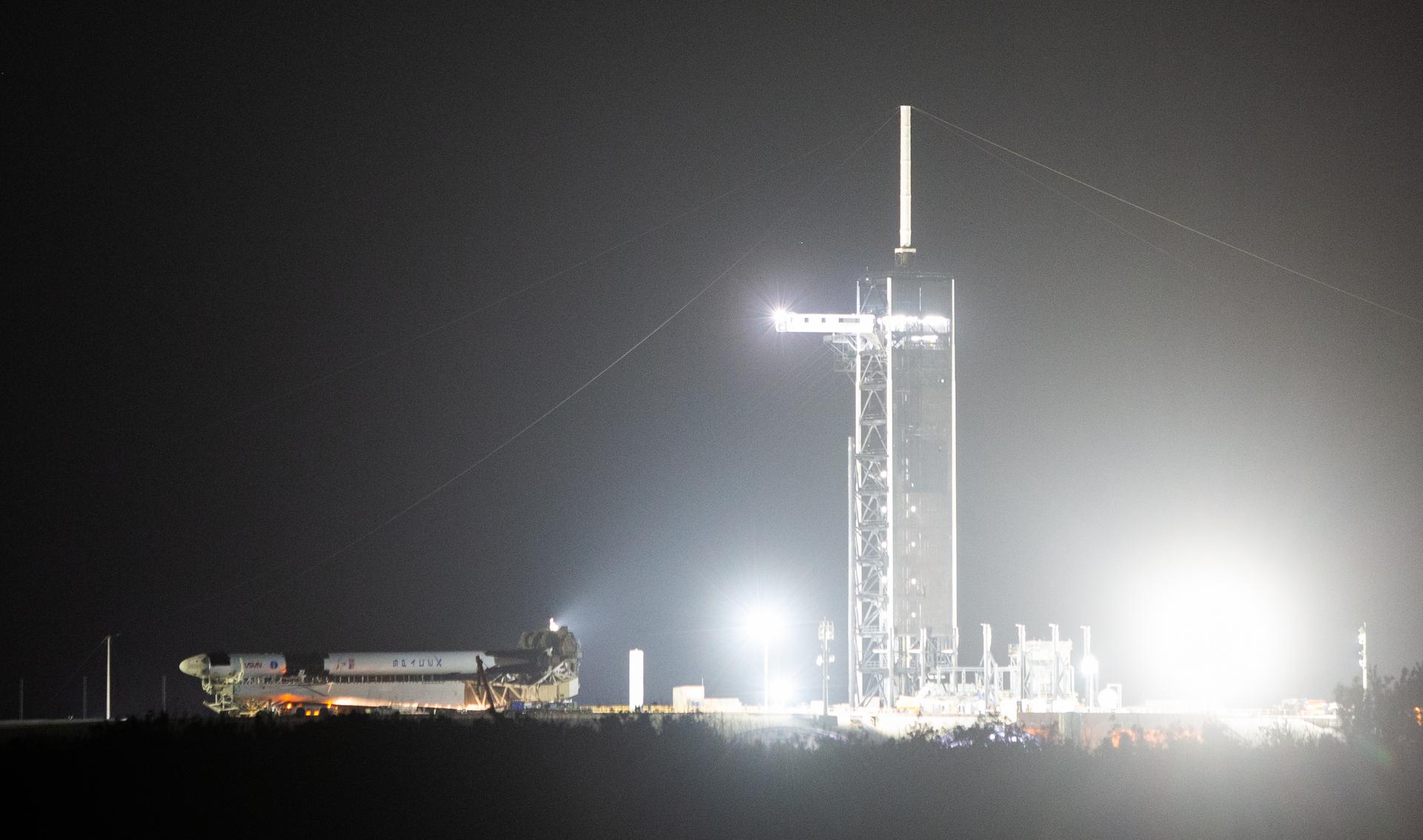


| Metric | ||
|---|---|---|
| LEO Capacity(kg) | 2,000 | 22,800 |
| GTO Capacity(kg) | — | 8,300 |
| Height(m) | 35 | 70 |
| Diameter(m) | 3.35 | 3.65 |
| Launch Mass(t) | 150 | 549 |
| Total Launches | 0 | 630 |
| Success Rate | — | 100% |
| Landing Success | — | 99% |
| Status | Active | Active |
| Reusable | ♻ Reusable | ♻ Reusable |
Head-to-head charts
Payload capacity(metric tons)
Size
Launch record
The short answer
Nebula-1 targets the Falcon 9's reuse discipline rather than its size — a smaller, test-first program whose real comparison metric is landings, not tons to orbit.
More in China's Reusable Challengers vs Falcon 9
Data: Launch Library 2 (TheSpaceDevs) — served from the SpaceRocket launch database.