
Pallas-1 vs Falcon 9
Galactic Energy is China's most commercially proven small-launch startup — its solid-fuelled Ceres-1 has flown more than a dozen times — and Pallas-1 is its step up to a reusable, kerosene-fuelled medium launcher aimed squarely at the constellation-deployment market the Falcon 9 dominates. A first stage designed for propulsive recovery puts it in the same architectural family as every post-Falcon-9 rocket.
The Falcon 9 comparison sets the bar Pallas-1 must clear to matter beyond China: not just reaching orbit, but doing so repeatedly, cheaply, and with a first stage that flies again. Galactic Energy's operational record with Ceres-1 is the strongest evidence in its favor.

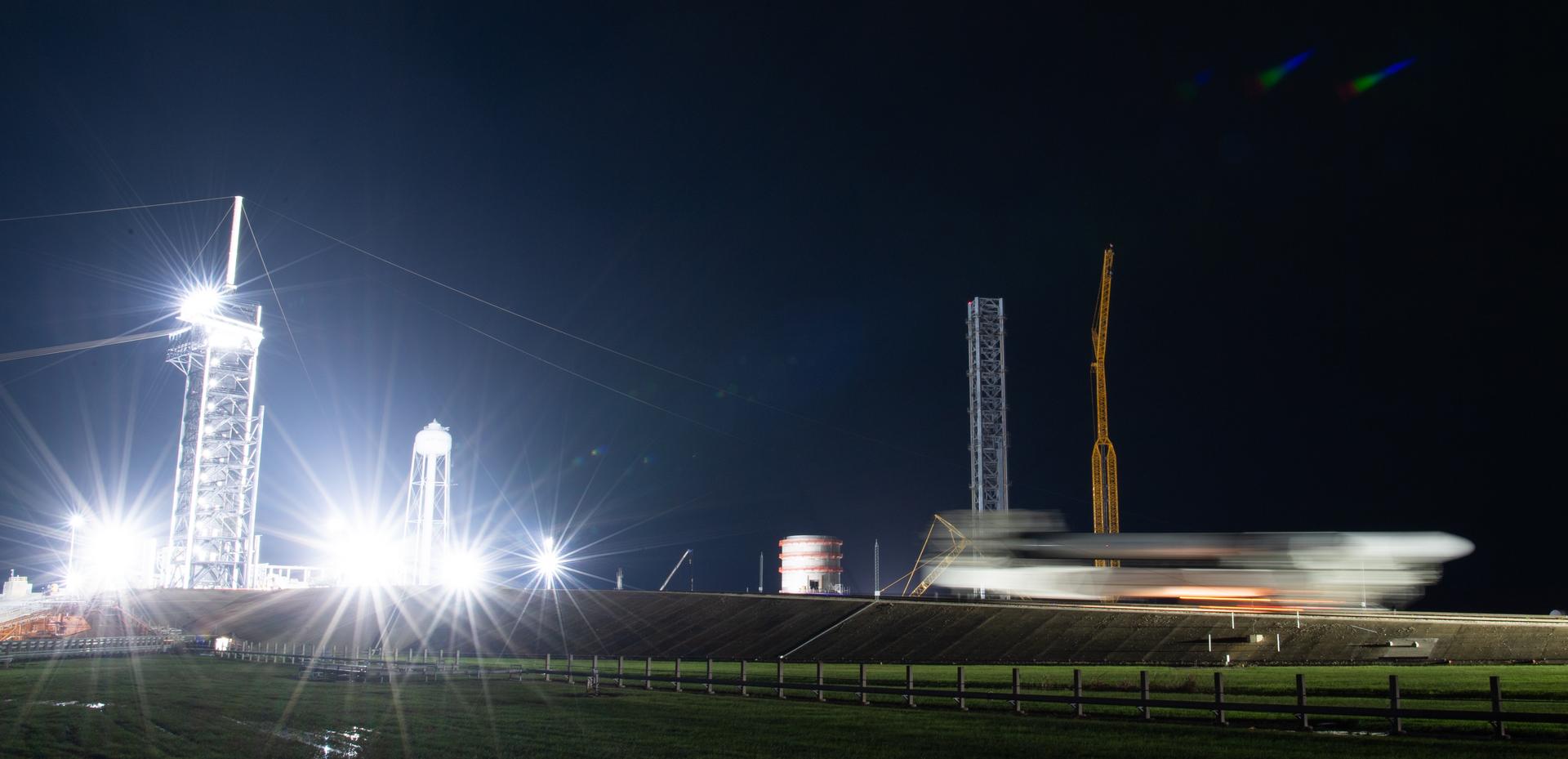
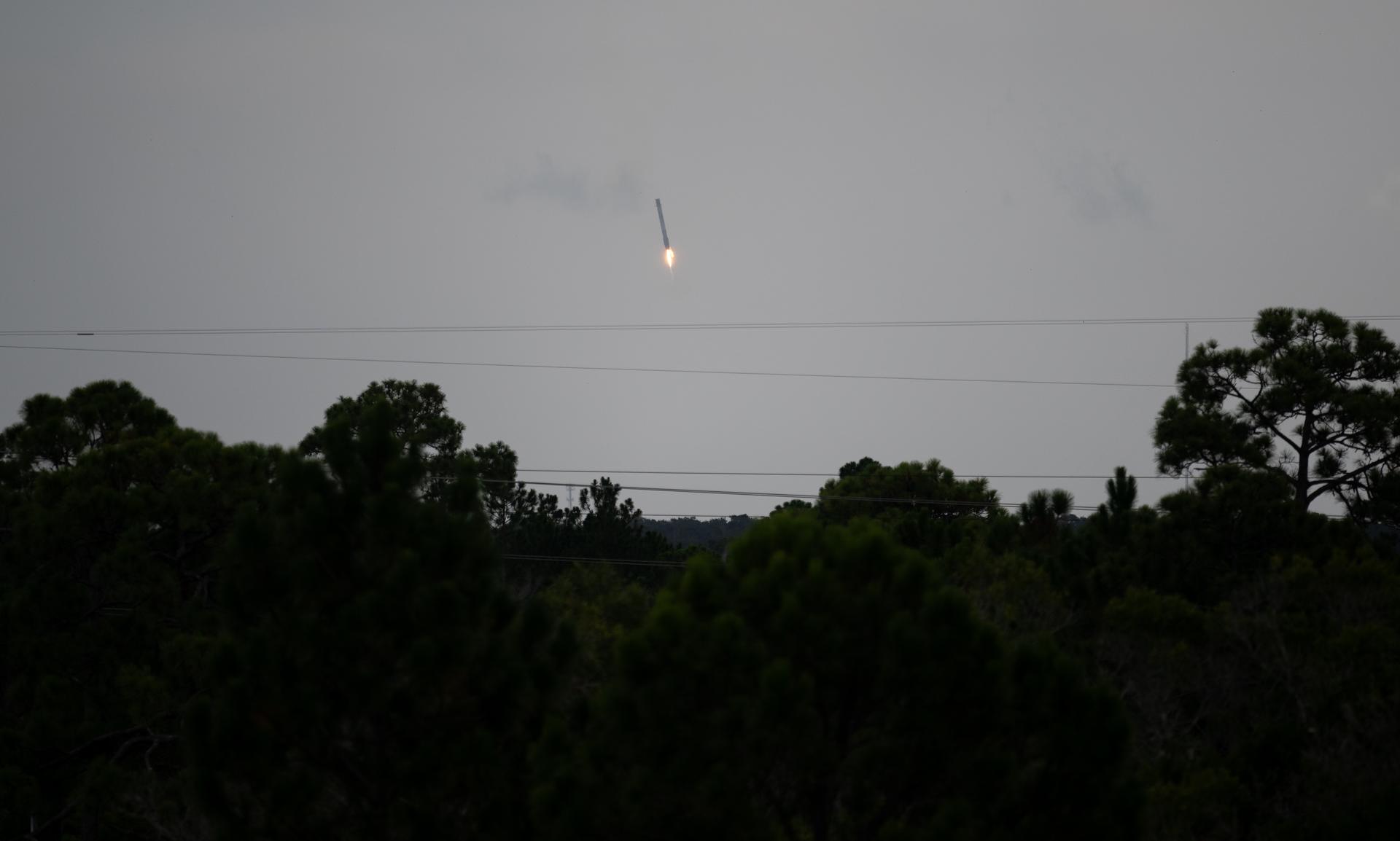


| Metric | ||
|---|---|---|
| LEO Capacity(kg) | 7,000 | 22,800 |
| GTO Capacity(kg) | — | 8,300 |
| Height(m) | 49.6 | 70 |
| Diameter(m) | 3.35 | 3.65 |
| Launch Mass(t) | 283 | 549 |
| Total Launches | 1 | 630 |
| Success Rate | 100% | 100% |
| Landing Success | — | 99% |
| Status | Active | Active |
| Reusable | ♻ Reusable | ♻ Reusable |
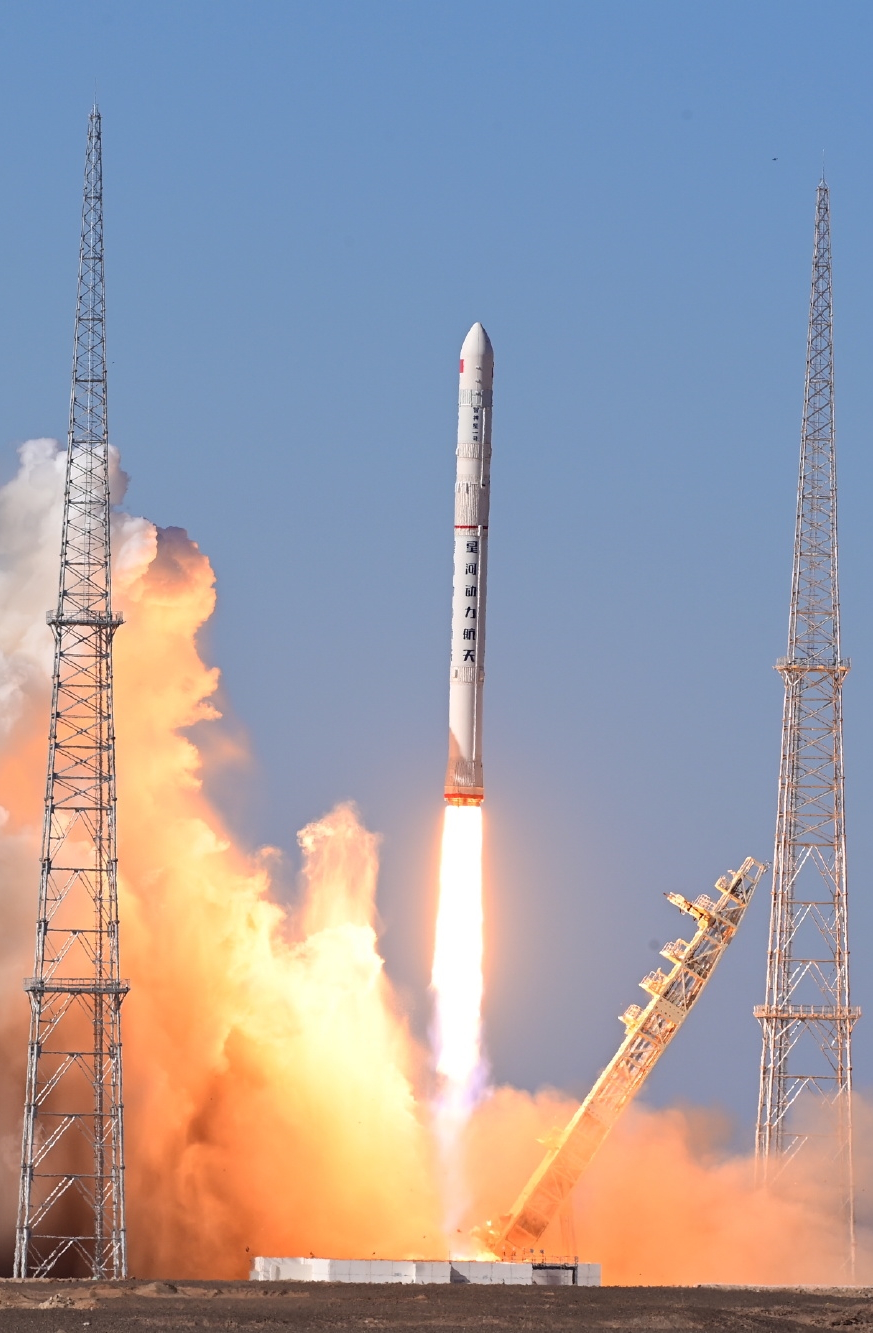
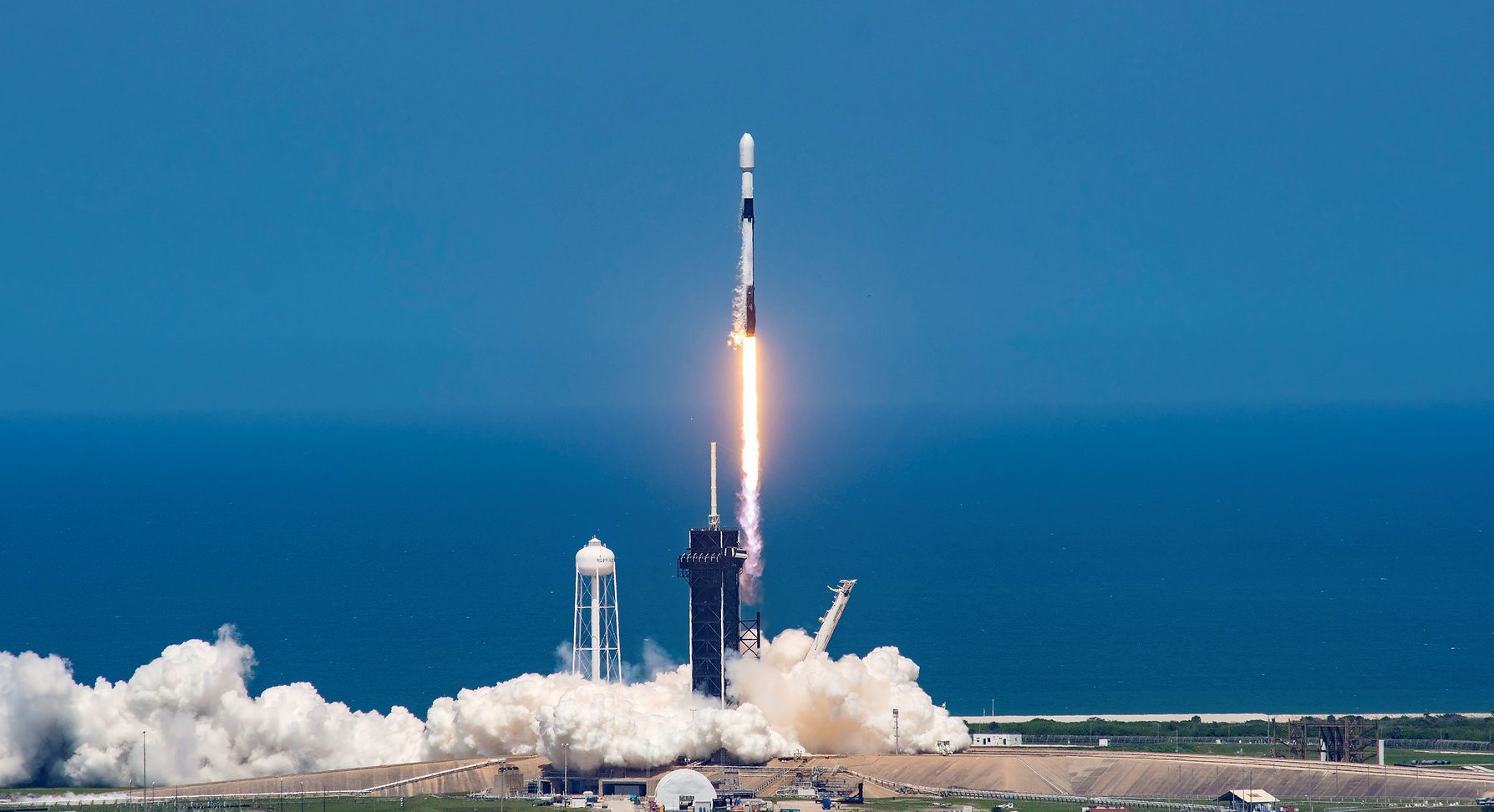
Head-to-head charts
Payload capacity(metric tons)
Size
Launch record
The short answer
Pallas-1 pairs China's most flight-proven commercial startup with the Falcon 9 playbook; watch whether Ceres-1's reliability carries over to a reusable kerolox vehicle.
More in China's Reusable Challengers vs Falcon 9
Data: Launch Library 2 (TheSpaceDevs) — served from the SpaceRocket launch database.