
Tianlong-3 vs Falcon 9
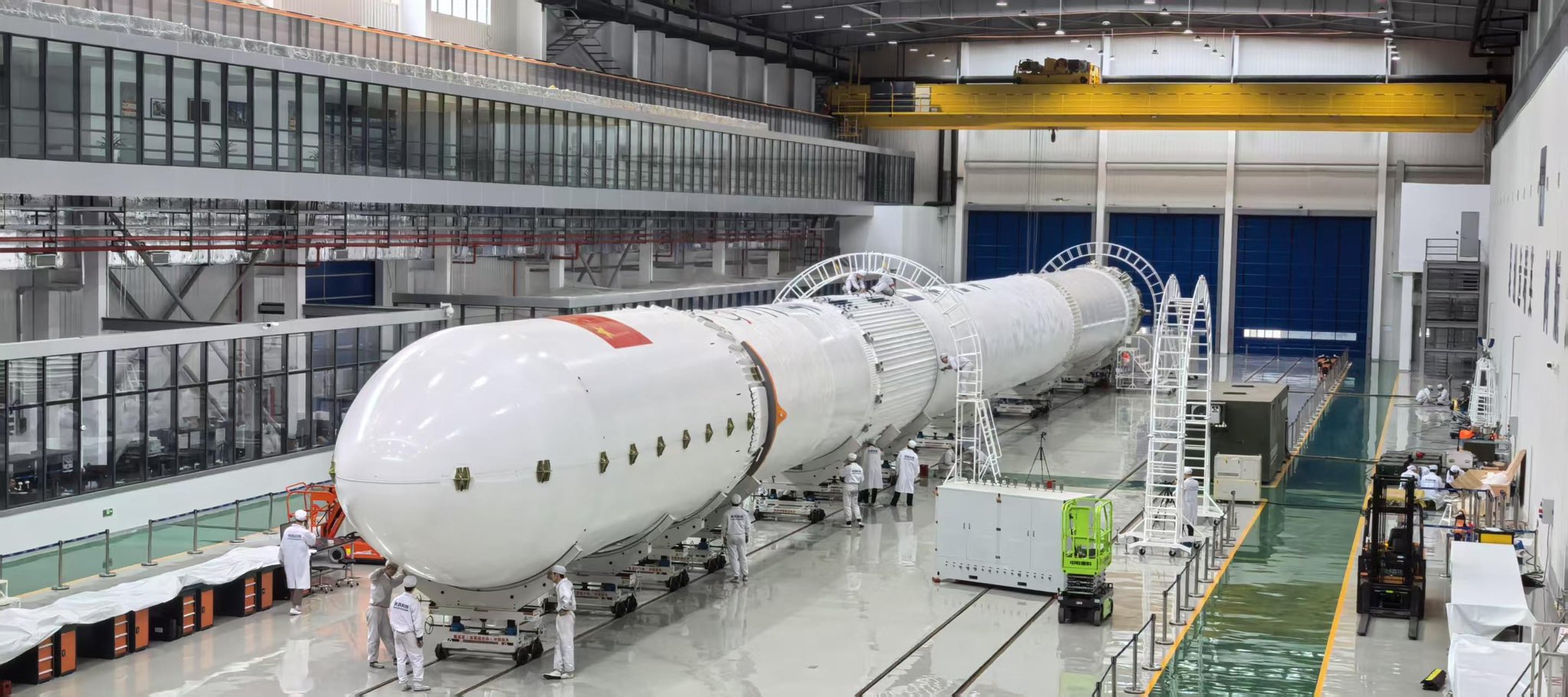
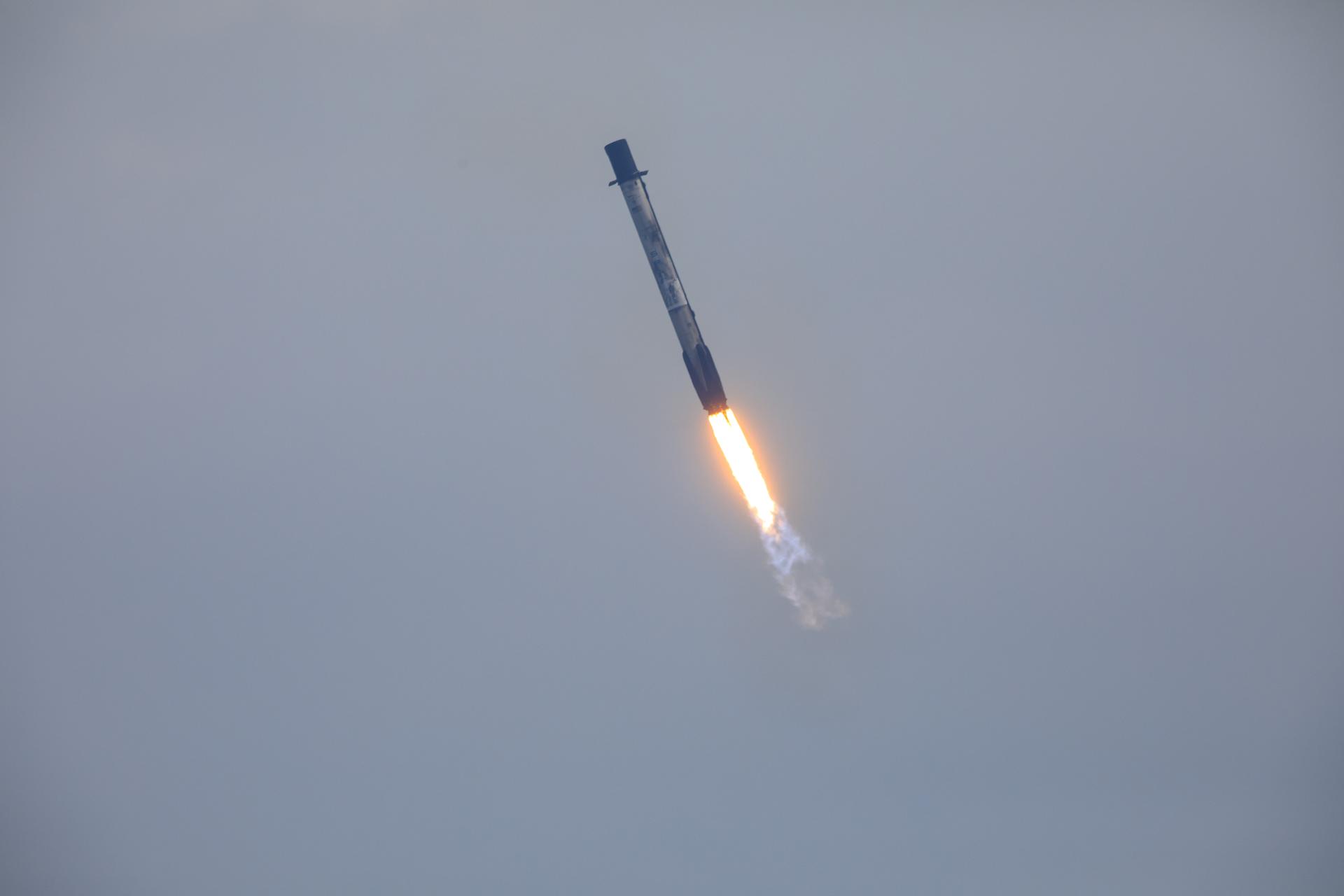
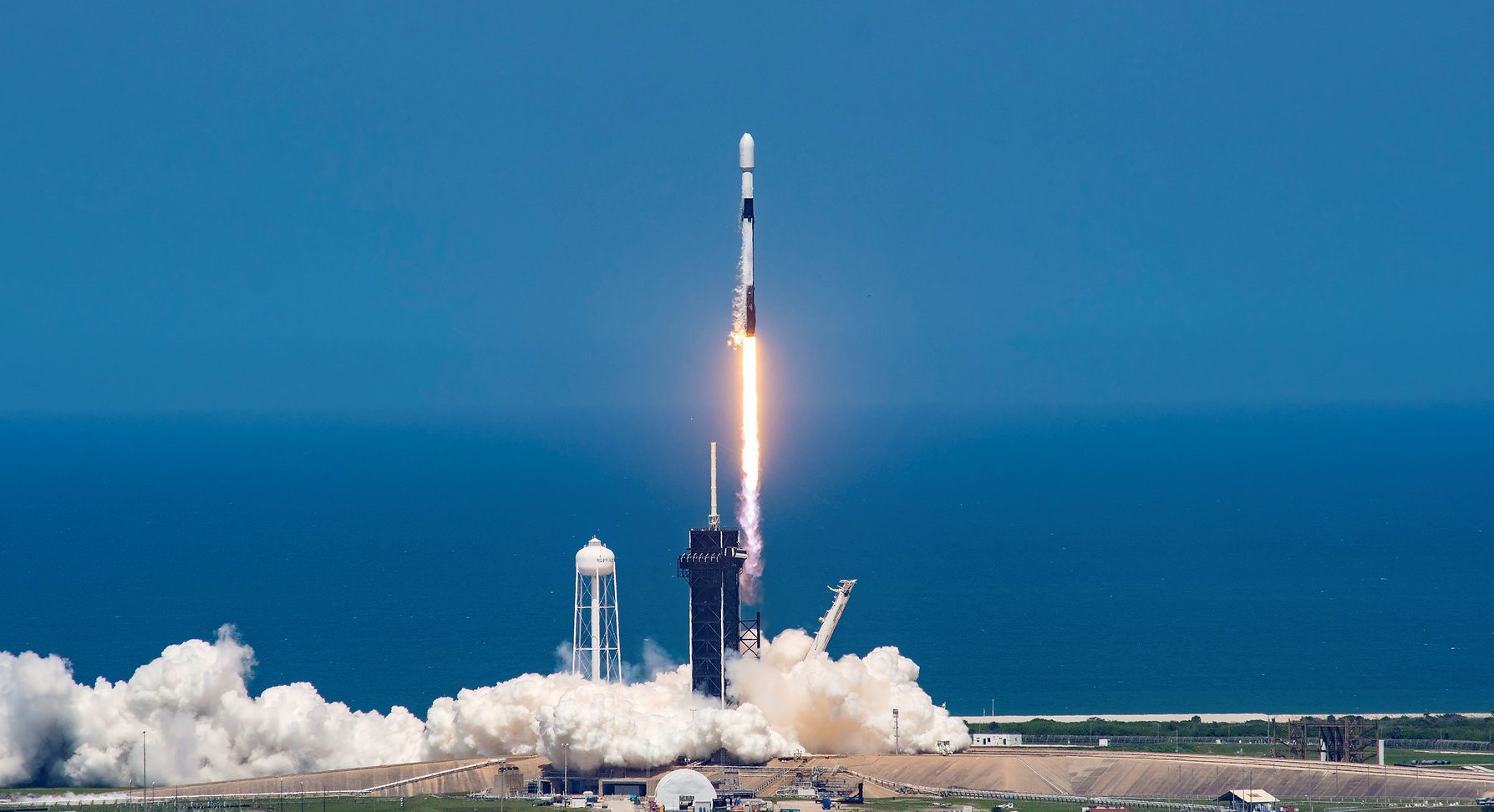
Space Pioneer's Tianlong-3 takes the most direct approach to copying the Falcon 9 formula: a kerosene-fuelled first stage powered by nine engines in the same octaweb-style layout, sized to a similar payload class, and designed for propulsive first-stage recovery. Where LandSpace bet on methane, Space Pioneer bet on the propellant combination the Falcon 9 itself uses.
The program has also shown the risks of moving fast — a 2024 static-fire accident in which a first stage broke loose from its test stand became one of the most publicized mishaps in China's commercial space sector. The Falcon 9 column of the table represents what a decade of iteration on this exact architecture can produce.


| Metric | ||
|---|---|---|
| LEO Capacity(kg) | 17,000 | 22,800 |
| GTO Capacity(kg) | — | 8,300 |
| Height(m) | 72 | 70 |
| Diameter(m) | 3.8 | 3.65 |
| Launch Mass(t) | 600 | 549 |
| Total Launches | 1 | 630 |
| Success Rate | 0% | 100% |
| Landing Success | — | 99% |
| Status | Active | Active |
| Reusable | ♻ Reusable | ♻ Reusable |
Head-to-head charts
Payload capacity(metric tons)
Size
Launch record
The short answer
Tianlong-3 is the closest structural clone of the Falcon 9 outside the United States; its success depends on turning a turbulent test campaign into routine, repeatable recovery.
More in China's Reusable Challengers vs Falcon 9
Data: Launch Library 2 (TheSpaceDevs) — served from the SpaceRocket launch database.